South African Botanical Gardens Offer Families a Way to Learn About Nature Through Play
Read more
Getaway
getaway.co.za

South African Botanical Gardens Offer Families a Way to Learn About Nature Through Play

South African botanical gardens provide families with an opportunity to replace gadgets with walks along shaded paths, playgrounds, picnic lawns, and small discoveries in the natural world.

These gardens are not just beautifully landscaped spaces filled with plants; they can become a place where children run along winding paths, watch birds, discover unfamiliar flowers, play outdoors, and learn about nature as if it were an adventure rather than a lesson.

From specialized children's play gardens in Pretoria to the historic green spaces of Claremont and waterfall trails in Mpumalanga—these green areas give families a chance to spend time together outdoors. Whether you are planning a picnic, a leisurely stroll, or a day of exploration, below are botanical gardens worth adding to your family outing list.

In Claremont, along Main Road, is Adderley Gardens—a historic green space offering a quieter alternative to some of Cape Town's well-known outdoor recreation spots. This five-hectare garden features an impressive collection of trees and shrubs, shaded avenues, water features, and lawns where families can slow down and enjoy a day in the fresh air.

Children can explore the garden's winding paths, look for birds and other inhabitants, and admire large trees, including the famous Moreton Bay fig. Japanese ponds and shady groves create many opportunities for curious youngsters to discover something new.

Adderley Gardens has long been a favorite meeting spot for local families, and its moderate size makes it an attractive option for a relaxed walk without the need for a long hike. It has benches, public toilets, and pedestrian paths, and its central location in Claremont allows for easy combination with other activities in the Southern suburbs.

Entry is free. The garden is located at 222 Main Road, Claremont. Opening hours vary depending on the season.

For families seeking outdoor recreation in Cape Town that isn't necessarily tied to the city's main tourist attractions, Western Gardens in Mitchells Plain deserve attention. Spanning 14 hectares, this garden includes Cape local flora, winding paths, open lawns, and a playground equipped for children with disabilities. The park also has a skate ramp, making it a popular spot for local children and youth.

Families can have a picnic on the lawns, walk the paths, or spend time studying the garden's vegetation. The playgrounds are particularly appealing to families with young children who need more than just a quiet walk to be entertained.

Western Gardens also hosts community events and family entertainment programs throughout the year, contributing to its role as a neighborhood gathering place, not just a place to admire plants. The garden is located on Morgenster Road in Mitchells Plain and is equipped with parking, public toilets, paths, and grassy areas suitable for picnics.

Kirstenbosch National Botanical Garden remains one of Cape Town's most famous attractions, but families can visit it in a way that makes the garden especially appealing to children. Instead of just wandering between plant collections, visitors can turn the trip into an exploration of the garden's various landscapes. Expansive lawns are perfect for a picnic or a game of tag, and the garden paths offer opportunities to observe birds, insects, and local plants.

One of the garden's most memorable features is the Boomslang suspension bridge, which carries visitors through the tree canopy and offers views of the garden and surrounding mountains. Children who love being outdoors will also appreciate the garden's varied terrain and the ability to explore at their own pace.

Kirstenbosch is a good option for families who want to combine a peaceful day in nature with small discoveries. Bring a picnic, comfortable walking shoes, and enough time to explore without rushing from one attraction to another.

Located between the mountains and the coast in Betty's Bay, Harold Porter National Botanical Garden offers families a chance to explore the diverse landscapes of the Cape Fynbos region. The garden paths wind through fynbos, forest, and streams, with the mountain scenery providing a dramatic backdrop. Children can observe birds, insects, and interesting plant species while exploring the quieter trails.

For families who enjoy small adventures, the garden also has trails leading to waterfalls and gorges. Not all trails are suitable for very young children, so choosing a shorter route and checking trail conditions before visiting will make the experience more enjoyable. Harold Porter is particularly appealing to families looking to introduce children to the local flora and biodiversity of South Africa without venturing into remote wilderness.

The Pretoria National Botanical Garden has a particularly compelling reason for families to visit: its Children's Educational and Recreational Garden, which combines play elements with opportunities for learning and development through outdoor activities. The play area includes swings, slides, a climbing wall, labyrinths, and puzzles. It also incorporates local games such as morabaraba and diketo, introducing children to traditional games while encouraging movement, problem-solving, and interaction.

The space, designed with toddlers and young children in mind, makes learning through play part of the experience. The wider landscape of the garden also offers families walking trails, picnic spots, and opportunities to enjoy the surrounding nature. Parents can make it a whole day out, allowing children time in the special play area before exploring the garden or having a picnic on the lawns.

The Children's Educational and Recreational Garden opened in December 2024. The Department of Forestry, Fisheries and the Environment also notes the presence of adjacent picnic lawns and other visitor amenities. Visitors should check the current entrance fee before visiting.

Walter Sisulu National Botanical Garden gives families a chance to experience diverse natural landscapes without traveling far from Johannesburg. The garden is known for its impressive waterfall, picturesque walking routes, local vegetation, and birds. Children can spend time watching birds, exploring different parts of the garden, and enjoying the open spaces while parents take in the scenery.

The garden's walking trails vary in length and character, allowing families to choose a more leisurely stroll or a longer journey depending on their children's age and energy levels. The waterfall is a particularly memorable feature and serves as a natural focal point for a family visit. With picnic areas and numerous places to explore, Walter Sisulu is a good option for families wanting to spend a day in nature.

The Durban Botanical Gardens are one of the city's long-standing green spaces and offer a family outing that combines botanical discovery with outdoor relaxation. The established trees, lawns, and plant collections provide plenty of room for children to explore, while its orchid collection and other specialized exhibits offer opportunities to introduce young visitors to the diversity of the plant world. Families can stroll through the garden, observe the surrounding landscape, or have a picnic. The garden's tranquil atmosphere offers a pleasant break from Durban's busier city attractions. The combination of open spaces, botanical exhibits, and established paths makes it a suitable choice for families seeking a relatively calm outdoor retreat.

The Lowveld National Botanical Garden offers a different kind of botanical experience, shaped by the Crocodile and Nelson rivers and the subtropical vegetation of Mpumalanga. The garden's landscape includes waterfalls, river viewpoints, walking trails, and an aerial walkway through the forest vegetation. Families can explore different sections of the garden, learning about the local flora and biodiversity. Exploring children will appreciate the changing landscapes, bridges, and viewpoints. The garden also features a children's playground and environmental education initiatives, making it an option for families who want to combine outdoor fun with learning. The Cascades and Nelson viewpoints offer views of the waterfalls formed by the rivers running through the garden. An updated pedestrian bridge and a new viewpoint opened in 2025 further enhance the visitor experience. The garden has a children's playground, an environmental education program, and amenities such as a refreshment kiosk and a restaurant.

Families visiting Pietermaritzburg can explore the KwaZulu-Natal National Botanical Garden, a green space showcasing the region's native plants and vegetation. The botanical gardens can allow children to slow down and interact with the environment, whether by watching birds, noticing different leaf and flower shapes, or exploring the garden trails with a nature scavenger hunt. This garden is worth considering for families who prefer a quieter outdoor retreat and wish to introduce children to local vegetation. Before visiting, check the latest information regarding garden facilities, events, and accessibility.

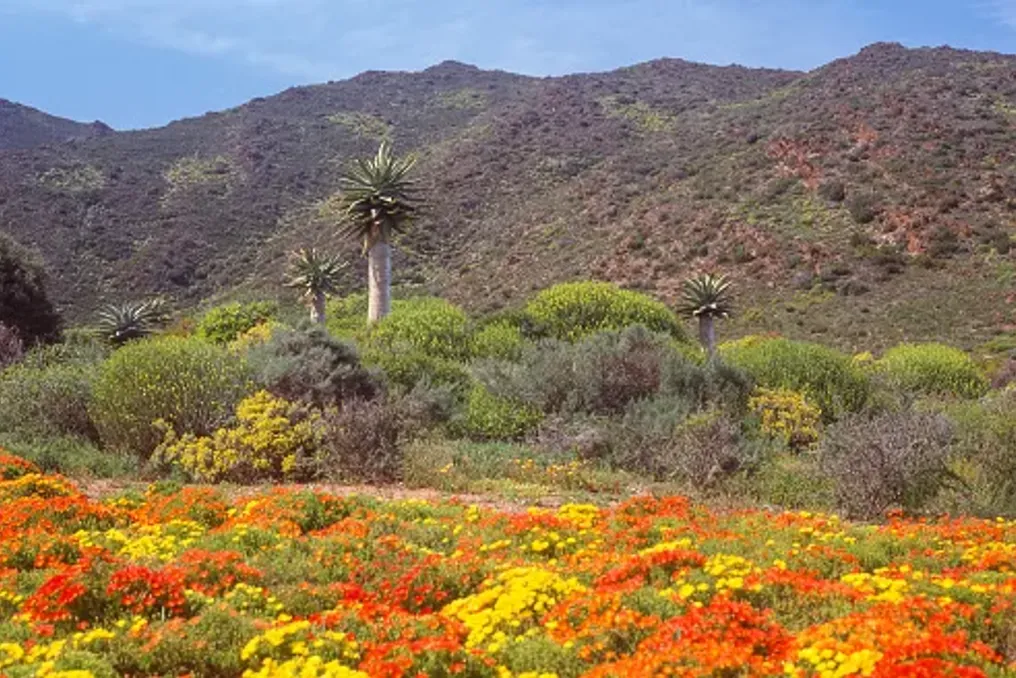
Visiting the Karoo Desert National Botanical Garden gives families a chance to discover the amazing variety of plants adapted to South Africa's drier landscapes. Located at the foot of the Hex River Mountains near Worcester, the garden showcases plants from arid and semi-arid regions, including an extensive collection of succulents. The landscape contrasts with the lush gardens and forests found elsewhere in the country, making it an interesting outing for children curious about how plants survive in different conditions.

Families can explore the garden's walking trails and observe the forms, textures, and adaptations of plants along the way. A simple treasure hunt, such as finding plants with unusual leaves, identifying different succulents, or observing pollinator signs, can make the visit more engaging for young children. The garden also offers walking routes, though families with small children should choose suitable trails and check conditions before heading out. The garden is open daily, and children under six currently have free entry according to SANBI information. Check fees and operating information before visiting.

A visit to the botanical garden doesn't have to be a formal walk or a plant identification lesson. With a little imagination, families can turn the visit into an adventure. Ask children to find a feather, a leaf with an unusual shape, a flower, a bird, a seed, or a tree with interesting bark. Avoid picking plants or disturbing wildlife. Younger children might want to stop at every insect, puddle, or flower. Allowing time for these discoveries can make the garden visit more rewarding than trying to cover every trail.

Many botanical gardens have lawns or picnic areas where families can rest between explorations. Remember to dispose of trash responsibly and familiarize yourself with the garden's rules regarding food, pets, and picnic areas.

South African botanical gardens give families a chance to reconnect with nature, introducing children to the country's wonderful plant diversity. From playgrounds and picnic lawns to waterfalls, forest trails, and tall trees—there is much to explore, and sometimes the best family adventures are found in the quietest green corners.

Similar stories

Seven simple ways to make the South African summer more eco-friendly
Read more
getaway.co.za

Seven simple ways to make the South African summer more eco-friendly

As December approaches, South Africans prepare for beach trips, road trips, festive barbecues, and summer gatherings. However, enjoying the festivities should not come at the expense of the environment. Small daily changes, from making more thoughtful decisions while traveling to reducing food waste and supporting local businesses, can help make the summer more sustainable.

According to WWF South Africa data, approximately one-third of all food in the country goes uneaten, and food loss and waste account for about 8–10% of global greenhouse gas emissions. Below are seven simple methods that can help you have a greener summer.

Driving style affects fuel consumption, which is particularly relevant with high petrol prices. Gentle acceleration, maintaining a constant speed, and braking only when necessary help reduce fuel consumption. Since burning gasoline and diesel releases carbon dioxide, reducing fuel consumption means fewer emissions during long summer drives.

Walking is ideal in the summer. Places such as First Thursdays in Cape Town, art districts in Johannesburg, and the Durban beachfront encourage a more relaxed pace. Where it is safe and convenient, you should leave your car parked. Walking between locations eliminates short car journeys and allows you to enjoy the surroundings.

Seafood is an integral part of summer leisure, whether it's a family lunch, a seaside restaurant, or a festive barbecue. Before ordering or buying, you must ensure that it has been sustainably sourced. The WWF Southern African Sustainable Seafood Initiative app uses a traffic light system to assist with choices.

Choosing the green labeling is the best option. Orange means 'think twice,' and red means 'avoid.' A quick check before ordering helps protect our oceans and marine resources for future generations.

Beach picnics, family get-togethers, and outdoor activities can generate a large amount of packaging and single-use waste. You should bring reusable water bottles, shopping bags, food containers, and cups. When visiting establishments or shopping, try to choose options that can be refilled or reused. These small habits help keep beaches, parks, and natural areas clean.

South African summer markets are abundant with local producers, farmers, artisans, and small businesses offering everything from fresh seasonal produce to handmade goods. Choosing local and seasonal products supports local business and promotes more conscious consumption. When buying food for a barbecue, gifts, or visiting a farmers' market, it is worth finding out where your purchases come from and how they are produced.

A new season doesn't necessarily mean a new wardrobe. Buying second-hand clothing, swapping items with friends, or reusing favorite things reduces the demand for new clothes. According to the Ellen MacArthur Foundation, doubling the number of times clothing is worn can reduce fashion industry greenhouse gas emissions by 44%.

Extending the lifespan of clothing matters. Local vintage shops, charity shops, and clothing rental services are good places to start.

Summer is a time for sharing delicious food, whether it's family meals, festive barbecues, picnics, or grand feasts. Planning portions and using leftovers helps minimize waste. It is necessary to plan meals based on the number of guests, serve moderate portions, and safely store leftovers for the next meal. Being mindful of what we buy, cook, and eat is one of the simplest ways to reduce our negative footprint.

Pedi Gozo, Head of Strategic Communications for WWF South Africa, notes: 'No one should feel guilty for enjoying the summer holidays, but it is worth remembering that much of what we value comes from nature.' He continues: 'Nature is our home, from the food we share to the beaches we visit and the beautiful open spaces where we spend our vacation. Caring for our common home does not mean giving up what we love. It simply means being more mindful of how we live in our daily lives. Small actions can help reduce emissions, protect natural resources, and support healthier ecosystems, and together they can make a significant contribution.' Gozo adds that he would like to see more South Africans moving from awareness to action, emphasizing that everyone can participate in protecting our common home, and even one or two greener choices this summer can be a great starting point.

Exploring Albania through the Vjosa Wild River National Park
Read more
getaway.co.za

Exploring Albania through the Vjosa Wild River National Park

In the city of Permet, you can spend the morning rafting on the Vjosa River and then relax in a warm pool near a stone bridge in the afternoon. If you allocate a couple more days, you can follow the river through the limestone canyon, visit the castle in Tepelenë, and conclude the trip on the coast with binoculars in hand. This river provides a compelling reason to choose a longer route through southern Albania.

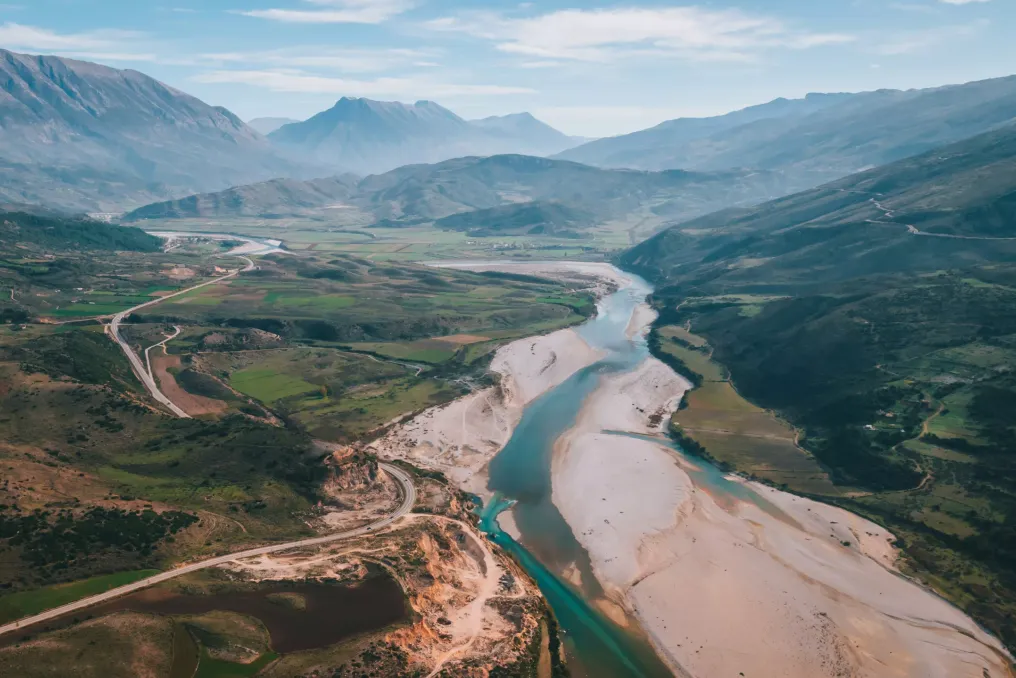
The Vjosa River originates in the Pindus Mountains in Greece, where it is known as the Aoos, and flows into the Adriatic Sea on the western coast of Albania. In March 2023, Albania established the first wild river national park in Europe, which protects the Vjosa on its Albanian section and parts of its tributaries. The river's appeal lies in its constant changes: it rushes through mountain gorges and then widens into a network of channels on the lowlands. Changes in water levels lead to the movement of sediments and alterations in the shape of islands and gravel bars; even the riverbed can look different at various times of the year.

Permet is a convenient starting point. Local guides organize rafting from Kalud back to the city, covering about nine kilometers. Spring snowmelt usually ensures a faster and colder raft trip, while the current becomes calmer in summer. Beginner rafters are advised to check with a guide about the water conditions for the current week before choosing a tour, as the calendar date only provides partial information.

Time must be set aside to visit the Benje thermal springs, where pools are located along the Lengarika River near the entrance to its canyon. The old stone arch of the Kadiu bridge crosses the river near the springs. On the way back to Permet, it is worth looking for 'gliko,' a local product traditionally offered to guests as a sign of hospitality; if you spot a green walnut, try it.

Traveling downstream from Permet, plan a stop in the Këlcitre gorge, where the Vjosa flows between steep limestone slopes. Visiting this location allows one to see the river from above after spending time at water level. Next, in Tepelenë, you can walk along the promenade and view the ruins of the castle associated with Ali Pasha. This is a natural stopping point during the journey before the valley opens up towards the coast.

Closer to Vlorë, replace rafting with birdwatching. The Vjosa Delta and the neighboring Narta Lake are part of the wider Vjosa Valley Biosphere Reserve, which will be recognized by UNESCO in 2025. The coastal wetlands serve as a stopover site for migratory birds in winter, including flamingos. It is also worth visiting Zvrnenc, where a pedestrian bridge leads across the lagoon to a monastery on a small wooded island.

The coast also emphasizes conservation issues. In July 2026, the environmental group EcoAlbania reported that the Bern Convention bureau expressed new concerns to Albanian authorities regarding development in the Vjosa-Narta area, including an airport project near the lagoon. This coastal area demonstrates how decisions made on land affect birds that use water resources.

If possible, dedicate three days to the trip. Dedicate the first day to Permet, the second to the gorge and Tepelenë, and the last to the lagoon. By the time you reach the pedestrian bridge in Zvrnenc, the first morning at the rapids may seem like a distant memory. That is the pleasure of following the Vjosa: in a short time, you can swim, enjoy something sweet, and spend a significant part of the day simply watching the water.

Plant 6 beautiful potted plants to keep your home and yard blooming year-round
Read more
www.aajtak.in

Plant 6 beautiful potted plants to keep your home and yard blooming year-round

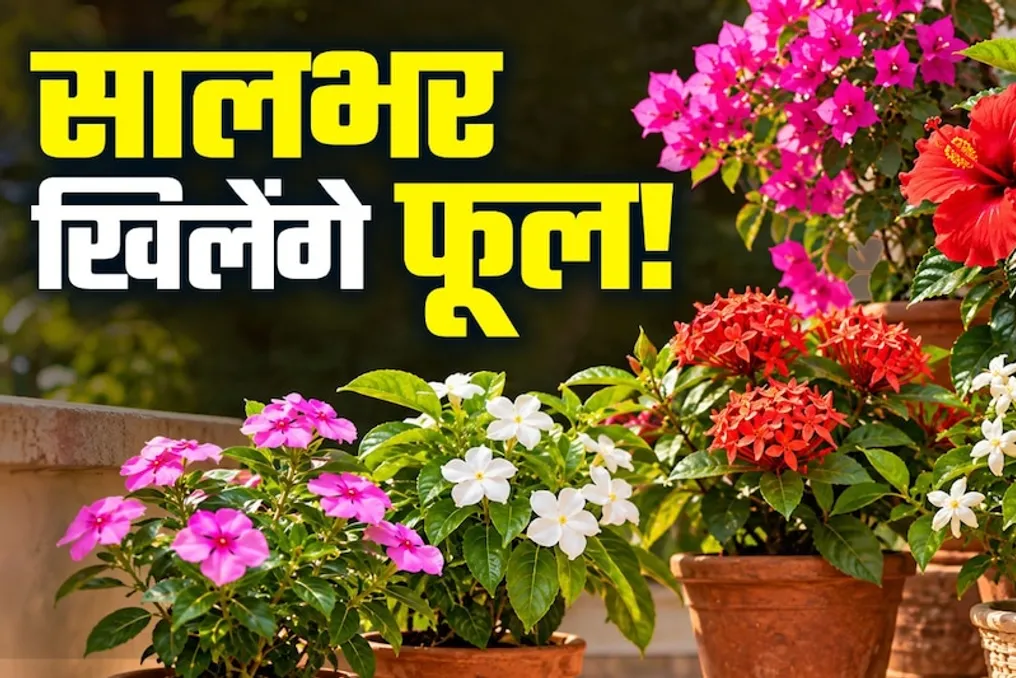
If colorful flowers bloom on the balcony, roof, or in the yard of your home, the entire house begins to look beautiful. Waking up in the morning to see fresh flowers on the plants brings joy. However, a common problem arises: some plants bloom for only one or two months, and their beauty fades with changing weather, leaving the garden looking empty.

If you want your home to always have an atmosphere of blooming, you should choose plants that flower for a long time. There are many such beautiful flowering plants that, with proper care, produce flowers for most of the year. Their feature is that they do not require a large garden or much space to be planted; they are easy to grow in pots on a small balcony.

Below are 6 such plants that bloom year-round.

SadaБахар is a plant that blooms profusely for a long time. Its small flowers come in pink, white, and dark pink shades. It grows well even in heat and requires less care compared to many other flowering plants. It can even be planted in small pots.

How to care for it: The SadaБахар plant should be placed in a sunny spot. Water should not accumulate in the soil. Water only when the top layer of the soil has dried out. Overwatering can damage the roots. It is important to remember that this plant can be poisonous if ingested, so keep it away from small children and pets.

If you like to see a large number of small flowers at once, you can plant Rangaan at home. It blooms in clusters of red, orange, yellow, and pink flowers. These flowers look very attractive and give the garden a lush appearance. In warm and humid climates, this plant can bloom for a long time.

How to care for it: The Rangaan plant can be planted in a sunny or semi-shaded area. Choose soil that drains water easily. Water the plant regularly and apply fertilizer for flowering plants once a month. Periodically remove withered flower clusters.

If you want to make the wall, roof, or balcony of your home colorful, bougainvillea can be a good choice. Its flowers, in shades of pink, purple, orange, white, and red, cover the entire plant. This plant grows well in bright sun and blooms for many months of the year. It can be easily grown even in large pots.

How to care for it: Bougainvillea needs to be placed where there is plenty of sunlight. This plant does not need excessive water. After it has established itself well, water only after the soil dries out. Do not fertilize it too heavily, otherwise, more leaves may appear instead of flowers. There are thorns on the branches of this plant, so wear gloves when pruning.

Kankambaram is known for its beautiful orange and yellow flowers. The shape of these flowers resembles a fan. These flowers are widely used in South India. In India, they are also used to make garlands and wreaths. With proper care in warm regions, this plant can bloom for a long time. It can be planted in a pot to enhance the beauty of the balcony.

How to care for it: The Kankambaram plant should be placed in a well-lit area, but without overly intense direct sun. Maintain light soil moisture, preventing water accumulation. Occasionally add a little fertilizer and remove withered flowers. In winter, it should be protected from severe cold.

The Chandini plant is also on this list. It is known for its white and beautiful flowers. Its flowers have a wheel-like shape, and the light fragrance emanating from them in the evening makes the surrounding atmosphere pleasant. This plant has lush green foliage and can bloom for most of the year in warm regions. It is easy to plant in the yard and in the home garden.

How to care for it: The Chandini plant can be planted in full sun or partial shade. Maintain soil moisture, but do not allow waterlogging in the pot. Prune periodically to give the plant the correct shape. The white milky sap secreted from its branches can cause skin irritation, so wear gloves when pruning.

The white flowers and fragrance of Mogra make the home not only beautiful but also fragrant. This is why it is loved to be planted on balconies, roofs, and yards. In summer, this plant blooms profusely. With proper care in warm regions, it can bloom for most of the year. Its flowers are also used for religious ceremonies and making garlands.

How to care for it: The Mogra plant needs good sunlight daily. It should be planted in soil that drains water easily. (Text ends)

Popular