Alkelp transforms seaweed into biostimulants to increase agricultural yields
Read more
Food For Mzansi
foodformzansi.co.za

Alkelp transforms seaweed into biostimulants to increase agricultural yields

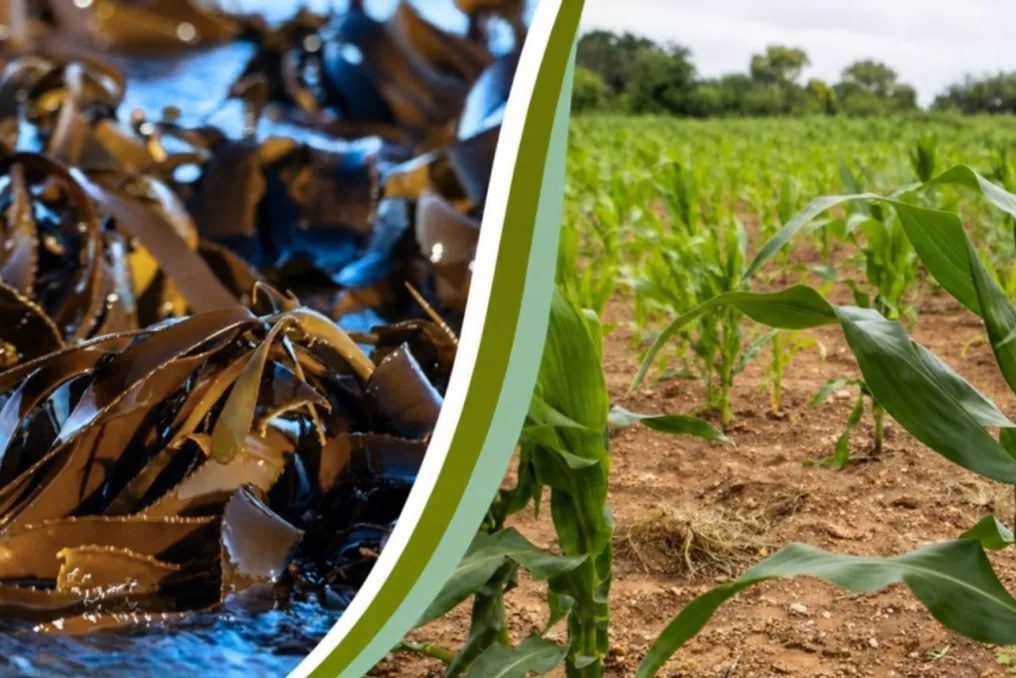
As farmers face the need to increase production while reducing costs, plant biostimulants are becoming a critical element of modern crop management. Alkelp SA offers precision agriculture solutions based on seaweed, going beyond standard extracts.

Agriculture is entering a period where productivity cannot be separated from resource efficiency, climate resilience, and environmental friendliness. Plant biostimulants are transforming from a new category of agricultural additives into an integral part of modern agromangement.

The European Biostimulant Council (EBIC) has played a significant role in this transition, advocating for biostimulants as technologies capable of improving nutrient uptake efficiency, crop quality, and resistance to abiotic stress. The current EBIC strategy focuses on innovation, scientific data, global market development, and the integration of biostimulants into sustainable food systems.

For Alkelp SA, these trends represent not just an industry forecast but the foundation for developing the company's products.

At the core of Alkelp SA's operations is research and development. The company's work with Ecklonia maxima aims to understand how the local South African seaweed resource can be converted into stable, application-oriented agricultural solutions. This requires not just extracting the seaweed, but identifying, characterizing, and preserving the compounds and properties that can bring tangible agronomic benefits.

This distinction is becoming increasingly important as the biostimulant industry matures. The future will likely belong not just to products labeled 'natural' or 'seaweed-based,' but to those supported by scientific data, reproducible manufacturing, and clearly defined areas of application.

EBIC itself emphasizes the importance of evidence-based claims, product quality, and transparency to build farmer trust and industry authority.

Alkelp SA's development path reflects this principle. South Africa's requirements for registering seaweed products include scientific proof of efficacy, corresponding analytical characterization, and controlled trials on representative crops. These guidelines also link efficacy evidence directly to stated claims and intended uses.

This creates an important bridge between research and real-world impact. Product development cannot end with demonstrating that a seaweed extract contains potentially valuable compounds; it must establish whether the formulated product performs stably under specified agricultural conditions, at realistic application rates, and using practical methods.

This is where Alkelp SA sees an opportunity for differentiation.

The next generation of biostimulant applications will increasingly focus on precision, evidence base, and integration, understanding not only the product's composition but also when, where, how, and why it should be applied. Thus, the method of application, dosage, and crop-specific performance become as important as the formulation itself.

South African registration guidelines directly require that recommendations for application methods and dosages be supported by scientific research. Simultaneously, the industry is moving towards a broader understanding of biostimulants as part of comprehensive plant nutrition and sustainable agricultural production. EBIC defines nutrient use efficiency, abiotic stress mitigation, and soil health as central elements of the future role of biostimulants.

For Alkelp SA, this forms a clear strategic direction: transforming the scientific understanding of Ecklonia maxima into reliable products that solve specific agricultural problems, backed by evidence and designed for practical integration into crop cultivation programs.

There is also a responsibility that extends beyond the farm. The development of sustainable biostimulants must consider the sustainability of the biological resources upon which the industry depends. Therefore, Alkelp SA approaches seaweed processing with a long-term perspective, reflected in its commitment: 'Processing beyond today's exploitation to protect future seaweed forests.'

Ultimately, Alkelp SA's potential lies not merely in producing seaweed extracts, but in creating a scientifically grounded platform capable of transforming South Africa's natural resources into agricultural technologies with measurable value.

Thus, the path from research and development to real-world impact is not linear. It is a continuous cycle of research, formulation, testing, application, learning, and refinement.

As the biostimulant industry moves toward greater scientific rigor, precision, and sustainability, Alkelp SA positions itself to participate not only in the growth of this category but also in shaping what the next generation of biostimulants can become.
Similar stories

Brazilian plant that causes sweating turns into medicine, highlighting conservation and usage challenges.
Read more
super.abril.com.br

Brazilian plant that causes sweating turns into medicine, highlighting conservation and usage challenges.

A full professor from the Department of Pharmaceutical Technology at the Federal University of Fluminense (UFF), who is also part of the National Institute of Science and Technology of Structural Biology and Bioimaging (INBEB), discusses the journey of a Brazilian plant that has the characteristic of causing sweating and eventually becomes a medicine.

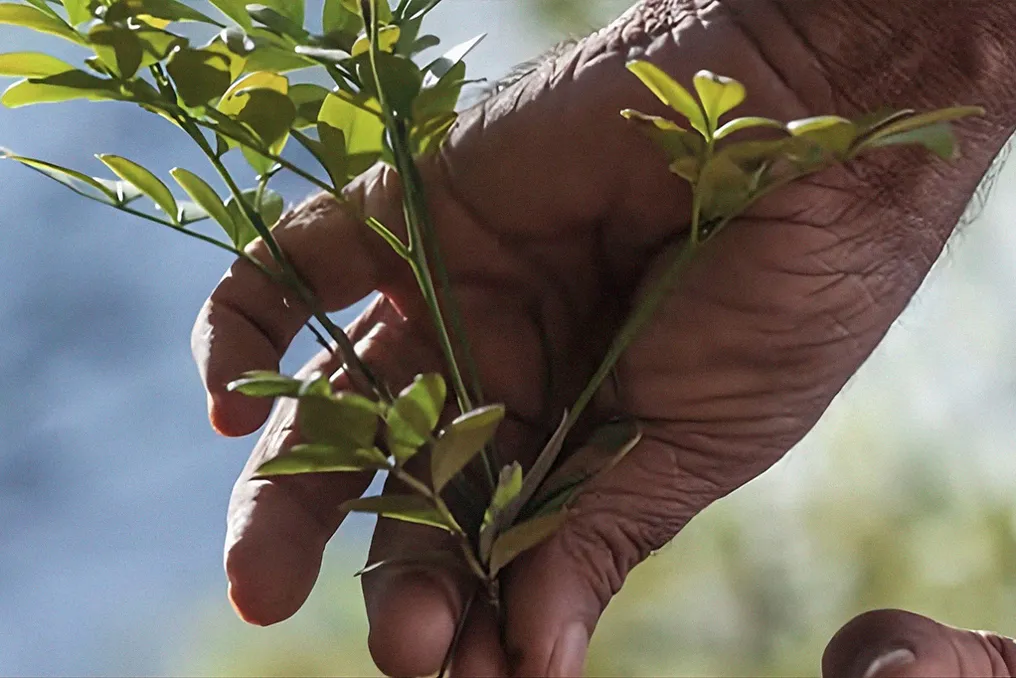
In Tupi-Guarani, the term Jaborandi means something close to 'makes sweat/drool,' precisely describing the plant's effect. Chemically, the leaves of Pilocarpus microphyllus concentrate pilocarpine, an alkaloid belonging to the same chemical family as caffeine and morphine.

Indigenous peoples of the Amazon used jaborandi in rituals long before any laboratory could isolate this molecule. Currently, pilocarpine is a crucial component in the treatment of glaucoma, considered the leading cause of global blindness, and the plant is also incorporated into essential oils, hair lotions, and shampoos.

However, jaborandi is the largest known source of pilocarpine. This situation, aggravated by overexploitation and deforestation in its natural occurrence areas—notably in the North and Northeast of Brazil, specifically in the states of Pará, Maranhão, Piauí, and Ceará—has put the species at risk of extinction.

This cycle repeats: from traditional knowledge to registered medicine, and then to the ecological pressure exerted on the very plant that gave rise to the remedy.

Researchers from the Laboratory of Innovation in Chemistry and Pharmaceutical Technology and the Department of Agricultural Engineering and Environment at UFF recently published a review article on this subject in the journal Science Set.

The use of plants as medicine has been documented for about five thousand years, with records including twelve recipes developed from more than 250 different types of species. Today, it is known that much of these effects derives from alkaloids, flavonoids (phenolic compounds), terpenes, and other bioactive molecules, each group presenting distinct physiological actions.

A well-known example is white willow (Salix alba), used by Egyptians, Greeks, Romans, and Indians. Its anti-inflammatory, analgesic, and antipyretic properties were already mentioned in Hippocrates' texts, but the salicylic acid responsible for such effects was only isolated in the 19th century by German chemists, giving rise to aspirin through related studies.

Other species followed similar paths. Valerian, native to the forests of the Alps and Apennines, became a recommended extract for mild insomnia and anxiety. Ginger, originating from China, produced solid preparations effective against nausea and gastrointestinal spasms.

Ginkgo (Ginkgo biloba) presents a unique case: after being considered extinct in nature, it was rediscovered in a Chinese province and today symbolizes efforts in forest conservation.

Despite this, the industry opted for the synthetic route, evaluating the viability of large-scale production, the repeatability of chemical parameters, the reliability of quality control, and the low cost in standardizing vegetable extracts.

Ipecac (Carapichea ipecacuanha) illustrates another facet of this history. Originating in American tropical forests, it was used by indigenous peoples, and this knowledge was transmitted to Portuguese colonizers, who brought it to Europe, North America, and Asia. Its roots contain emetine and cephaeline, alkaloids with emetic (vomiting-inducing), expectorant, and amoebicidal action.

Starting in the 18th century, the extraction of ipecac for export purposes increased drastically. Wild stocks were depleted, bringing the species close to extinction. Currently, the plant is classified as vulnerable in the Red Book of Brazilian Flora. Predatory harvesting has been prohibited, and the commercialization of the root requires a license from Ibama.

The solution found was cultivation. Experimental production initiatives yielded positive results, although attempts in South and Southeast Asia failed. Given the value of the root to the pharmaceutical industry, methods of artificial cultivation and agroforestry systems emerged to ensure a constant supply.

In this model, forest cultivation sustains the income of small producers, who sell the roots to large corporations.

Cordia curassavica represents the opposite scenario. It was the first native Brazilian plant to generate an industrially produced phytotherapeutic in the country, Acheflan. This species of the Atlantic Forest, found along the entire coast, was traditionally used by Caiçara communities to treat tendinitis, muscle pain, and inflammation resulting from trauma, contusions, and sprains. Its anti-inflammatory action is linked to two substances in the essential oil: alpha-humulene and beta-caryophyllene.

Besides its medicinal benefit, Cordia curassavica has been indicated for agroecological planting, recovery of degraded areas, and legal cultivation in protected zones.

Jaborandi followed a similar path. Efforts to reverse the threat to the species showed positive results, including the creation of sustainable extraction cooperatives that promote the conservation of the plant and its natural habitats, generating income for local inhabitants.

When cultivation, harvesting, and processing are carried out responsibly, these practices generate jobs, protect the forest, and reduce the ecological footprint.

It is important to note the contrast: synthetic drugs can present environmental risks if manufactured or discarded improperly.

In fairs in the North Region, such as garrafadas, scent baths, and perfumes of Ver-o-Peso in Belém, there is a secular trade sustained by herbalists and gatherers. These holders of popular knowledge recommend oils and essences based on traditional knowledge of forest plants, being respected figures whose expertise is rooted in the tradition of the indigenous peoples of the Amazon.

This knowledge has also been incorporated into public policy. The Farmácias Vivas program, pioneering in social pharmaceutical assistance in Brazil and still active, maintains an archive of 139 certified species, distributing products derived from plants with proven therapeutic activity in the public health system.

In this context, in 2006, Brazil established the National Policy on Medicinal Plants and Phytotherapeutics.

However, sector data reveals a significant obstacle. Anvisa recognizes and authorizes 85 plant species and 236 formulations, most of which come from imported plants. One of the world's richest countries in biodiversity still depends largely on foreign species.

Given this, there are two pending challenges in Brazil. The first is to create a regulatory framework that harmonizes the interests of the entire production chain, from sustainable management and cultivation to research, manufacturing, distribution, and use. The second challenge is training, since knowledge about the appropriate management and cultivation environments of medicinal plants is still restricted among professionals and health programs.

The analyzed examples demonstrate that the knowledge of indigenous peoples and traditional communities about medicinal plants does not just result in medicines and health products; it provides vital information on how to manage these plants in balance with the environment and biodiversity.

Through sustainable cultivation and extraction, rural communities near these resources can act as intermediaries in the production chain, providing raw material and sharing their expertise in identifying and managing the species. In return, they gain socioeconomic development and improved quality of life.

This is where public policy can make an impact. By fostering the sustainable production, commercialization, and use of phytotherapeutics, the government can integrate, in a single arrangement, environmental preservation, support for indigenous and traditional communities, rational use of traditional medicine, and sustainable development.

However, this does not eliminate the need for basic research. It is essential to increase investment to accurately identify plants, discover new bioactive compounds, develop medicines, and guarantee the safety, efficacy, and quality of phytotherapeutics.

Protecting medicinal plants guarantees access to a higher quality of life for future generations; this transcends a mere environmental issue, constituting a human necessity.

Kenyan company HyaPak converts invasive water hyacinth into biodegradable packaging
Read more
designindaba.com

Kenyan company HyaPak converts invasive water hyacinth into biodegradable packaging

HyaPak, a company based in Kenya, is developing eco-friendly packaging. It was founded by Joseph Ngutiru and a group of engineers from Egerton University.

The company's main idea is to transform the invasive water hyacinth into biodegradable packaging material. This concept arose after students became trapped in dense mats of water hyacinth on Lake Naivasha. Recognizing the widespread distribution of this plant and its potential, they began studying how its biomass could replace traditional plastic.

The team collaborated with the Department of Civil and Environmental Engineering at Egerton University to develop and refine a patented process that allows dried hyacinth to be converted into plant-based material. Through repeated testing and material development, they succeeded in creating a flexible, durable, and moisture-resistant material suitable for everyday packaging.

Notably, this material can be adapted for specific applications: seedling sachets, mailers, inner layers of cardboard boxes, and floral wraps require different performance characteristics, and the flexible design process allows for the production of products with customized parameters.

The products undergo testing for durability and biodegradability, with decomposition times regulated between three and twelve months. HyaPak's design process links production to local income sources, as raw materials are sourced from coastal communities. As a result, a circular design model has been created that turns an invasive plant species into an opportunity for cleaner waterways and responsible consumption.

CMD of Deepak Fertilizers discusses four problems with excessive fertilizer use in agriculture
Read more
www.aajtak.in

CMD of Deepak Fertilizers discusses four problems with excessive fertilizer use in agriculture

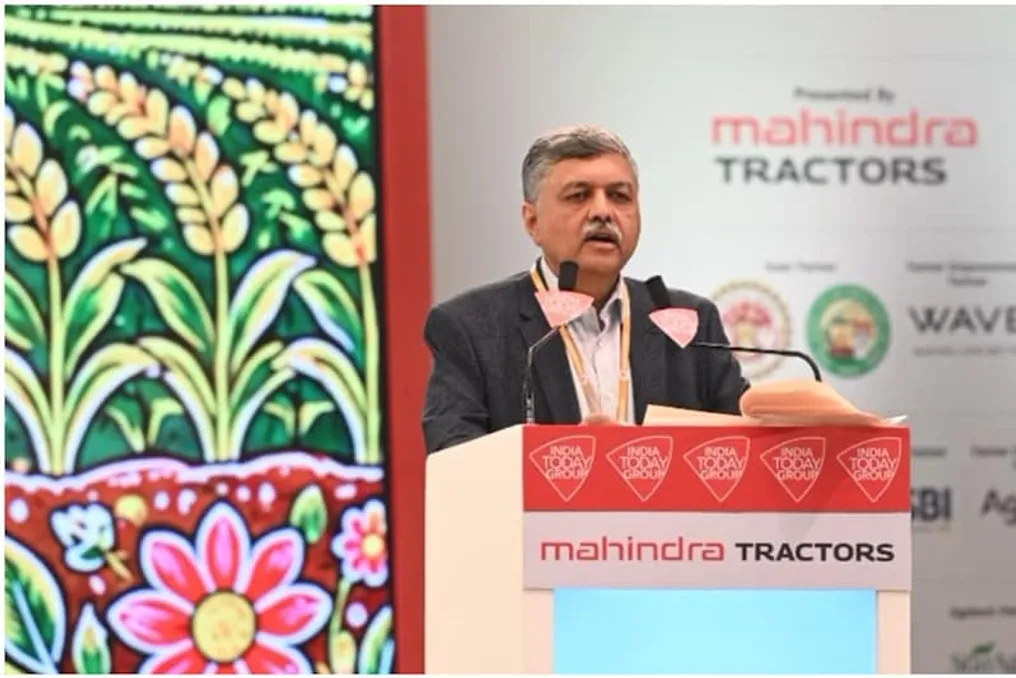
At the 'Kisan Tak Bharat Agriculture Conference 2026' in Delhi, organized by India Today Group, SC Mehta, Managing Director (CMD) of Deepak Fertilizers and Petrochemicals Corporation Limited, raised several issues concerning fertilizer use in agriculture that require serious consideration from farmers.

During the session 'Good Fertilizer, Correct Dosage, Smart Farmer' on November 12, Mehta noted that despite the use of fertilizers in India, the expected increase in crop yield has not been observed. The reason for this is unbalanced application of fertilizers and insufficient matching of nutrients to soil requirements.

SC Mehta stated that over the last fifty years, from the 1970s to 2020, the ratio of yield growth due to fertilizer use has decreased by approximately 7%. This means that the benefit derived from fertilizer application, which was previously higher, is now achieved to a lesser extent. He also mentioned that farmers might notice changes in the taste of grains, bread, and fruits, indicating the need not just to increase the quantity of fertilizers, but to provide the soil and crops with the necessary nutrients.

Comparing agricultural productivity in India and China, SC Mehta highlighted India's significant lag in per-acre yield. He cited an example that wheat yield in India is about 40% lower than in China. Despite the use of land and fertilizers, the expected increase in productivity is not occurring, which necessitates a review of both traditional farming methods and fertilizer application approaches.

Mehta also expressed concern over the environmental damage caused by unbalanced fertilizer use. He stated that only about 30% of urea and DAP (diammonium phosphate) applied to fields is absorbed by plants. The remaining approximately 70% of nutrients do not reach the plants and can harm the soil, water, and environment in various ways. Therefore, it is crucial to apply fertilizers according to needs and in the correct dosage; excess fertilizer will not bring full benefits.

He also touched upon government spending on fertilizer subsidies. SC Mehta noted that the government spends about 2 to 2.5 lakh crore rupees annually on fertilizers, yet farmers are not reaping the expected benefits in agriculture. He questioned: why does all this money invested by farmers, the land, and the government not yield complete results? In his opinion, both the fertilizer subsidy system and current application methods need to be reviewed.

SC Mehta gave farmers important advice: fertilizers should be viewed as medicine for the field. Just as a person takes medicine as prescribed by a doctor and in the correct dose to maintain health, fertilizers must be applied in the field according to needs. He emphasized: 'It doesn't matter how cheap the medicine is; it cannot be taken in excess. The same applies to fertilizers; they are cheap, so applying them in large quantities incorrectly is wrong.' According to Mehta, agricultural scientists should convey their scientific research and technical information directly to farmers so that the successes of science are reflected in the income and yield of farmers.

SC Mehta explained that not all crops require the same fertilizers. The nutrient requirements of diverse crops such as sugarcane, cotton, and onion differ. Consequently, fertilizers must be developed considering the specific crop. He mentioned that his company has developed specialized fertilizers for various crops in Maharashtra, taking into account their needs. These fertilizers include micronutrients and biostimulants along with nitrogen, phosphorus, and potassium (NPK).

The goal of this approach is to ensure the crop receives the necessary nutrients in a balanced amount so that it can maximize the benefits of fertilizers. Based on his experience, he noted that growing sugarcane resulted in improvements not only in yield but also in sugar content. Cotton showed improved fiber quality, and onions showed better bulb size and shelf life.

The company conducted 100,000 demonstration plots over five years.

Popular