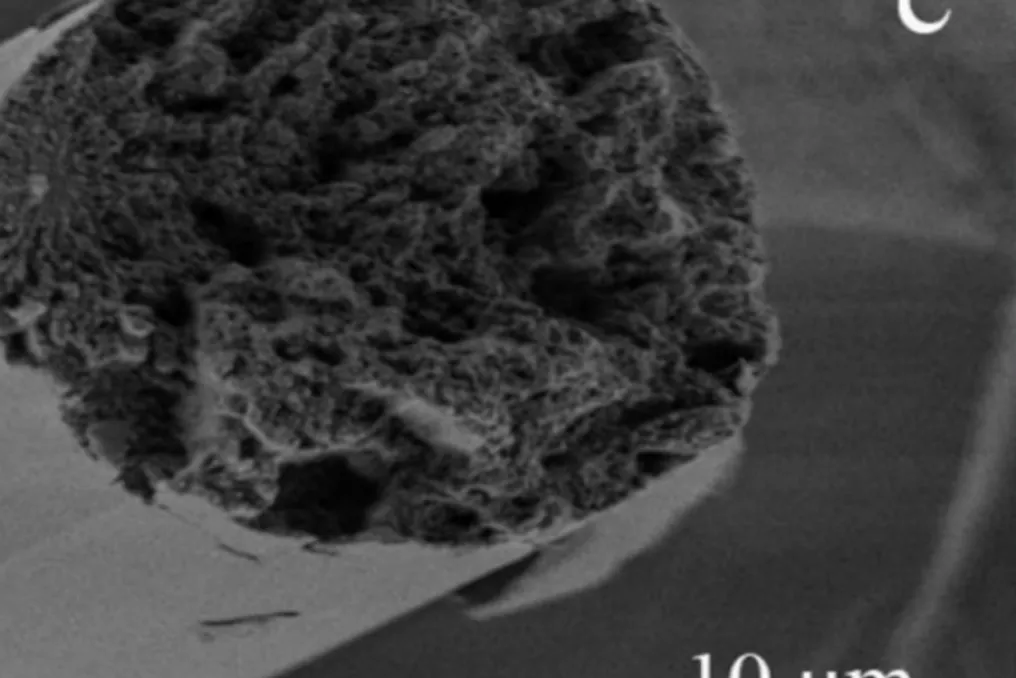
Researchers obtained cellulose fibers from Sosnowsky's hogweed comparable in strength to lyocell
Read more
N+1
nplus1.ru

Researchers obtained cellulose fibers from Sosnowsky's hogweed comparable in strength to lyocell

Russian, Chinese, and British scientists have successfully extracted cellulose fibers from Sosnowsky's hogweed. The resulting fibers possess strength comparable to industrial lyocell.

During the research, the scientists managed to isolate cellulose from the stems of this plant. Subsequently, the cellulose was dissolved in N-methylmorpholine N-oxide, and the fibers were formed using the dry-wet molding method.

The results of this scientific work were officially published in the journal Cellulose. The Ministry of Science and Higher Education of the Russian Federation announced the discovery through its press service.

Similar stories

Birch tar as one of the earliest artificial materials used by Neanderthals
Read more
nplus1.ru

Birch tar as one of the earliest artificial materials used by Neanderthals

Birch tar is recognized as the earliest artificial material known in human history. Neanderthals used it to glue stone tools. For example, flakes showing traces of birch resin were discovered in the Tuscany region, dating back approximately 200,000 years.

Later, during the Mesolithic period, humans began using this resin as chewing gum. Today, scientists are recovering the DNA of the owners of these artifacts by analyzing chewed fragments of the tar.

However, it remains an open question how ancient inhabitants obtained this tar.

Japanese engineers created artificial muscles and ligaments for robots from polyurethane
Read more
nplus1.ru

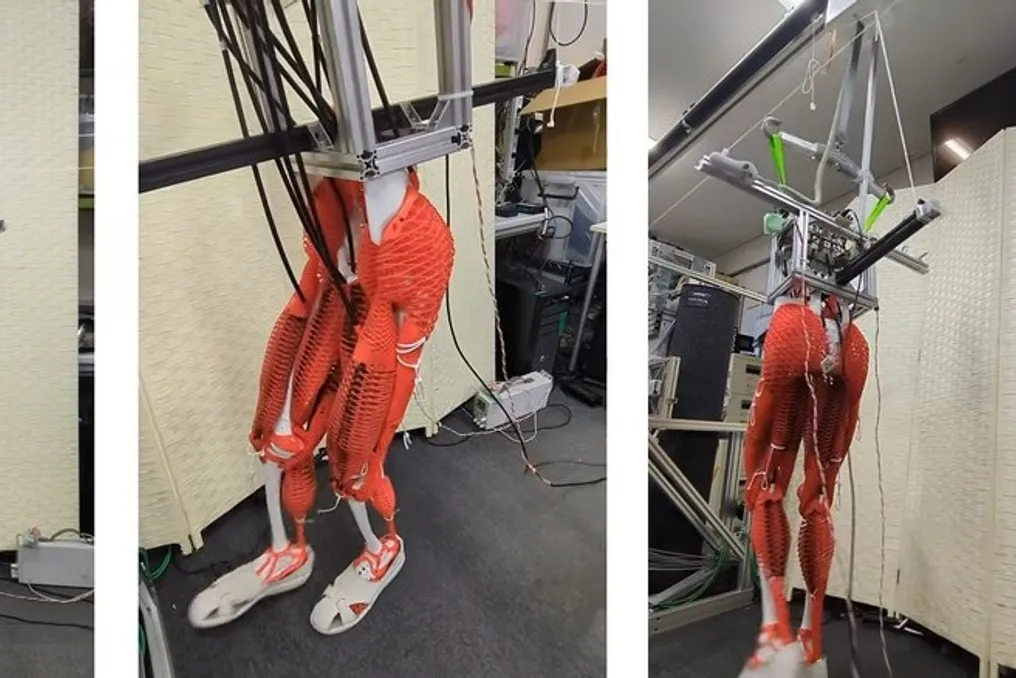
Japanese engineers created artificial muscles and ligaments for robots from polyurethane

Engineers from Japan have developed elastic components capable of imitating the functions of muscles, ligaments, and tendons, intended for use in musculoskeletal robots. These elements are manufactured using 3D printing and take the form of lattice structures.

The characteristics of these structures, including their stiffness and elasticity, can be adjusted by changing the thickness of the rods forming the lattice, as well as by modifying the size of the cells themselves.

Thanks to this technology, researchers have managed to create full-scale robotic limbs resembling human legs that are capable of reproducing movement patterns characteristic of walking. The results of the work were presented in the scientific journal Advanced Intelligent Systems.

Popular