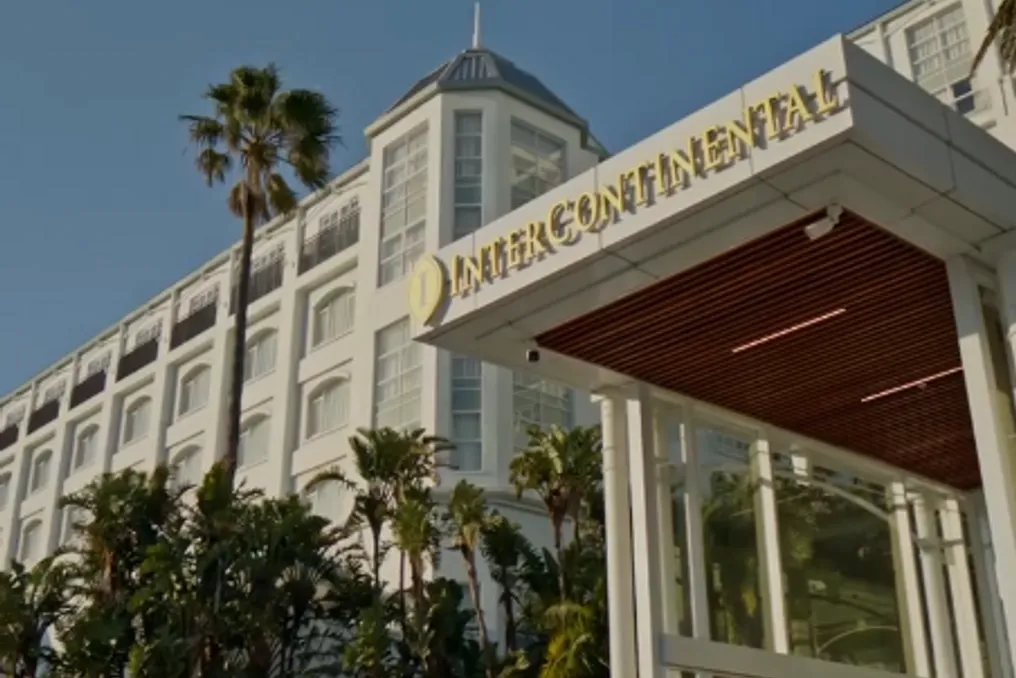
The Cape Town EDITION and InterContinental Table Bay hotels have received 5-Star Green Star SA design ratings certificates, highlighting the importance of overall infrastructure for enhancing the environmental friendliness of the hospitality business. These achievements strengthen the image of V&A Waterfront in Cape Town as a place committed to sustainable development.
Cape Town EDITION and InterContinental Table Bay are among the first four projects in South Africa certified using the GBCSA New Build & Major Refurbishment V2 Pilot tool. Both hotels scored highly—52 and 55 respectively, exceeding the required threshold of 35 points for the 5-Star rating, which is classified as South African excellence.
The certification demonstrates how shared infrastructure, including water supply, cooling, and renewable energy systems, allows individual properties to improve their environmental performance and contribute to more responsible tourism. Both hotels utilize the infrastructure created by V&A Waterfront to serve multiple buildings in the area, rather than relying solely on individual property resource management.
Systems recognized within the sustainability assessment
Three key systems were noted in the hotels' sustainability assessments:
- Desalinated Water: The Waterfront desalination plant on East Pier can supply over 80% of the area's monthly drinking water needs, reducing dependence on Cape Town's municipal supply.
- District Sea Water Cooling: Heat exchangers use seawater to cool the air conditioning systems serving Victoria Wharf, InterContinental Table Bay, and Cape Town EDITION. This system provides higher efficiency for the hotels' chillers compared to similar standalone units.
- Renewable Energy: Through power purchase agreements, electricity generated from off-site renewable sources is transmitted through the grid and covers up to 70% of Waterfront's annual energy needs.
V&A Waterfront CEO, Graham Wood, noted that the area has invested in water, cooling, and energy infrastructure over more than ten years on a scale that individual buildings could not achieve alone. He added that the new Green Star tool allows these investments to be accounted for at the building level, emphasizing the growing importance of resource efficiency and sustainability amid Cape Town's increasing water and energy security challenges.
GBCSA CEO, Georgina Smith, also welcomed these certifications, calling the Waterfront's approach an example of long-term district development that considers both environmental and broader social benefits.
Both hotels illustrate the application of sustainable development principles in both existing and new projects. InterContinental Table Bay reopened after an 18-month renovation, during which the main structure, brickwork, and facade of the building were preserved. Retaining these elements helped avoid a significant carbon footprint associated with demolition and new construction. Mature trees and plants were also relocated and reused, and appropriate signage was installed to inform guests about conservation initiatives.
The renovation also aimed for zero construction waste. Although this goal was not fully met due to limited industry recycling capacity for large volumes, a significant amount of material found alternative uses. Carpets were donated to community partners, including Astra School for students with special educational needs, and thousands of square meters of paving were prepared for reuse in other parts of the area.
Cape Town EDITION, located on Quay 7, was designed from the outset with connection to the Waterfront's shared infrastructure. Design-stage modeling predicts a 75% improvement in water consumption compared to the Green Star baseline, including the benefits of desalinated water, as well as a 43% improvement in energy efficiency even before accounting for external renewable sources. It should be noted that these figures are projections, and actual consumption will be measured after full operation of the building.
Project structural engineers evaluated four flooring systems before selecting pre-stressed reinforced concrete slabs, which were identified as the option with the lowest embodied carbon. Exposed concrete and brickwork also reduce the need for additional finishing materials throughout the building's lifespan. The project includes measures to improve indoor air quality, lighting, acoustic comfort, and sustainable mobility, as well as the use of low-toxicity materials and efforts to mitigate the urban heat island effect. The preserved historic wall and port cranes maintain a connection to the character of the working port.
Both hotels received their ratings at the design certification stage following an independent assessment of the design documentation. They must obtain 'As Built' certification within three years to confirm the implementation of the sustainability measures assessed at the design stage. These certifications expand V&A Waterfront's portfolio to 30 Green Star rated buildings and support the company's commitment to ensuring that all major new projects achieve at least 4-Star Green Star.