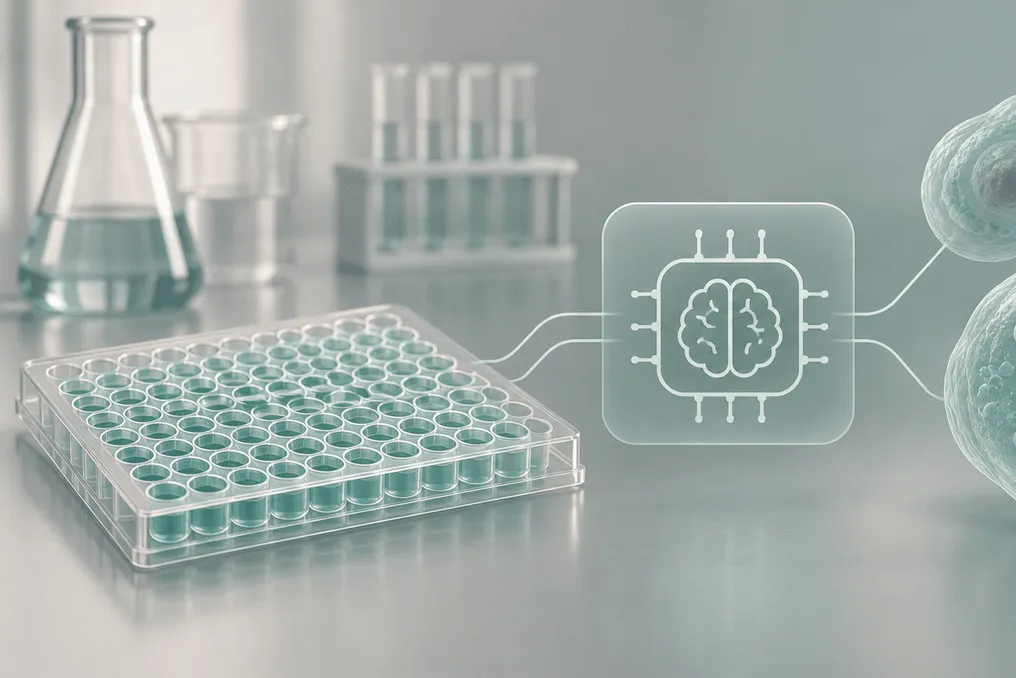
On November 19, BioMap launched a drug safety assessment system using artificial intelligence. This system combines virtual cell models, toxicity prediction, and non-clinical assessment services.
According to information published by the company via Leiphone, this development is intended to help researchers prioritize candidate molecules and safety concerns before they start spending resources on animal studies.
Key Components and Capabilities of the System
One of the key elements is the xTrimoTox toxicity prediction model, which BioMap created based on a cellular world model. The company is also exploring the possibility of virtual dosing through safety prediction models called 'virtual monkeys' to extend predictions beyond cellular reactions to the level of animal impact. It is emphasized that this approach remains a model and requires experimental verification, and is not an approved substitute for animal testing.
BioMap reports AUROC scores of 0.9637 for drug-induced liver injury and 0.8918 for hERG-related cardiotoxicity on selected benchmarks from the Therapeutics Data Commons. Separately, the company cites a score of 0.9076 in a blind test for liver injury involving 47 drugs. It is important to note that these are discrimination metrics claimed by the company itself, not results from clinical trials, diagnostic accuracy percentages, or proof of drug safety or efficacy for patients.
On the Tox21 test set, it claims an average ROC-AUC of 0.8598 for 645 molecules and 12 toxicity endpoints, which is higher than the 0.8470 achieved by DeepTox. These figures have not been independently reproduced for this article, and the comparison relates to the specified benchmark conditions, not universal superiority in safety assessment.
Integration into Non-Clinical Workflow
The product is designed to support several stages of the non-clinical workflow. Before starting research, BioMap integrates laboratory toxicology data, small animal information, and historical data from larger animals or related molecules to determine species selection, dosage groups, and potential target organ risks. During testing, the system analyzes parameters such as body weight, food consumption, lab measurements, and toxicokinetic data to identify signals requiring further investigation.
Regarding pathology and reporting, the company describes features for whole slide preliminary screening, annotation of suspicious areas, and checking data consistency from various sources, report tables, and submission materials. These features assist researchers and pathologists but do not replace their professional judgment.
BioMap has announced partnerships with over 30 contract research organizations and laboratories that are already beginning to participate in projects with the relevant capabilities. Within the proposed feedback loop, partners' animal studies verify the risks noted by the models, and the resulting experimental data is used to refine subsequent predictions. Thus, the launch pertains to an AI-supported research workflow, not proof of confirmed clinical efficacy or regulatory approval.