Mumbai startup develops AI-based device to monitor one million births in India
Read more
The Better India
thebetterindia.com

Mumbai startup develops AI-based device to monitor one million births in India

Every year, thousands of mothers and newborns die during childbirth and within the subsequent 24 hours, despite the fact that 9 out of 10 births now occur in medical facilities.

An innovative startup based in Mumbai and created with IIT Bombay is implementing artificial intelligence-based fetal and labor monitoring systems for frontline healthcare workers and hospitals.

These devices are attached to the mother and transmit data in real time to a smartphone. They allow for early warning of risks such as fetal distress and postpartum hemorrhage (PPH). Furthermore, these gadgets reduce the time nurses spend on documentation by 50%, giving them more time for direct patient care.

Such technological advancements demonstrate that the quality of maternal care should not depend on where a woman lives.

Similar stories

Doctor explains the causes of premature birth and associated risks
Read more
www.aajtak.in

Doctor explains the causes of premature birth and associated risks

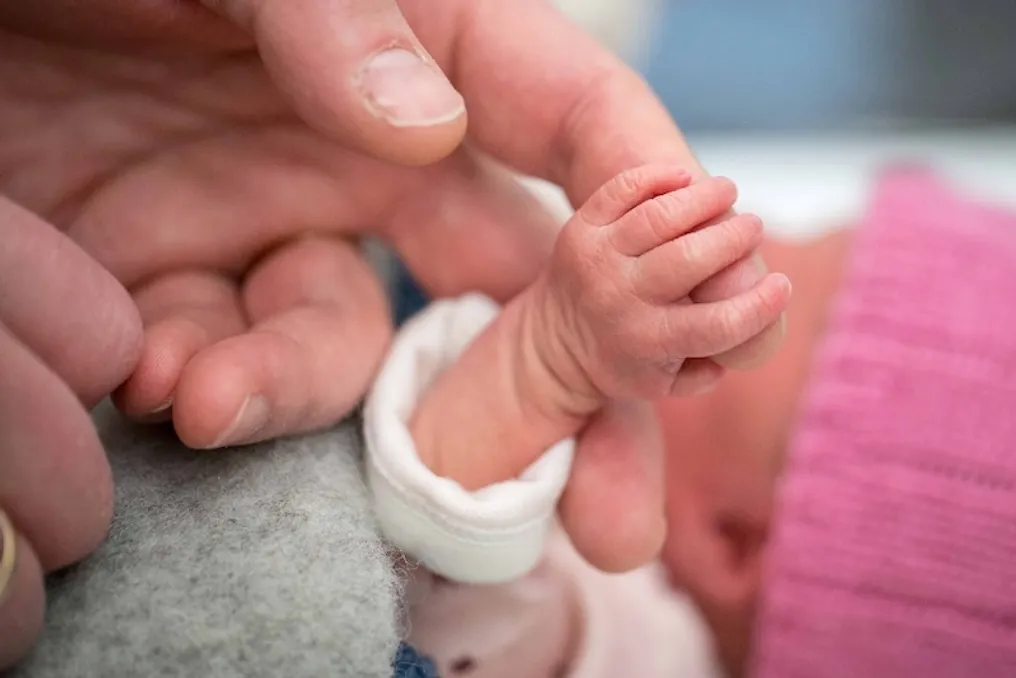
Typically, babies are born after nine months of pregnancy, but due to various complications, a baby may be born prematurely. This condition is medically termed preterm birth. This raises the question of whether such children might face health problems in the future. First and foremost, it is important to understand what preterm birth is.

Preterm birth means the birth of a baby before 37 weeks of gestation. A full-term pregnancy normally lasts from 39 to 40 weeks. If a baby is born before 37 weeks, it is classified as preterm birth. Although this does not happen in all cases, some children may have various issues.

Gynecologist Dr. Chanchal Sharma from Delhi discussed numerous causes of preterm birth. If a woman develops an infection, it can affect the amniotic fluid, placenta, or uterus. When this infection becomes too severe in the body, chemicals associated with labor are released, leading to early delivery.

Dr. Chanchal also noted the issue of cervical weakness. In some women, the cervix may begin to contract or dilate prematurely without any pain. This condition is known as cervical insufficiency. It can go unnoticed until changes appear during a routine examination. The risk is higher for women who have previously undergone surgery on their cervix, or those with uterine abnormalities.

Furthermore, pre-existing medical conditions can affect pregnancy in various ways. High blood pressure, gestational diabetes, autoimmune disorders, and thyroid imbalance are linked to a higher rate of preterm births.

Signs include regular or frequent contractions, a feeling of tension in the abdomen or lower belly, spasmodic pain, diarrhea combined with lower abdominal spasms, as well as vaginal bleeding or spotting. Any spotting or light bleeding, especially if accompanied by back or pelvic pain, requires a medical examination.

According to Dr. Chanchal Sharma, the condition of preterm birth and early delivery, often called 'early birth,' is mainly caused by an imbalance or disruption of 'Apana Vayu.' Apana Vayu is a specific form of 'Vata Dosha' that controls all downward movements in the body, as well as defecation and childbirth processes.

Dr. Chanchal asserts that in cases of premature birth, the baby may require hospitalization in the Neonatal Intensive Care Unit (NICU) for some time or several days. However, this does not mean that these children will necessarily have health problems later on.

To maintain a healthy pregnancy, it is recommended to consult a doctor immediately upon conception and start necessary treatment. It is also important to maintain a nutritious diet, gain weight appropriately, avoid smoking, alcohol, and drugs, and engage in exercises and yoga as recommended by a doctor.

Complex spinal operation successfully performed on a 25-week fetus at AIIMS
Read more
www.aajtak.in

Complex spinal operation successfully performed on a 25-week fetus at AIIMS

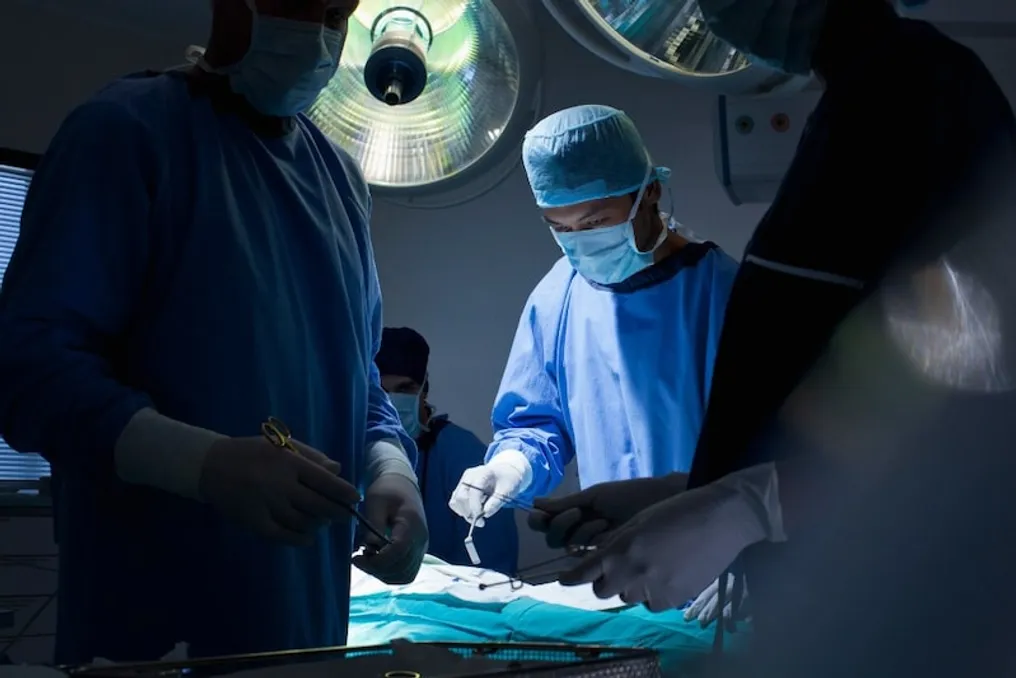
A team of doctors from the All India Institute of Medical Sciences (AIIMS) in Delhi treated a serious spinal condition in a child developing in the mother's womb at 25 weeks gestation. The treatment for myelomeningocele (spina bifida) was performed directly inside the uterus.

This operation, which lasted about six hours, is considered the first similar procedure for open spinal cord repair in India. More than 30 specialists from AIIMS participated in the procedure, allowing the severe condition of the child to be treated even before birth.

Myelomeningocele associated with spina bifida occurs when the spine and surrounding structures do not close completely during embryonic development. This can result in the spine and associated nerves appearing as a protrusion outside the body. In some children, this can cause leg muscle weakness and mobility issues after birth.

According to experts, surgical intervention on the affected area during pregnancy helps prevent these problems that might arise after delivery, although such an operation is considered extremely complex.

The leadership of this complex surgical operation was provided by Professor Dr. Dipak Gupta from the Neurosurgery Department of AIIMS. The team also included Professor Nina Malhotra and Professor K. Aparna Sharma from the Obstetrics and Embryology Department. In addition to neurosurgeons, doctors from the departments of Anesthesiology, Plastic Surgery, Radiology, and Neonatology participated. The operation was completed in six hours, involving over 30 doctors and nursing staff.

Dr. Dipak Gupta stated that discussions about the possibility of performing fetal spinal surgeries at AIIMS began approximately 14 years ago. After extensive preparation and efforts by experts, this procedure has become possible at the institute. Fetal surgery is significantly more complex than standard surgery because it requires ensuring the safety of both the mother and the fetus.

An important aspect of this treatment is that the family was able to undergo the surgery free of charge under the Janani Suraksha Yojana (JSSK) program. Even after the operation, the condition of the mother and fetus will be under constant observation. Regular medical check-ups and monitoring will be conducted during the remainder of the pregnancy to detect any potential complications in a timely manner.

Popular