According to the Gaza Ministry of Health, over 300 children died while awaiting Israeli permission for medical care
Read more
Middle East Eye
www.middleeasteye.net

According to the Gaza Ministry of Health, over 300 children died while awaiting Israeli permission for medical care

The Gaza Ministry of Health reported on Thursday that at least 300 children have died because they were waiting for permission from Israel to travel for vital treatment. Among the deceased are at least 90 children suffering from cancer.

Furthermore, health officials specified that another 5,400 children are on lists for medical accompaniment and are awaiting approval from Israel to leave the territory.

Previously, in February, the ministry provided a report stating that 1,360 patients in Gaza died while waiting for permits for medical trips after the closure of the Rafah crossing in May 2024.

Similar stories

Danger of taking painkillers: how medications can damage kidneys and what symptoms this causes
Read more
www.aajtak.in

Danger of taking painkillers: how medications can damage kidneys and what symptoms this causes

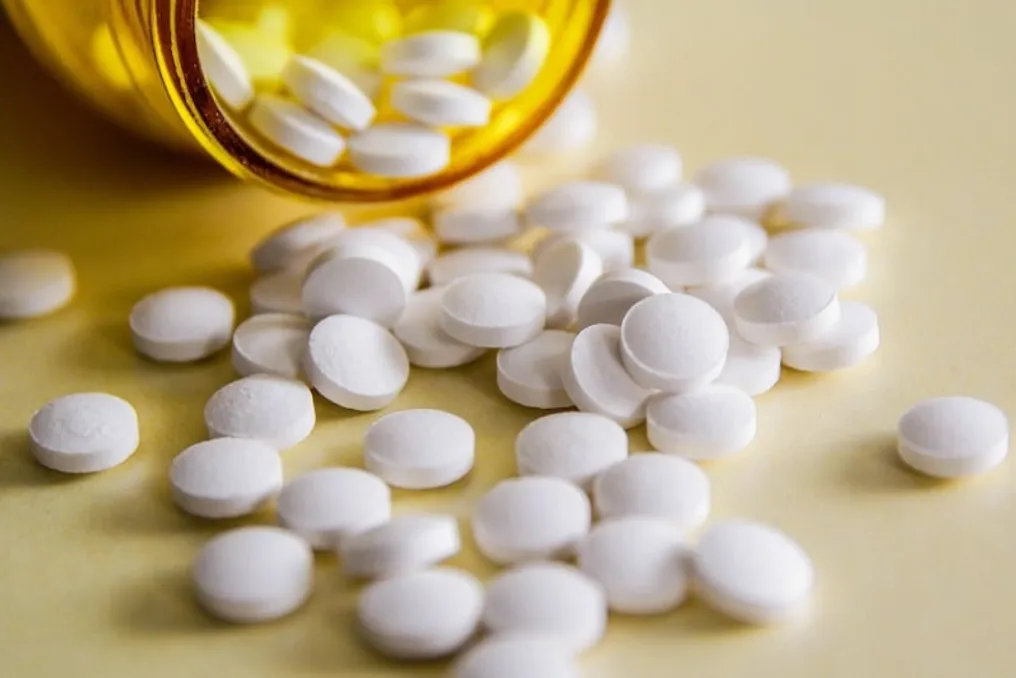
Currently, many people take pain relievers on their own without consulting a doctor. While a single use of medication is acceptable, regular intake of painkillers can cause problems for the kidneys, especially if the person already has kidney diseases. It is important to note that the effect of painkillers on the kidneys is not always immediate; sometimes it takes some time, but during this period, certain signs may appear in the body.

According to doctors, there is a significant increase in the use of common analgesics such as ibuprofen and diclofenac. These drugs are often used for knee, lower back, and back pain. However, they can reduce the kidneys' ability to filter blood, leading to a condition known as acute kidney failure. This problem may manifest several hours or even months after starting the medication.

Dr. Himanshu Tiwari from the nephrology department at Sar Gangaram Hospital in Delhi told Aajtak.in about this issue. He noted that he is approached by patients with kidney function disorders, some of whom take high doses of painkillers for many months, which is confirmed by medical data.

Dr. Tiwari emphasized that taking painkillers as prescribed by a doctor in established doses is safe. However, excessive use of these drugs without specialist consultation and without determining the true cause of the pain harms the kidneys, and the risk increases with prolonged use. In most cases, the damage caused by painkillers is also detected in the body.

Initially, there are often no obvious signs of kidney damage. Some people may experience symptoms such as decreased urine output, swelling in the legs or face, and general fatigue. Although these signs can be related to other diseases, if you are taking painkillers, you should not ignore them and should consult a nephrologist.

People suffering from chronic kidney disease, diabetes, or high blood pressure should exercise extra caution when using these medications. The risks also increase for the elderly and those suffering from dehydration due to vomiting, diarrhea, fever, or insufficient fluid intake.

It is important not to take medication on your own initiative. If pain occurs regularly, you must see a doctor to determine its root cause. If necessary, the doctor can check kidney function using creatinine and eGFR blood tests. Before taking medication with an existing kidney disease or another serious problem, specialist consultation is mandatory.

How to make a natural shampoo from reti and amla to fight dandruff and hair loss in winter
Read more
www.aajtak.in

How to make a natural shampoo from reti and amla to fight dandruff and hair loss in winter

During the winter period, due to decreased air humidity and the habit of washing hair with hot water, the scalp begins to dry out. This leads to an increase in problems such as dandruff, itching, and hair loss. Many commercial shampoos can further reduce the natural moisture of hair in cold weather. In such conditions, a natural shampoo made at home from reti and amla is an accessible and traditional alternative.

Reti helps cleanse the scalp, while amla is known for nourishing and adding shine to hair.

Ingredients:

To prepare, you need dried amla, dried reti (after removing seeds), and water as needed. Shikakai or fennel seeds can also be used (optional).

Preparation Method:

First, soak the reti and amla in clean water overnight. The next day, bring the mixture to a boil over low heat for 10–15 minutes. After cooling, thoroughly mash the reti by hand so that the extract and foam enter the water. Then, strain the resulting mixture and pour it into a clean bottle. This mixture can be stored in the refrigerator for several days.

Instructions for Use:

Apply the prepared remedy to wet hair and scalp, moistened with warm or regular water, and gently massage. Rinse after a few minutes. Since the shampoo is natural, it does not produce as much foam as commercial products. It is important to avoid washing hair with very hot water in winter, and if there are any allergic reactions or serious scalp problems, you should perform a sensitivity test or consult a specialist.

Popular