Mercedes-Benz may face restrictions in the US due to Chinese shareholder participation
Read more
AutoPapo
autopapo.com.br

Mercedes-Benz may face restrictions in the US due to Chinese shareholder participation

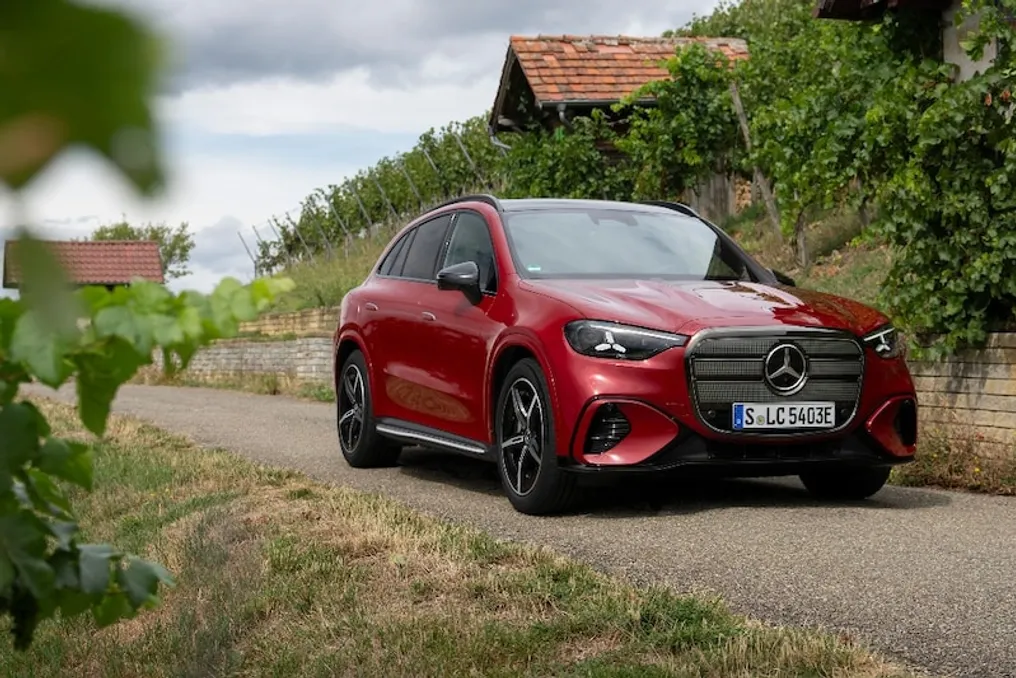
Mercedes-Benz has become the target of the United States Congress due to its Chinese shareholders. The House Special Committee on China requested detailed clarifications from the German automaker regarding its shareholders and technological collaborations in China, according to a document released by Reuters this week.

This document was signed by the committee chairman, Republican John Moolenaar, and the group's leading Democrat, Ro Khanna. For these legislators, the participation of Chinese investors, who hold approximately 20% of Mercedes' shares, constitutes national security risks.

The Chinese state-owned enterprise BAIC owns nearly 10% of the company, and another similar stake belongs to Li Shufu, who is the chairman of Geely. The committee demands answers to about twenty questions by December 1st and also requested a meeting with Jason Hoff, president of Mercedes' operation in the United States.

Mercedes itself stated that it will cooperate with the investigations and that its operation occurs autonomously. The company argues that its shareholders do not have seats on the board of directors or management power.

This pressure comes at a time when Congress is debating a bill aimed at prohibiting the sale of vehicles from companies with over 15% Chinese capital. This text, proposed by Senator Bernie Moreno, a Republican, and Elissa Slotkin, a Democrat, was approved in July by the Senate Commerce Committee.

In its current form, the legislation would affect Mercedes, which manufactures SUVs in Alabama. However, Moreno mentioned that the final version will ensure the brand can continue selling in the US and expressed the intention to vote on the bill this week. There are also ongoing discussions to allow the sale of Volvo, which is controlled by Geely.

The United States has already implemented barriers against Chinese manufacturers. A regulation established in early 2025 during the Biden administration effectively prevents them from selling or producing passenger cars in the country, under the justification that they could transmit driver data to China. Furthermore, Chinese electric cars are subject to import tariffs exceeding 100%.

In contrast, there are no similar restrictions in Brazil. Geely, owned by Li Shufu, acquired 26.4% of Renault do Brasil in 2025 and has access to the French brand's factory located in São José dos Pinhais, Paraná.

Similar stories

Tariffs and Chinese Competitors Negatively Affect Mercedes-Benz Revenue
Read more
uza.uz

Tariffs and Chinese Competitors Negatively Affect Mercedes-Benz Revenue

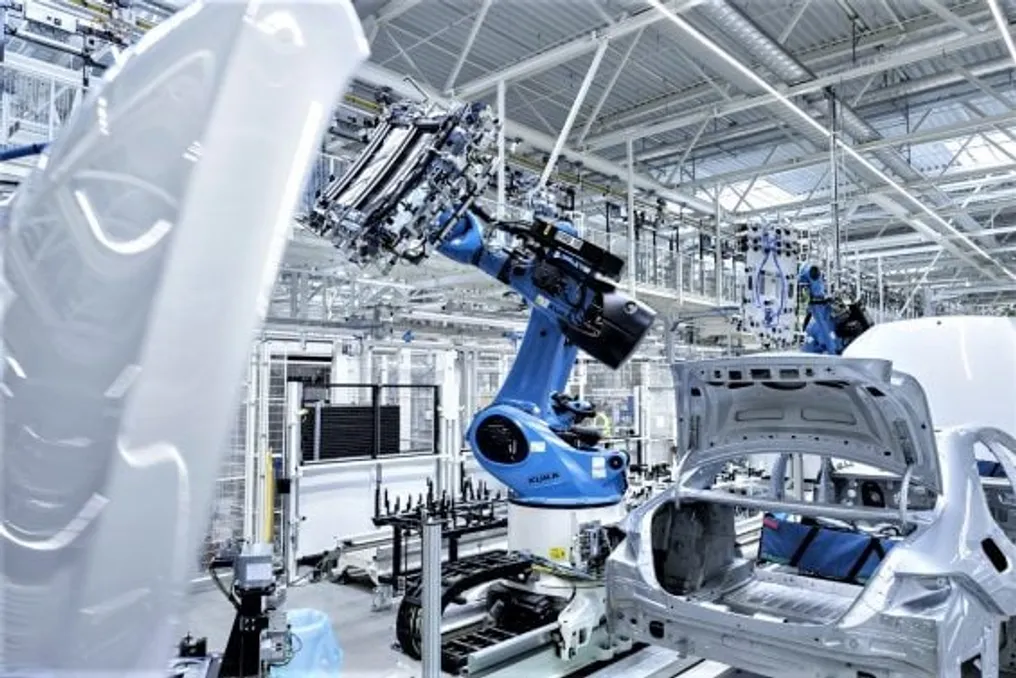
US tariffs and Chinese competitors are negatively impacting the revenue of Mercedes-Benz. As a result, Mercedes-Benz has decided to temporarily halt new investments in its factories in Germany.

Furthermore, the company intends to more deeply explore options for closing its facilities or relocating production to other countries.

Mark Carney threatens to use Chinese manufacturers if US negotiations fail
Read more
noticiasaominuto.com

Mark Carney threatens to use Chinese manufacturers if US negotiations fail

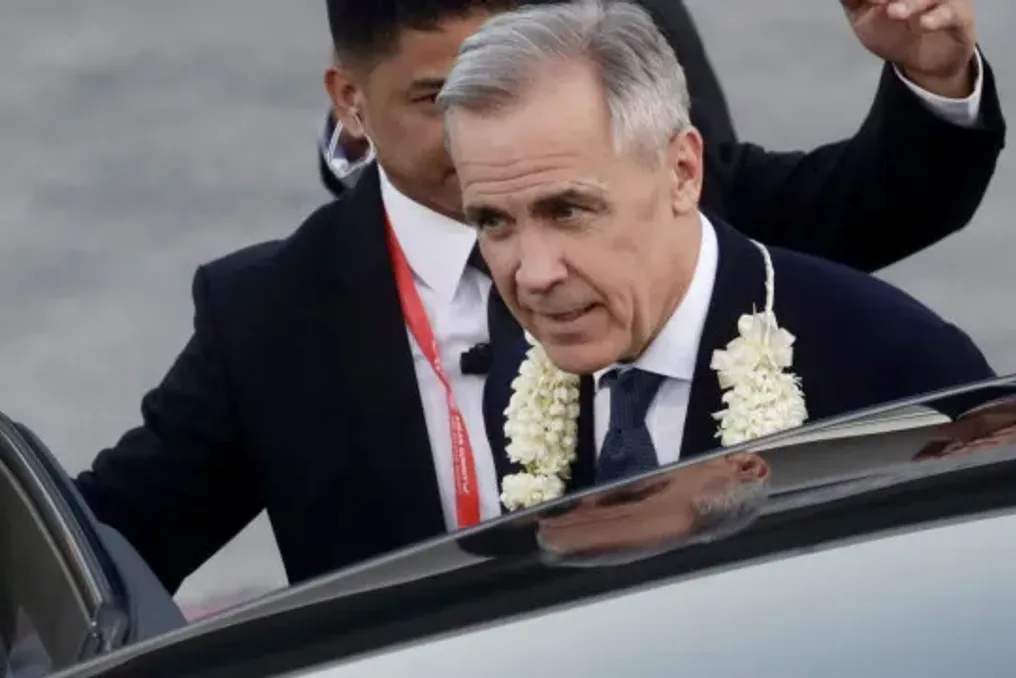
Canada's Prime Minister Mark Carney stated that Canada could turn to Chinese automakers if trade talks with the United States fail to preserve the integrated North American automotive industry.

Carney made these statements today in the Cambodian capital, Phnom Penh, ahead of a planned meeting with Chinese President Xi Jinping this week in Shenzhen, southern China, where Chinese auto production is set to be discussed.

In January, the two leaders reached an agreement allowing tens of thousands of Chinese electric vehicles to be imported into Canada at reduced tariffs.

Carney told journalists: 'We have the best automotive workers in the world, and we want them to be fully employed in all capacities in the integrated North American market.' He added that 'this market has become less integrated due to US trade measures.'

On Saturday in Manila, Carney said that any trade agreement with Washington must guarantee a viable automotive industry for Canada. Today he clarified that talks with the US remain a priority, but the outcome may determine whether Canada seeks alternatives involving European, Chinese, or Japanese automakers.

When asked whether potential Chinese investment is a bargaining chip in US negotiations, Carney replied: 'It is not a bargaining chip. It is a reaction and an action.' He stressed: 'If they are not fully utilized in the North American context, it opens up other opportunities,' referring to Canadian automotive workers and production assets. He concluded: 'Canada will move forward either way.'

'The Detroit Big Three'—Ford, General Motors, and Stellantis—have factories in Canada, the US, and Mexico, with parts sometimes crossing borders multiple times before the vehicle is completed.

US President Donald Trump has repeatedly pressured automakers to move production from Canada to the US. Carney noted that any Chinese investment must involve substantial production in Canada, not just the assembly of imported parts.

The head of government stated that this would require proper labor standards, production capacity, and national supply chains that would expand over time, including Canadian critical minerals used in electric vehicles. Carney emphasized: 'This is not just about car kits. There must be a manufacturing component involved.'

Under the January agreement, Canada lowered the tariff on Chinese electric vehicles from 100% to 6.1%, which initially allowed the import of up to 49,000 vehicles per year, with the maximum limit increasing over time. In return, China agreed to lower duties on Canadian agricultural products, including rapeseed.

Carney had expressed hope at the time that this agreement would attract Chinese investment into the Canadian automotive industry and create jobs. However, the agreement drew criticism from Ontario Premier Doug Ford, whose province is a hub of the Canadian automotive industry. Ford warned that allowing Chinese EVs into Canada could jeopardize Canadian jobs and undermine access to the US market.

Tariffs imposed by Trump disrupted the Canadian automotive industry, which relies heavily on cross-border production. Recently, Canada threatened to sue Stellantis after the manufacturer moved planned Jeep Compass production from Brampton, Ontario, to Illinois and agreed to sell its inactive Canadian assembly plant.

Carney reported on Saturday that he had spoken extensively with Trump and high-ranking American officials, and that both countries are making progress toward a possible trade agreement, although some disagreements remain.

Mercedes-Benz suspends investments in German factories and considers closing production facilities
Read more
www.aajtak.in

Mercedes-Benz suspends investments in German factories and considers closing production facilities

The German automotive sector continues to face crisis issues. Mercedes-Benz has decided to halt investments in all its facilities in Germany and is now considering options for closing some production sites in the country.

According to a recent Reuters report, this information was obtained from a memorandum issued to Mercedes-Benz employees on Thursday. The agency reported that the decision was made due to rising costs of car production in Germany and the need to reduce labor expenses, as union representatives failed to reach an agreement.

The dialogue between company management and the works council regarding cost reduction did not yield results, prompting Mercedes-Benz to freeze investments across all plants. This was stated by Michael Siebe, the company's head of production.

He specified that management jointly decided to suspend further investment in all German factories. According to Reuters, Siebe had warned staff back in September, stating that if a decision on cost reduction was not made, two German plants could be closed.

Nevertheless, board member Britta Sieger indicated in the memorandum that Mercedes-Benz strives to avoid factory closures at all costs, but the company is now considering this option more seriously. This decision comes during a difficult period for the German automotive industry.

Previously, Volkswagen developed a major restructuring plan that could lead to job losses and the closure of several plants, affecting around 100,000 workers. Consulting firm Roland Berger predicts that at least two hundred thousand jobs could disappear in the German auto sector by 2030.

Furthermore, China is no longer a high-profit market for German cars, while Chinese companies are actively gaining positions in the European market, which also affects German corporations. It should be noted that Germany is an internal market for Mercedes-Benz.

Popular