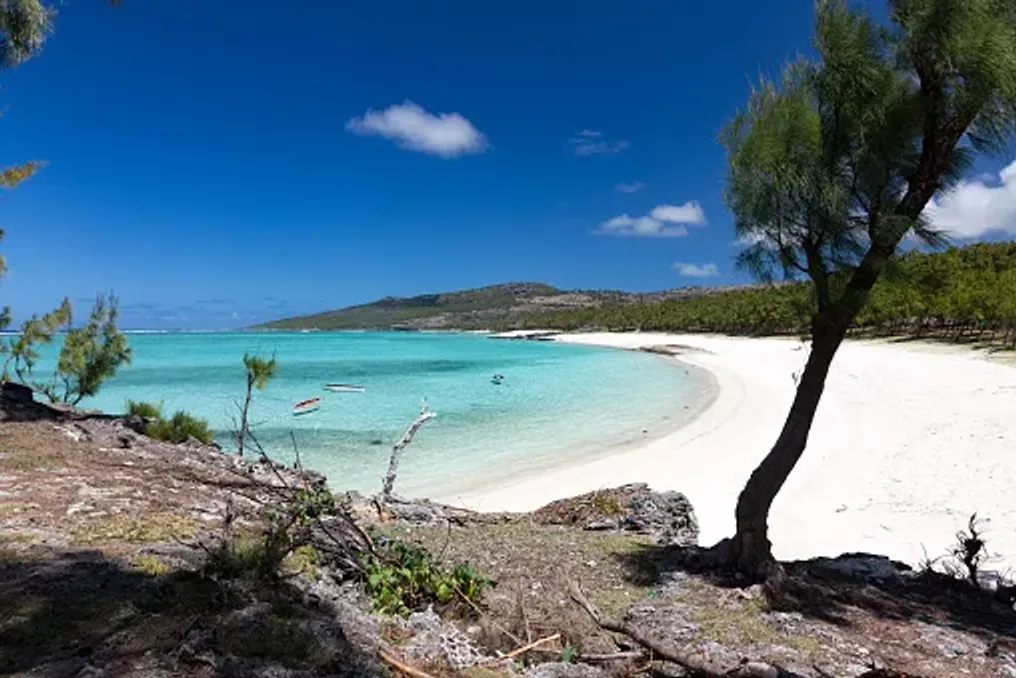
The Pacific Ocean is often associated with white sandy beaches, turquoise lagoons, and palm-fringed resorts. However, behind these familiar postcard scenes lies a multitude of islands shaped by volcanic activity, ancient forests, complex reef systems, and outstanding biodiversity. From the smoking volcanic landscapes of Vanuatu to the limestone formations of Palau and the remote mountain ranges of French Polynesia—these islands offer a different perspective on the region.
For nature enthusiasts, the Pacific Ocean presents an invitation to slow down and explore its ecosystems more thoughtfully. Guided forest tours, community-managed conservation projects, marine sanctuaries, and local tours provide opportunities to appreciate these ecosystems while supporting the people who protect them.
Below are seven islands and island groups where nature takes center stage.
Few destinations showcase the geological diversity of the Pacific Ocean as vividly as Vanuatu. On Tanna Island, located in the southern province of the country, Mount Yasur dominates. This active volcano has been erupting for centuries, creating a dramatic landscape of ash-covered slopes and volcanic terrain. Visitors can witness its activity during organized tours, although access depends on current volcanic conditions and official safety recommendations.
Tanna also has a softer side. Its western coast is dotted with coral reefs and the stunning Blue Cave, while the interior contains tropical vegetation and massive banyan trees.
A flight north brings travelers to Espiritu Santo, the largest island in Vanuatu, where the landscape changes dramatically. The main attractions here are freshwater pools known as blue holes. Located amidst dense vegetation, sites like Nanda Blue Hole and Matevulu Blue Hole offer insight into the island's freshwater ecosystems. The island also features limestone caves, jungle trails, and beaches, making it appealing to those wishing to explore beyond the coast.
Savai'i, the largest island of Samoa, offers a fascinating blend of tropical forest, waterfalls, and volcanic formations. Being less populated than its neighbor Upolu, the island has retained much of its traditional character and allows visitors to experience Samoa's natural environment at a more relaxed pace.
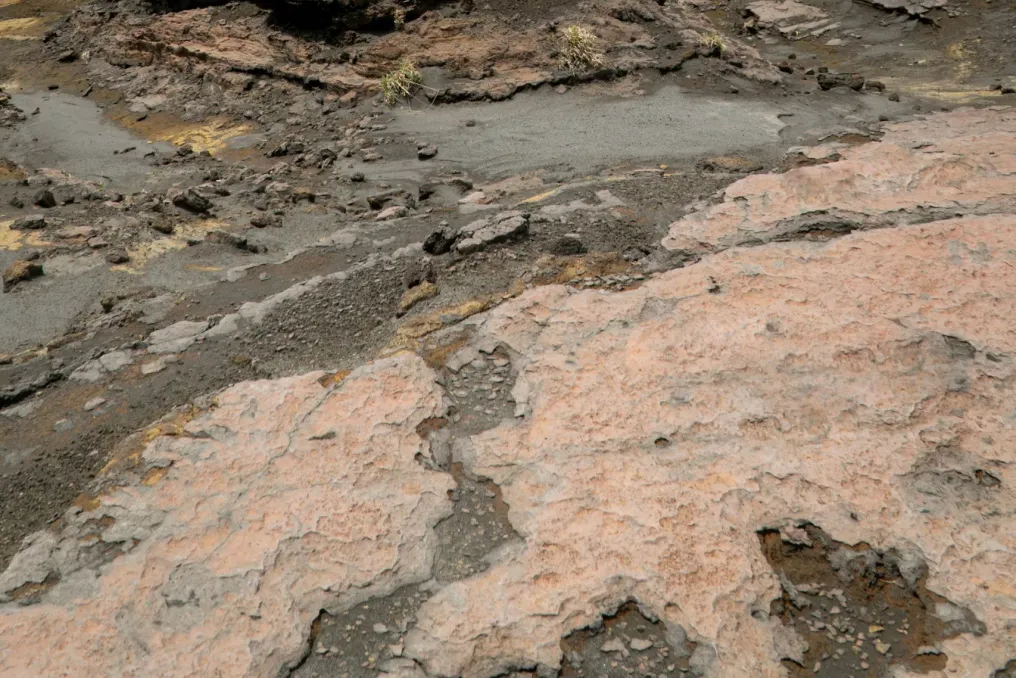
The lava fields of Salelau demonstrate the island's volcanic past. They were formed by an early eruption of Mount Matavanu in the early 20th century; the solidified lava stretches across the landscape, engulfing parts of former villages and leaving an unusual geological environment.
Further inland, the tropical forest around Mount Sisili, Samoa's highest peak at 1,858 meters, serves as a habitat for local bird and plant species. Visitors can organize hikes through the mountainous terrain, and the Afu Au waterfall provides a refreshing stop where water cascades from the forest into a natural bathing pool. Along the coast, the Alofaaga sea stacks demonstrate the power of the Pacific Ocean, as waves push seawater through openings in the volcanic rock.
Although Fiji is famous for its beaches, Kadavu Island offers a particularly valuable underwater experience. Surrounded by the Great Astrolabe Reef, one of the world's largest barrier reef systems, the island is a destination for snorkelers and divers interested in marine biodiversity.
The reef runs along the southern coast of Kadavu and supports an abundance of marine life, including colorful reef fish, manta rays, and larger pelagic species. Naikoroa Passage is a particularly important conservation zone where fishing restrictions help protect marine populations.
Above water, the interior of Kadavu is covered in tropical forest, with scattered hiking trails, waterfalls, and traditional villages across the island. Community-managed marine areas also play a vital role in environmental protection. Supporting local tours and adhering to village protocols are significant ways visitors can contribute to these conservation efforts.
The Rocky Islands lagoon in the south is one of the most unique natural landscapes in the Pacific Ocean. Located in Palau, this UNESCO World Heritage site comprises 445 uninhabited limestone islets surrounded by turquoise lagoons and extensive coral reef systems.
From above, these islands resemble clusters of green mushrooms scattered across the ocean. Their unusual shapes were formed by geological processes and erosion, and the surrounding waters support exceptional marine habitats. Kayaking through protected lagoons, snorkeling over coral gardens, and exploring selected marine lakes are among the ways to experience this environment. This area is home to over 385 species of coral, as well as dugongs, sharks, and numerous other marine animals.
Conservation is a central element of visiting the Rocky Islands. Travelers should use authorized operators, adhere to access restrictions, and avoid touching corals or disturbing wild marine fauna.
For a different kind of wildlife, American Samoa National Park protects an extensive area of tropical forest and marine habitat across three islands: Tutuila, Ofu, and Ta'u. Unlike many national parks, this park extends from volcanic mountain ranges through tropical forest down to coral reefs. The park protects about 9,500 acres of tropical forest and 4,000 acres of underwater habitat.
On land, visitors can follow forest trails, look for local birds, and observe flying bats—large fruit bats that play a crucial role in plant pollination and seed dispersal. In the open ocean, coral reefs serve as a habitat for hundreds of species of fish and coral. Ofu Island is particularly attractive for its beautiful beach and clear lagoon, where visitors can appreciate the marine environment through responsible snorkeling.
The park also offers insight into the relationship between nature conservation and traditional Samoan land ownership. Much of the protected land remains in Samoan ownership, with conservation agreements established in partnership with local communities. Visitors are advised to respect village customs, seek guidance before entering communal areas, and abide by park rules.
Far from the more frequented islands of Bora Bora and Tahiti, the Marquesas Islands archipelago offers a wilder side of French Polynesia. Its dramatic landscapes are characterized by steep volcanic peaks, deep valleys, rugged coastlines, and dense vegetation.
These islands are especially important for their biodiversity. In 2024, Te Henua Enata, Marquesas Islands, was recognized as a UNESCO World Heritage site due to its exceptional combination of natural and cultural heritage. The archipelago is an important center of endemism, meaning many of its plant and animal species are found nowhere else. Its ecosystems include tropical cloud forests, rare coastal vegetation, and important seabird habitats.
On Nuku Hiva and Hiva Oa, visitors can explore the mountainous interiors, follow trails through valleys, and visit remote coastal settlements. The surrounding waters are equally remarkable. Unlike many tropical destinations in the Pacific, the Marquesas lack extensive coral reefs found elsewhere, but their nutrient-rich waters support impressive marine biodiversity, including dolphins, rays, and large schools of fish.
Given the ecological and cultural significance of the archipelago, it is crucial to travel with local guides and respect protected areas.
The natural environments of the Pacific Ocean are among its greatest attractions, but they are also under pressure from issues such as climate change, habitat degradation, and unsustainable tourism. Travelers can contribute through relatively simple actions: choosing local tours, sticking to marked trails, avoiding touching or standing on corals, and never feeding or harassing wildlife for photographs. When visiting villages or community-managed reserves, local customs and access rules must be respected.
It should also be remembered that these islands are living habitats and homes to communities whose traditions and livelihoods are closely tied to the land and sea. Taking time to understand this connection adds another dimension to nature-focused travel.
From volcanic craters and ancient lava fields to canopies of tropical forests and protected coral reefs—the Pacific Ocean offers far more than just a beautiful beach. Its islands serve as a reminder of the incredible diversity of the natural world and the importance of protecting it for future generations.