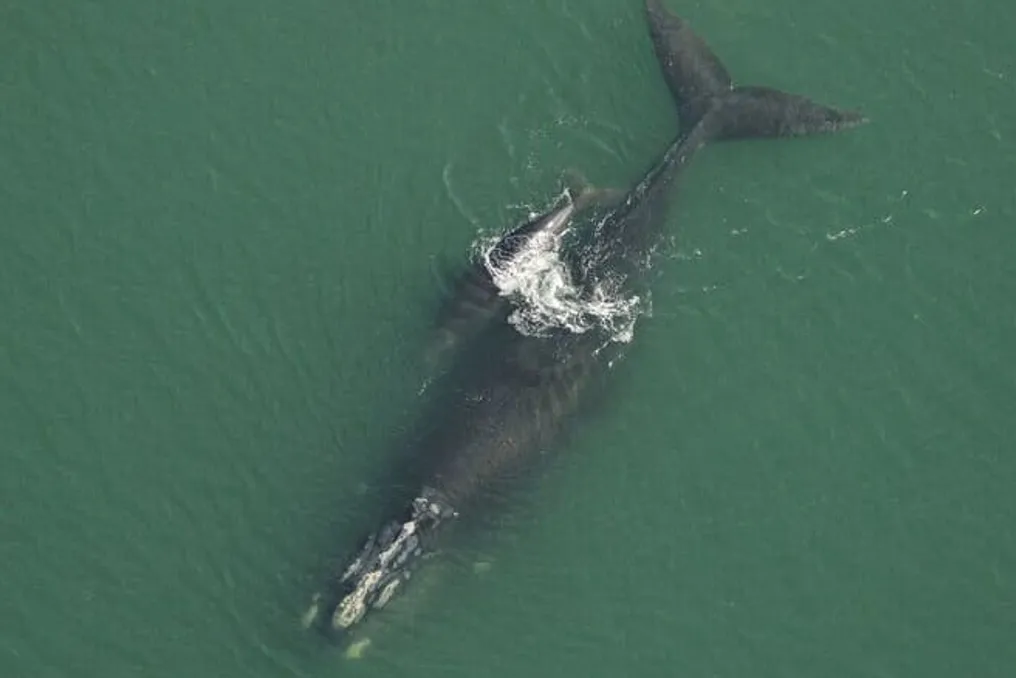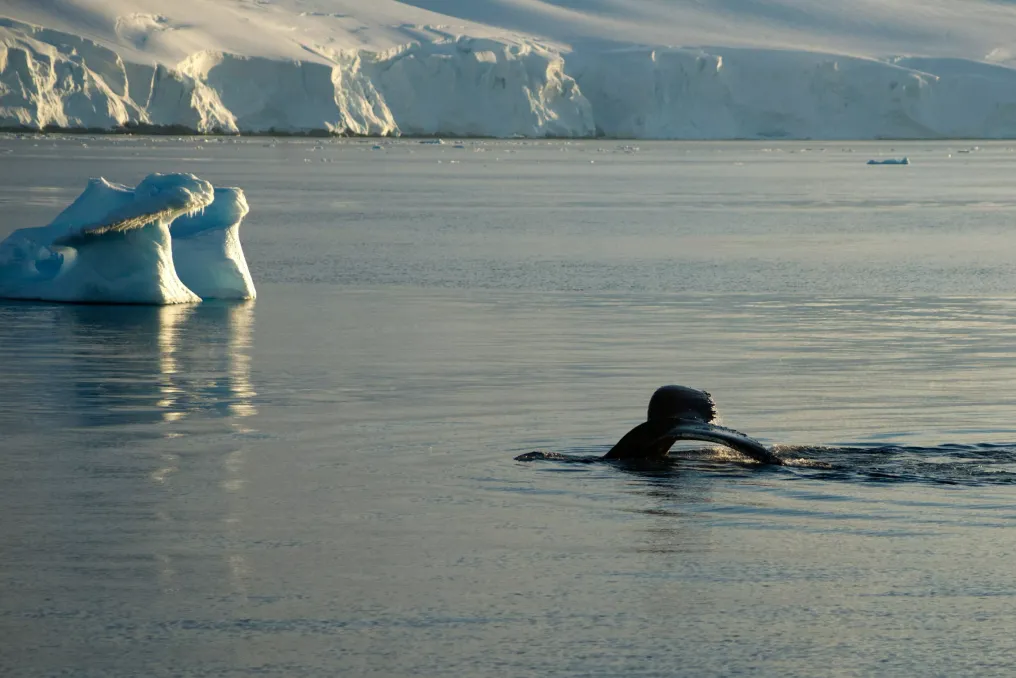
For many decades, the Southern Ocean contained only a small fraction of the antipodal blue whale population that previously fed in these waters. According to researchers' estimates, there were about 4018 such giants in the ocean in 2024, which is significantly more than the approximately 418 individuals registered after the last recorded catch in 1973.
Despite this growth, the population still accounts for only 1.9% of the estimated size before commercial whaling began. This figure demonstrates how vast the whale population was in these waters and the path they still have to travel to restore their numbers.
In the 20th century, antipodal blue whales were the main target of commercial whalers. Although the International Whaling Commission banned hunting them in 1964, Soviet fleets continued to illegally hunt these animals. By the time of the last reported catch in 1973, whaling had destroyed an estimated 99.8% of the population.
Currently, it is estimated that the whale population is growing by about 4.5% annually. Population recovery requires time for an animal that typically gives birth to one calf every two to three years. Antipodal blue whales remain a critically endangered species.
Despite their enormous size, antipodal blue whales are difficult to spot from a ship because they spend little time near the surface, and the Southern Ocean is a vast area for researchers to survey.
To reconstruct the picture of changes over time, scientists combined old whaling records with data from multi-year ship surveys and photographs used to identify individual whales. During these surveys, ships followed established routes, and observers recorded the locations and distances of whale surfacing. These distances helped researchers estimate the density distribution of whales in the surveyed waters.
There is a valid reason to worry about the fate of these giants even in parts of the ocean that are rarely visited. When a whale dies and sinks, its body can become food for an entire community of deep-sea animals. After decades of protection, thousands of additional antipodal blue whales have appeared in the Southern Ocean. Monitoring their numbers will help researchers understand whether this recovery will continue as the ocean changes.