Linea is a Layer 2 network developed by ConsenSys, aiming to make Ethereum faster and more accessible through zk-rollup technology. This network allows users to benefit from low fees while maintaining the security inherent to Ethereum. The Linea airdrop is designed to reward early users who supported the network up to the snapshot date. This guide explains the essence of Linea, the principle of its token, the roadmap, and the procedure for claiming the airdrop until December 9, 2025.
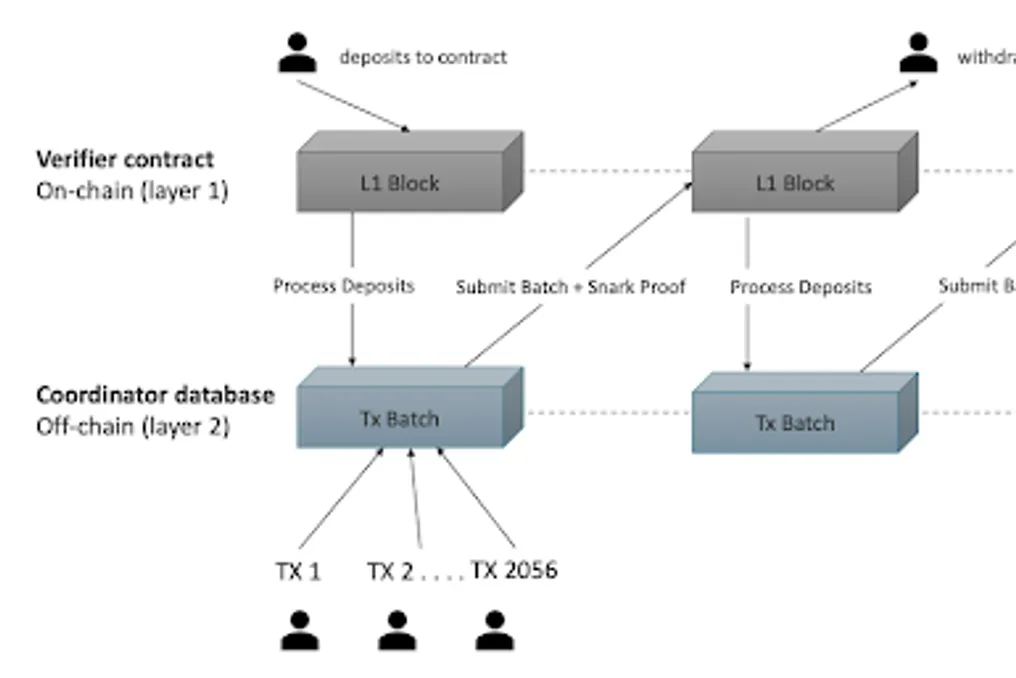
The Layer 2 network Linea was created to support the growth of Ethereum. It utilizes zk-rollups—a method that executes transactions off-chain before submitting a proof to Ethereum. This approach ensures speed, efficiency, and network security. Users can conduct cheaper operations while avoiding long confirmation waits.
Linea's compatibility with EVM provides significant advantages to developers. It allows for the deployment of Ethereum smart contracts with almost no changes, creating a seamless migration path. This direct compatibility saves time and reduces development costs.
ConsenSys, the company behind Infura and MetaMask, is the developer of Linea. Because millions of people have already used these technologies, Linea benefits from robust infrastructural support. Standard support for Linea in MetaMask simplifies user connection and interaction with the network.
Linea scales Ethereum using zk-rollups by batching numerous transactions off-chain. It then sends a single summary to Ethereum, which is secured by a Zero-Knowledge Proof (ZKP). This proof verifies the validity of every transaction in the batch while preserving privacy.
The network relies on zk-SNARKs (Succinct Non-interactive Argument of Knowledge). zk-SNARKs make proofs compact, fast to verify, and require no message exchange. This supports verification efficiency even for large batches of transactions. Since zk-SNARKs are compact and fast, Linea can process more transactions at a lower cost while maintaining Ethereum-level security. This method enables near-instant withdrawals, unlike optimistic rollups, which often require a seven-day delay.
For developers, zk-rollups simplify dApp creation by eliminating the need for complex dispute systems. This improves the experience for DeFi protocols, NFT platforms, and games that require fast and final confirmations.
Linea is led by experienced specialists in blockchain and artificial intelligence. Joseph Lubin, a co-founder of Ethereum, is the founder of Linea. The team also includes Rob Dawson (CTO) and Chris McKibbin (COO). Their expertise ensures that Linea develops in the right direction and aligns with the mission of Ethereum.
The network uses the LINEA token, built on Ethereum. The total supply is 72,009,990,000 LINEA. Unlike most projects, there is no distribution planned for insiders or investors. The token model is focused on ecosystem and user growth: it rewards early supporters and incentivizes long-term adoption.
Major investors who have invested over $725 million in ConsenSys, which supports Linea, include Microsoft, Coinbase Ventures, SoftBank, Temasek, and Animoca Brands. This substantial backing ensures financial stability.
The non-profit Linea Association in Switzerland is responsible for governance. It oversees the treasury, decentralization, and protocol development. Among its partners are Ethereum-native companies such as Status, Eigen Labs, and ENS.
Revenue sources include protocol transaction fees and ETH staking income. Since a portion of the fees is burned, the token concept is deflationary and aligns with the Ethereum business strategy.
Linea's development roadmap is divided into five phases, which the team plans to implement sequentially in collaboration with the Linea community and ecosystem.
Phase 0 began with the launch of Linea Mainnet Alpha. The network introduced its zkEVM, allowing developers to migrate dApps from Ethereum without changing smart contracts. The Linea Security Council was also established to oversee network security and risk management using a multi-signature security contract. Client software for running a local node was publicly released, giving users greater opportunities for independent transaction verification and reducing reliance on operators.
Phase 2 will focus on governance improvements and censorship resistance. Qualified users can claim tokens by following these steps: after September 10th, click the claim button, approve the transaction, and pay a small fee in ETH. Once confirmed, LINEA tokens will appear in the user's wallet.
To prevent phishing attacks, users should always visit the official website. Tokens will be returned to the ecosystem fund if not claimed by December 9, 2025.
The verification process became available on September 3, 2025, marking the start of the Linea Token Generation Event (TGE), which allowed users to confirm their eligibility before the claiming period. The official claim window opened on September 10, 2025, and will remain open until December 9, 2025, at 23:59 UTC, constituting a ninety-day claiming period. The countdown starts not from the wallet binding moment, but from the activation of the claiming procedure.
The Linea Consortium Ecosystem Fund will return any remaining tokens after the deadline to finance the growth of the Ethereum and Linea ecosystems.
Linea appears to be one of the most user-friendly Ethereum Layer 2 networks. Its design prioritizes the interests of real users and creators over those of insiders or venture capitalists. The Linea airdrop rewards early sponsors and encourages them to continue expanding the ecosystem. The network is supported by ConsenSys and reliable Ethereum partners, lending it legitimacy and resources for sustainable development. Even those unfamiliar with Layer 2 networks find its integration with MetaMask and Infura simple to use.