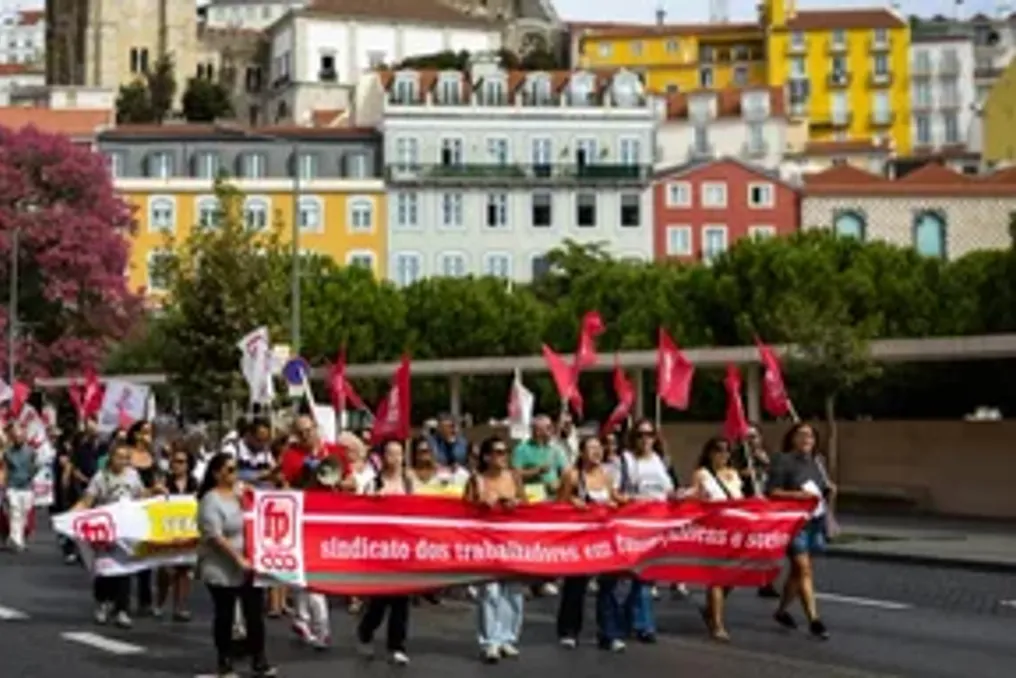
Public sector unions begin new round of negotiations with Government on salary increases
Read more
RTP Noticias
rtp.pt

Public sector unions begin new round of negotiations with Government on salary increases

Three public sector unions—Fesap, Frente Comum, and STE—are demanding that the Government increase salaries for 2027 beyond what is stipulated in the long-term agreement. This agreement provides for a 2.30% salary increase, with a minimum amount of 60.52 euros in 2027, to compensate for accelerating inflation.

According to the current agreement, the meal allowance, which is currently 6.15 euros, should be increased by 15 cents annually until 2029. In addition to labor payments and the meal allowance, the topics under discussion in the negotiations include bonuses and the revision of general public career ladders.

At the last meeting, held on November 12, the Government presented three representative bodies of the state administration with a proposal to increase bonuses and travel expenses by 5% starting in November, to account for the impact of travel-related costs.

The Ministry of Finance emphasized that the Government is 'fully committed to implementing the Long-Term Agreement on increasing the value of public administration workers for the period 2026–2029,' which covers 'more than 350,000 workers in 39 special careers that will be significantly evaluated.' The communiqué also indicated that the executive branch maintains the 'promised deadlines' within the agreement, 'with a special focus on general careers and the development of the new performance management system (SIADAP).'

Nevertheless, the Government gave no indication that it could go beyond the planned salary increases for next year, as demanded by the public sector unions.

Following the last meeting, the union structures expressed regret that the Government did not respond to the demands for a 2027 salary increase. Fesap accused the executive branch of mixing 'the tree with the forest' but remained hopeful for an improvement in the agreement.

The coordinator of Frente Comum accused the executive branch of 'inflexibility' for not presenting a 2027 salary increase proposal above the established level, stating that bonuses in the public administration concern 'a minority of workers.'

Meanwhile, the president of STE stated that she understood the Government's argument regarding budget impact related to career revisions, but reminded that 'who does not have a revised career only has the increase provided in the agreement.'

Fesap, affiliated with UGT, proposes raising the basic public service salary to 1,050 euros in 2027, corresponding to a minimum increase of 6.5% or 95 euros for all workers, and increasing the meal allowance to 10 euros per day.

STE, also affiliated with UGT, demanded a pay increase of more than 5%, in addition to the 2.3% or 60.52 euros stipulated in the long-term agreement, and an acceleration of the meal allowance increase scheduled for 2028 so that it rises to 6.45 euros next year.

Frente Comum, representing CGTP, advocates for a salary increase of at least 15%, with a minimum amount of 150 euros for all workers, and an increase in the meal allowance to 13 euros.

During a speech in parliament on Wednesday, the Secretary General for Public Administration stated that the Government would continue to implement the long-term agreement signed with Fesap and STE, closing off the possibility of going beyond what the unions demand.

Marisa Garrido also mentioned the technical assignment for 2027, promising 'career restructuring and status enhancement for security forces,' as well as the revision of SIADAP and general career ladders.
Similar stories

Tehran and Moscow plan to hold joint ICT working group in 2027
Read more
www.tehrantimes.com

Tehran and Moscow plan to hold joint ICT working group in 2027

Iranian and Russian officials have reached an agreement to hold the sixth meeting of the joint working group on information and communication technologies (ICT) in the first quarter of 2027. This decision is part of efforts to strengthen bilateral cooperation in this area.

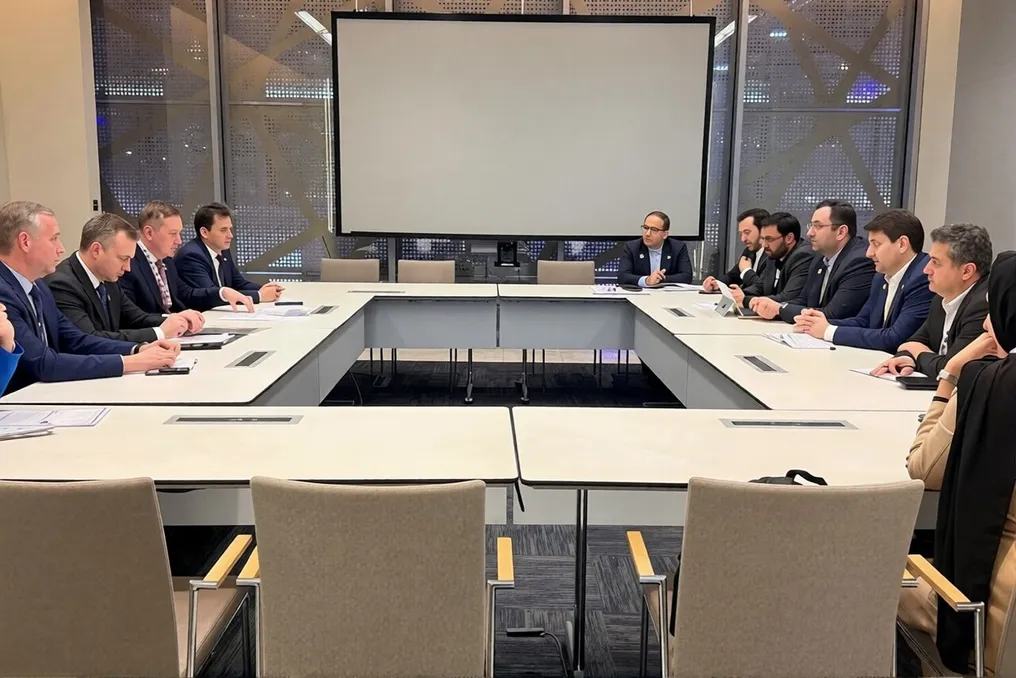
ICT Minister Sattar Hashemi and Deputy Minister of Digital Development, Communications and Mass Media of Russia Grigory Borisenko met during the International Telecommunication Conference (PP-26), which is taking place in Doha, Qatar, from November 9 to 27. Key issues were discussed during this meeting.

Hashemi proposed a specialized forum involving technology companies from both countries, studying the possibility of creating a joint IT park, and expanding cooperation in cybersecurity. He emphasized that the sixth joint working group would allow monitoring the implementation of joint projects.

The Russian official welcomed these proposals, noting the importance of continuous interaction and developing specialized cooperation in the ICT sector between the parties. Borisenko highly praised Iran's position and support in international forums, stating that cooperation within the ITU, BRICS, and SCO provides great opportunities for realizing common interests.

It should be noted that the fifth meeting of the joint working group of Iran and Russia on ICT took place in Moscow from December 6 to 7, 2025.

International Telecommunication Conference

The Conference is the main governing body of the ITU and serves as an authoritative mechanism for making decisions regarding the organization's strategic and financial plans, leadership, and overall direction. Held every four years, the Conference (also known as 'Plenipot' or 'PP') approves the common positions of ITU member states worldwide. PP-26 calls for countries to work 'Together for a Connected Digital Future.'

Delegates from 194 ITU member states will consider the world's most pressing digital challenges and opportunities, define the UN agency's strategic vision until 2031, and elect its leadership for the next four years. It is expected that critically important collective issues will be addressed at the conference, such as expanding global connectivity and investment, increasing the resilience of digital infrastructure, ensuring reliable emergency and humanitarian communications, promoting space connectivity and sustainability, and utilizing new technologies for development.

PP-26 includes an extensive Ministerial Level Programme with high-level thematic discussions on sustainability and new technologies, providing senior executives with a platform to exchange views, showcase national achievements, and solve common problems. The Conference also supports significant participation of women and youth through special events dedicated to inclusivity and accessibility in the digital transformation agenda.

ITU member states will elect the organization's top management, as well as members of the ITU Council and the Radiocommunication Sector. Furthermore, member states will agree on the organization's strategic and financial roadmap for the period from 2028 to 2031.

The Iranian delegation, led by the ICT Minister, is attending the conference to strengthen technological diplomacy, bilateral and multilateral cooperation, and promote the country's interests in global governance of information and communication technologies. Meetings are planned during the visit with colleagues and high-ranking officials of member states to explore cooperation opportunities in advanced technologies and the digital economy.

Third Russia-Iran ICT Forum

In October, leading Iranian and Russian companies explored ways to expand bilateral cooperation in advanced technologies at the Third Russia-Iran ICT Forum. This forum gathered officials, diplomats, and representatives of the public and private sectors of both countries. Participants met on the sidelines of the Second Global Digital Forum, which was held in Moscow from October 8 to 10.

During the meeting, Alexander Shoytov, Deputy Minister of Digital Development, Communications and Mass Media of Russia, noted that the participation of Iranian companies in the Global Digital Forum provided a valuable opportunity for information exchange and establishing new partnerships. He emphasized that Iran and Russia possess significant potential for expanding bilateral cooperation, especially in the fields of artificial intelligence and cybersecurity. Shoytov also confirmed Russia's readiness to deepen bilateral ties and develop joint infrastructure in the ICT sector.

For his part, the Iranian Ambassador to Russia, Kazem Jalali, stressed the importance of developing a strategic partnership between Iran and Russia to expand digital exchange within the framework of state regulation. Strengthening ties contributes to enhancing the country's ability to participate in regional and global markets. It was noted that Iranian technology companies possess expertise and knowledge in localizing IT infrastructure equipment, allowing Russian companies to create joint ventures with reliable partners in Iran and gain access to the country's IT market and AI services.

Furthermore, representatives of high-tech companies from Iran and Russia demonstrated their latest achievements and presented comprehensive plans and operational proposals to advance cooperation in advanced technologies. Other key aspects of the Forum included the exchange of best practices and technological solutions, holding B2B meetings, expanding business networks, and seeking opportunities for joint projects. Special attention was paid to practical mechanisms for Russian and Iranian companies to enter new markets and develop cooperation with partners from third countries.

Joint Economic Committee of Iran and Armenia Signs Cooperation Document to Expand Trade
Read more
www.tehrantimes.com

Joint Economic Committee of Iran and Armenia Signs Cooperation Document to Expand Trade

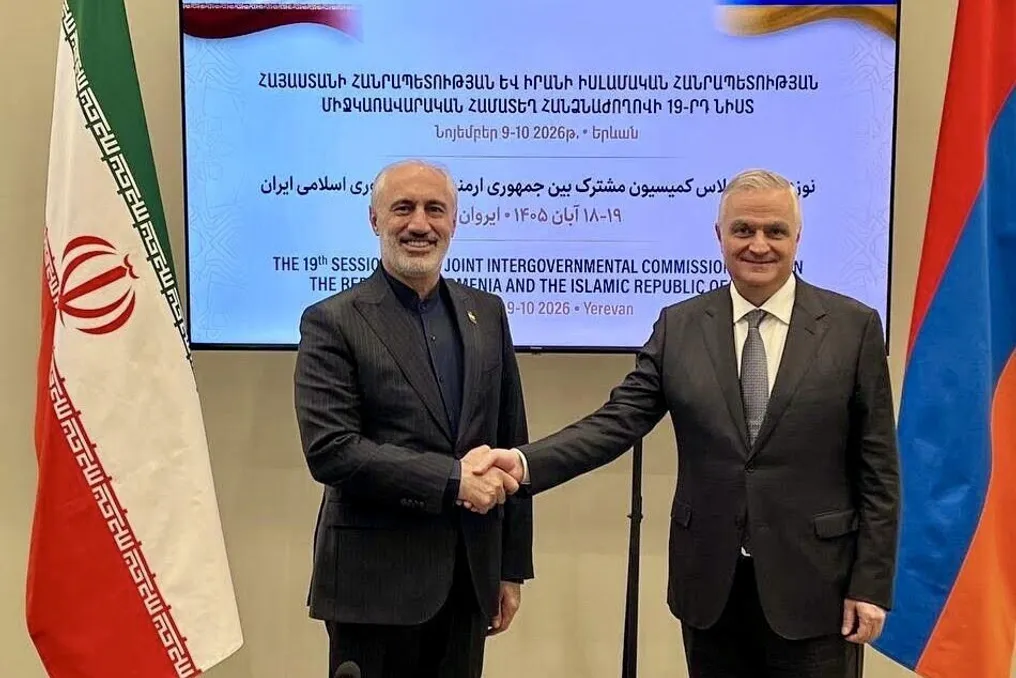
A document on cooperation was signed at the 19th meeting of the Joint Economic Committee of Iran and Armenia, during which Tehran and Yerevan emphasized the need to develop trade ties and economic relations.

According to IRNA, the 19th meeting was held in Yerevan. The document was signed on November 10 by Seyed Hamid Pourmohammadi, Vice President and Head of the Iranian Planning and Budget Organization, and Mikheil Grigoryan, Deputy Prime Minister of the Republic of Armenia.

The main areas of the 19th meeting document include developing interaction between the two states in the fields of transport, energy, infrastructure, and cultural cooperation.

During the signing ceremony, Seyed Hamid Pourmohammadi thanked the Armenian government for organizing the event, as well as all participants of the specialized committees for their efforts. He stated that 'both countries strive to expand relations.'

He added that cultural and social ties between the peoples serve as a foundation for strengthening economic ties between Iran and Armenia. During his visit to Armenia, Pourmohammadi met with economic figures in Yerevan and noted that relations between Iran and Armenia are in a very favorable state, and the governments of both countries are focused on developing these ties.

To facilitate trade between Iran and Armenia, it was decided that the Islamic Republic of Iran will build an additional bridge in addition to the existing bridge across the Aras River. Studies have been conducted, and construction is expected to begin next month.

Pourmohammadi also reported that to improve the route between the countries, in addition to the Tabriz–Norduz highway, the Jolfa–Norduz route is on the agenda and will be ready by the end of the year. Furthermore, the area of both countries' border terminal will be increased, and several hectares will be added to its territory by next year to improve terminal services.

The Head of the Planning and Budget Organization mentioned that to solve the problem of fuel for trucks at the border, a station for Iranian trucks was moved twenty kilometers further from the border to avoid queues. A suitable station for Armenian trucks will also be provided within the next six months.

Emphasizing that the Iranian side is taking many measures to improve operations, he noted that numerous customs procedures are being carried out at the Iranian border, demonstrating Iran's determination to achieve results.

Pourmohammadi also reported negotiations with the director of the Jolfa Free Zone to create a border platform for serving traders.

Currently, 300 trucks cross the Norduz border daily, but Iran aims to increase this number to 500 trucks. He also noted traders' complaints about long queues, business card issues, difficulties with currency obligations settlements, and customs matters. Pourmohammadi assured that he would personally oversee the resolution of any problems reported by the Iranian ambassador in Armenia in this area.

The Vice President concluded that thanks to the measures being taken, the Norduz border will be recognized as the most important and busiest land trade border of Iran within one to one and a half years.

The Vice President and Head of the Planning and Budget Organization, who led the Iranian delegation to the Tehran–Yerevan Joint Economic Committee, met with Mikheil Grigoryan, Deputy Prime Minister of Armenia, during his trip to Armenia, and discussed the development of bilateral relations.

During this meeting, the parties exchanged views on a number of issues related to regional connectivity and noted that strengthening stability, developing economic relations, and eliminating communication barriers will open up new opportunities for the countries of the region.

Mgher Grigoryan, Deputy Prime Minister of the Republic of Armenia, emphasized political trust between Armenia and Iran, an economic agenda based on mutual interests, and a common desire to expand cooperation, which forms a solid foundation for elevating bilateral relations to a new strategic level.

The parties also highlighted the high potential for further development of trade and economic ties between Armenia and Iran, and expressed satisfaction with the growth in trade turnover in recent years.

Popular