Six lessons from African American wine brand owners
Read more
Food For Mzansi
foodformzansi.co.za

Six lessons from African American wine brand owners

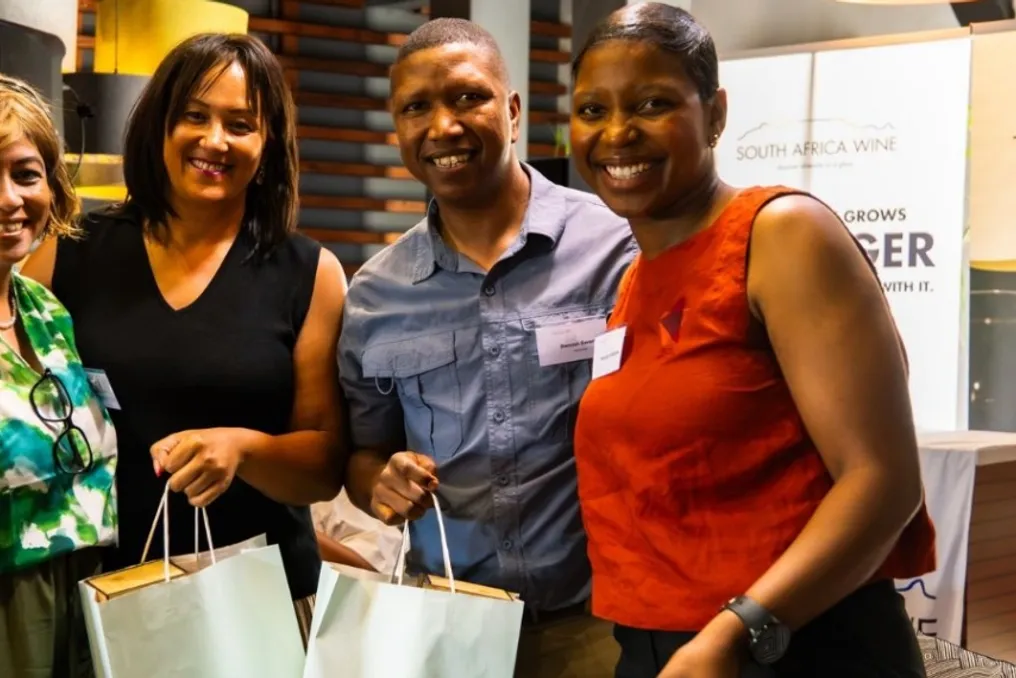
At the Inclusive Growth Indaba 2026 event, organized by South Africa Wine, four viticulture entrepreneurs shared valuable knowledge gained through significant hardships so that others could avoid similar mistakes.

The event took place at The Wine Arc in Stellenbosch and brought together wine brands owned by Black proprietors, grape producers, industry representatives, decision-makers, and investors. The participants on stage were selected not by a marketing team, but through a survey on the most significant changes, and they openly discussed the moments that shaped their businesses.

Sivela Masoga, founder of Siwela Wines, noted that the biggest change was realizing the necessity of starting with the customer, rather than with the bottle itself. She stated: 'Now I understand that I need to consider the market first before saying, 'Oh, I love wine, here is my bottle, please buy it.''

Masoga, a biotechnologist from Limpopo specializing in fermentation and microbiology, recalls that as a child, the closest she came to viticulture was the JC Le Roux bottle, like most people. Eight years ago, she invested her savings into the venture, giving up new clothes and a bottle of wine—two things she liked most at the time.

Today, Siwela Wines includes eight types of wines and has transformed from a brand into a tourism business in Hartbeespoort, offering guest programs, a dam boat, and a wine academy. Approximately 90% of its customers are trying wine for the first time, predominantly Black women. The tourist experiences give them an opportunity to taste wine, and many leave impressed: 'Wow, these wines are very good; I never knew.'

Masoga also candidly discussed her first inclusion in a national retail chain. Although this seemed like a sign of success, she did not realize how much money was required for deliveries at such a scale. The transition from one pallet to three for one buyer ties up significantly more capital, and longer payment cycles stretch the business's resources.

She admitted: 'I didn't notice how we ran out of cash,' adding that the business was on the verge of closing. Her takeaway for others is to know precisely the cost of a large deal in terms of inventory, cash flow, and time until contract signing, as well as to protect one's pricing policy, since it shapes customers' perception of wine value.

She believes that success should be measured by the number of profitable and sustainable Black enterprises, not by the number that receive funding. She emphasized: 'We just need to reach the point where we become profitable and sustainable.'

Berene Sauls, director of Tesselaarsdal Wines, learned how crucial one missing document can be. She purchased her farm with cash to avoid debt. However, because water rights were still being processed, she could not obtain certain grants for five years. Confirmation only arrived a few weeks ago.

She said: 'I can almost say too late, but thank God, it is here.' She continued: 'And now we will only look forward.'

Operating a farm with cash has its advantages, she explained, but a small producer can quickly run into losses, especially when marketing is the largest expense. She specified: 'Every stand and every wine exhibition costs over 50,000 Rand.'

Her advice to others is to resolve water rights and compliance issues early, before the need for financing arises. She also thanked those who provided support. She mentioned that previous funding from CASP and South Africa Wine for processing equipment helped her avoid sales and acquire the farm. 'The opportunities they gave me were fully utilized, and this helps us build something that will exist long after my death.'

Sauls is a descendant of people freed by Johannes Tesselaar who left them land in the 1700s. She started working as a nanny at Hamilton Russell Vineyards, where Anthony Hamilton Russell became her mentor and later provided her with seed funding for her own brand.

She has now returned to her hometown, planting Pinot Noir where many thought it wouldn't succeed, and her young vineyard is already attracting attention. She laughed: 'When I grew up there, all I wanted was to get away from there. And now I have returned there to start something. I want to establish a new wine region.'

She stressed: 'This is a vision for 50 or 100 years. It is not about me.'

Denzel Swartes, Head of Sales and Brand at Zoetendal Vineyards in Elim, described himself as a third-generation farmer's child. Growing up, he heard elders around the fire talk about dreams of a place in the wine industry that they thought would never come true. He said: 'While their dreams faded by the fire, the dream to fulfill their dreams ignited in me.'

His lesson concerns time. A new vineyard requires three to five years to yield the first harvest, and barrel aging can extend this period to six years before the wine reaches the market. Swartes suggested that financial instruments aligned with this cycle, with repayment starting after the first harvest, could help more agricultural enterprises survive.

He noted: 'You cannot support a winning horse by saying, 'We will give you money, and you must win the race next week.' This horse must be trained for the distance it is supposed to run.'

Mahalia Kotjane, winemaker and CEO of Three Quarters Wines, increased production from 2 tons in 2022 to 12 tons this year without owning any vineyards. She purchases fruit and uses shared cellars, noting that investments in barrels and flexitanks helped maintain production during harvest and improve quality.

She stated: 'When we meet with buyers, quality speaks through the wine more than anything else.'

Kotjane does not plan to buy vineyards, given the risks of drought and climate pressure. Instead, she invests in strong relationships with producers who share her commitment to quality. She added that participation in the Cape Winemakers Guild's protégé program gave her a valuable industry network.

Swartes summarized the sentiment: overcoming difficulties is easier when businesses communicate with each other. He concluded: 'No one in this room is my competitor. My business model competes with itself in the search for a market for my brand.'
Similar stories

Overview of Brazilian Wine: Production Growth and National Market Challenges
Read more
super.abril.com.br

Overview of Brazilian Wine: Production Growth and National Market Challenges

During a tasting held in October in Bento Gonçalves (RS), the author observed a spectacular service where dozens of waiters distributed the same wine synchronously to about 800 people. This event was part of the 34th edition of the National Wine Evaluation. Annually, producers send samples to the Brazilian Association of Enology (ABE), where one hundred enologists taste the beverages blind to select those that best represent the national harvest across various categories, including dry red, rosé, and sparkling bases.

The wines evaluated came from 558 samples. The identity of the producers is only revealed at the end of the tasting. This year, 14 wines from Rio Grande do Sul, one from Santa Catarina, and one from the Federal District were presented.

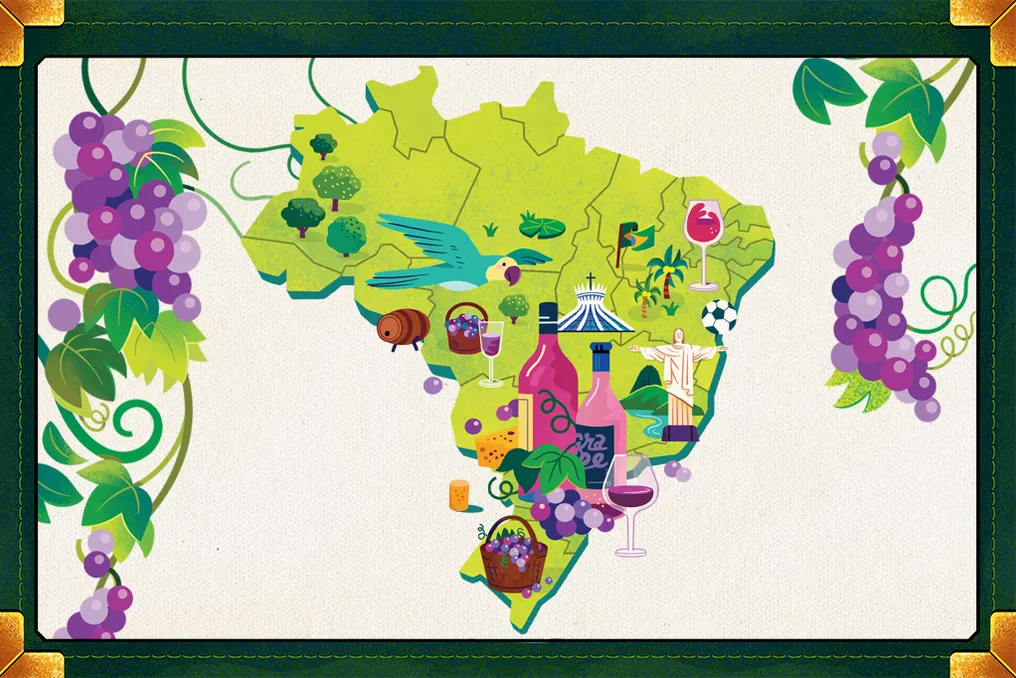
Although the Cerrado may not be the initial image associated with a winery, this fact illustrates the current panorama of Brazilian wine: there has never been so much production in so many distinct regions. In 2025, Brazil counted 965 wineries in 18 states plus the DF, an increase of 41.5% compared to 2020. Lucia Porto, journalist and co-founder of the website Brasil de Vinhos, estimates that the real number could be between 1,000 and 1,200. The diversity of labels has also grown significantly, reaching 16.2 thousand different products, representing an 88.1% increase in the last five years.

The proliferation of wine in a country with multiple climates is possible due to a unique characteristic: Brazil is the only place in the world where grapes are cultivated in three ways. Contrary to the global trend of reducing vineyards and consumption, the opposite is happening in Brazil. In 2025, vineyard area grew by 9.6% compared to 2024, while wine consumption increased by 19.9% above the average of the last five years, totaling 440 million liters.

Despite the Brazilian per capita consumption being about 2 liters annually (compared to triple that of France), Brazil shares with Japan the status of growing demand, with 2025 being the year with the lowest global wine consumption of the century. The wine sector moved R$ 21.1 billion in Brazil in 2025, indicating a heated domestic market, although logistical and distribution challenges for national labels exist.

The Earth

The grape belongs to the genus Vitis, comprising about 80 species. Among them, Vitis vinifera stands out, originating from Europe and Asia. Although thousands of vinifera varieties exist, only a few dozen are commercially cultivated, such as Merlot, Cabernet Sauvignon, Chardonnay, and Pinot Noir.

Many vinifera grapes are not suitable for direct consumption because they are small, have seeds, and astringent skins. However, they are ideal for wine production, as sugar serves as fuel for yeasts during alcoholic fermentation. Acidity and tannins, when well managed, provide freshness, structure, and longevity to the beverage, while hundreds of aromatic compounds are revealed by the fermentation and aging process.

These grapes are extremely sensitive to the environment, which allows the same variety to produce distinct wines depending on the terroir—the combination of climate, soil, and regional management. This delicacy, however, implies greater vulnerability to pests and climate change.

The first vinifera arrived in Brazil in 1532, with the Portuguese purpose of producing wine for masses and personal consumption. Initially, attempts on the São Paulo coast failed. The vines thrived for a few decades after being taken to the mountains but were abandoned due to the focus on gold mining in Minas Gerais.

Vitis vinifera reached the current Rio Grande do Sul in the 17th century, brought by Spanish Jesuits, but production was interrupted by conflicts between missionaries, indigenous people, and bandeirantes. In 1839, the Gaucho diplomat José Marques Lisboa introduced the Isabel grape, a resistant and highly productive hybrid that could be consumed raw, after finding it in the USA.

Lisboa sent Isabel cuttings to Rio Grande. Although the variety was already planted in São Paulo, it was in the South that production took off, driven by the work of immigrants. French and German immigrants settled first on the coast and plains, followed by Italians in 1875, who settled in the Serra Gaúcha, far from Porto Alegre. The inclined terrain of this region proved favorable for the Isabel grape, facilitating water drainage and air circulation.

With the winemaking tradition, production quickly gained momentum, transforming colonies like Bento Gonçalves and Garibaldi into cities. The surplus from home production was marketed by the first wineries, giving rise to old names such as Salton, Peterlongo, and Aurora.

The Wine

Rio Grande do Sul is the main grape producer in Brazil, with 70% of what is planted being American or hybrid grapes, mainly Isabel. These grapes are used to produce juice or table wine, which has a faster and more economical process, representing more than half of the volume consumed in the country, usually in the milder versions.

Historically, table wines formed the basis of national viticulture. However, in recent decades, the fine wine category, made exclusively with Vitis vinifera, has gained prominence. These wines are more expensive and result in beverages of greater complexity, often highlighted in guides and competitions.

Fine wine production began to gain strength in Brazil in the 1970s, a crucial period for global wine. It was then that 'New World' labels began to gain recognition in competitions, equaling the millennia-old European production. This advance intensified after the Great Wine Tasting in Paris in 1976, when Californian wines surpassed French labels in a blind tasting, a phenomenon that spread to Australia, South Africa, Chile, and Argentina.

Foreign companies, such as Chandon and Almadén (now part of the Miolo group), established themselves in Rio Grande do Sul, attracted by the initial economic growth of the military regime and the difficulty of importing into Brazil. These multinationals brought enologists, new technologies, and thousands of European grape cuttings, offering bonuses to farmers who adopted these varieties. During this period, Embrapa Uva e Vinho was also created, a branch of the Brazilian state-owned company that assisted in improving cultivation and production techniques.

In the 1990s, the opening of the national market allowed the entry of imported labels with reduced customs tariffs, leading some foreign companies to leave Brazil. However, their presence left important legacies: the expansion of vineyard area with the reintroduction of Vitis vinifera in the Gaúcha Campaign and the development of fine wines in the São Francisco Valley, in the Northeast. There was also a specialization of labor, leading major Brazilian wineries, previously focused on table wines, to develop their fine lines, and grape growers who supplied vinifera to multinationals to create their own wineries.

At the beginning of the century, Brazilian wines began to be recognized in international awards, with sparkling wines leading this movement. Produced in the Serra Gaúcha since the 1910s and improved with the arrival of multinationals from the 1970s onwards, they gained global prestige. The conditions of the Serra are ideal for sparkling wines, and the quality combined with competitive price results in good cost-benefit, given that more than 85% of sparkling wines consumed in Brazil are from national labels.

The situation of still fine wines is different: more than 80% of national consumption comes from imports, maintaining a constant dispute with foreign products.

The Glass

According to the Ideal BI consultancy, imported wines (of any type) represent one-third of the volume consumed in Brazil but account for 56% of the market revenue. In the previous year, Brazil imported US$ 560.7 million worth of wine, with Chile being the largest supplier, accounting for 38% of this amount. However, this scenario may change with the free trade agreement signed between Mercosur and the European Union for 2026, which foresees a gradual reduction of taxes, potentially lowering European labels by up to 20% over eight years.

This change is positive for connoisseurs of Portuguese, French, and Spanish wines, but it represents a warning for Chilean, Argentine, and Brazilian producers due to increased competition. As an alternative, exports can be explored; in 2025, Brazil reached US$ 13.8 million in exports, a 25% increase compared to 2024, although it remains a niche difficult to exploit.

To diversify the offering, the author experimented with modern drinks in the Serra Gaúcha, such as orange wine, made with white grapes that remain in contact with the skins for longer, and options like denatured wine. Less common varieties in Brazil, such as Alvarinho (Portuguese) and Marselan (French), were also tasted, while research continues to find grapes suitable for the country.

One way to enhance national labels is through Geographical Indications (GIs), government registrations granted to regions renowned for a product or whose characteristics are linked to the territory. The first Brazilian GI was that of the Vale dos Vinhedos, in the Serra Gaúcha, in 2002. Currently, there are hundreds of GIs in the country. For wines, there are 13. Obtaining a GI requires years of study with local producers and partners like Embrapa, and the seal helps standardize production.

How Black-Owned Wine Brands Can Increase Their Market Share
Read more
foodformzansi.co.za

How Black-Owned Wine Brands Can Increase Their Market Share

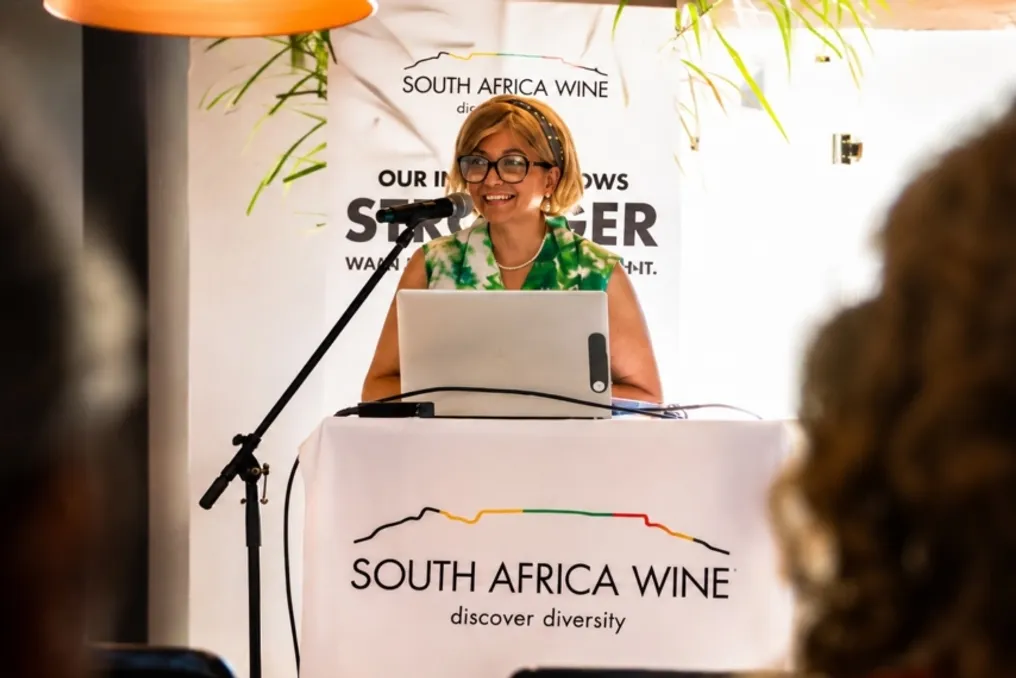
Creating quality wine is only one task; getting it onto store shelves, serving it in glasses, and receiving appropriate payment is an entirely different challenge. This complex issue was discussed at the Inclusive Growth Indaba 2026, organized by South Africa Wine.

At this event, held on Tuesday at The Wine Arc in Stellenbosch, Western Cape, representatives of Black-owned wine brands, as well as grape varietal producers, met with buyers, politicians, and financiers. The main focus was on factors that promote growth, persistent obstacles to commercial success, and necessary measures to accelerate the transformation process.

Panel discussion participants were selected based on the 'Most Significant Changes' survey, which helped identify businesses that have demonstrated tangible progress. Setting the tone for the discussion, Karin Kleinbuys, Executive Director for Inclusion and Development at South Africa Wine, emphasized that competitiveness and inclusivity are not mutually exclusive concepts.

She clarified that South Africa Wine promotes inclusivity not merely for formalities, but to give Black enterprises a real opportunity to develop and contribute to the industry. The Inclusion and Development team works with approximately 114 Black-owned brands, about 35% of which are wholly owned by women. Partnerships, such as the Western Cape export program, have helped these brands enter markets in Africa, Europe, and Asia, including China, Japan, South Korea, and Thailand.

Chris O’Shea, a pricing and branding consultant for business, stated that to compete, brands need to rethink their starting point. He noted that price is a result, not a starting point. It is much more important to focus on understanding the consumer, the brand, and the market. In his words, too many brands start with the product and then look for buyers.

O’Shea also made a sharp remark regarding branding honesty, advising to 'stick to the truth.' He warned that consumers are well-informed and quickly recognize dishonest brands, so it is important to be honest with oneself. Furthermore, he added that since consumers buy with their eyes, packaging and formats matter, citing flexible premium options such as pouches and the 'bag-in-a-box' format.

O’Shea explained why large retail chains often reject applications from small brands. He recounted his experience trying to bring a product into Woolworths, where the retailer insisted on working only with already established companies. The reason, in his opinion, was the retailer's desire to gain trust, as small brands are subject to ups and downs, which buyers avoid. Therefore, small brands must prove that they are reliable and capable of operating daily.

Phil Bouws, Manager of Inclusive Growth Strategies at South Africa Wine, strongly urged companies to integrate into the industry instead of acting in isolation. Bouws, who selected entrepreneurs for the indaba based on the results of his 'Most Significant Changes' survey, argued that those closest to the consumer ultimately control the value chain. He cited the example of a family winery that partnered with a large producer-distributor and gained access to its sales channels. He advised Black brands to seek similar partnerships.

Bouws also noted that the area of vineyards in South Africa is shrinking, amounting to about 86,000 hectares, and vine removal continues. Since there is currently too much wine in the system, he suggested that opportunities may arise for brands that can acquire wine and place it wisely. Meanwhile, he warned of 'multiple destruction' in the mid-market segment. His advice to brands facing pressure to lower prices was to rather gift a bottle than reduce the price, as restoring the previous price point is extremely difficult.

Mahalia Kotjane discusses creating quality wine based on soil and sustainable farming
Read more
foodformzansi.co.za

Mahalia Kotjane discusses creating quality wine based on soil and sustainable farming

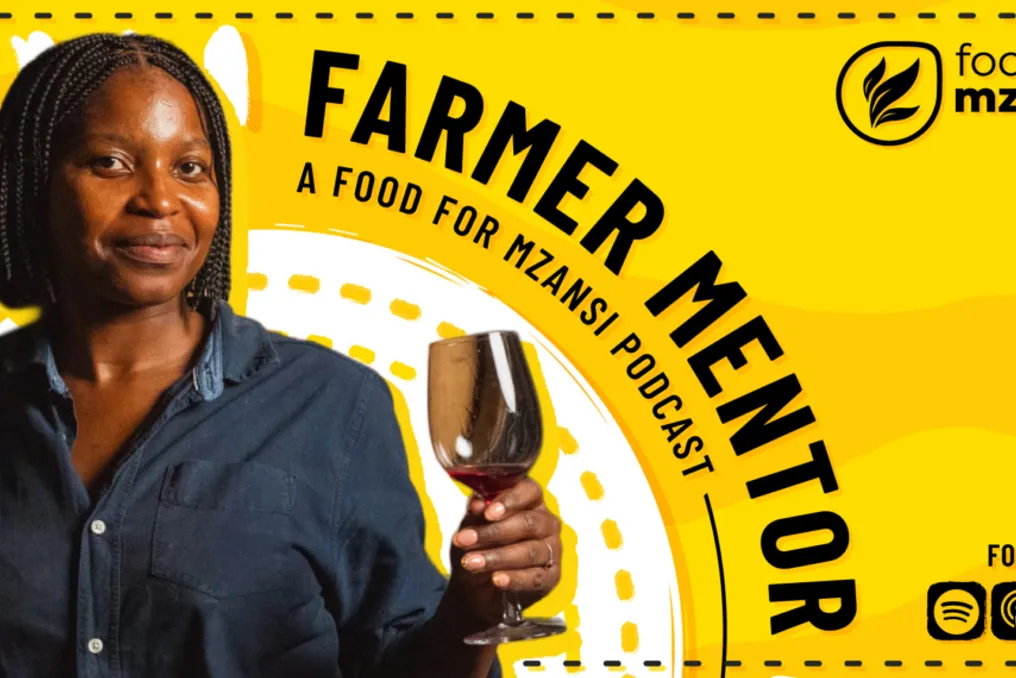
Mahalia Kotjane, founder of Three Quarters Wines, shares her inspiring journey in creating a boutique wine business based on the principles of sustainable agriculture, strategic networking, and authentic terroir.

For Kotjane, producing quality wine begins directly in the vineyard. Through her boutique business, Three Quarters Wines, she builds a brand based on careful vineyard management, meticulous winemaking, and a deep understanding of the wine market.

Kotjane's interest in winemaking arose at the age of fourteen during a school project on microorganisms. Her curiosity led her to experiment with fermenting table grapes in a mayonnaise jar. Observing the fermentation process sparked an interest that later defined her professional path.

She recalls: 'When we tasted the wine, I was truly touched by the moment we shared it. There was so much love, warmth, and curiosity. I thought, if wine brings people such things into their lives, then I want to dedicate my life to winemaking.'

Afterward, Kotjane continued her studies in viticulture at the Elsenburg Agricultural College in Stellenbosch, where she spent four years perfecting her technical skills before gaining industry experience. In 2022, she founded Three Quarters Wines. This family boutique business specializes in Syrah and Rhône-style blends, producing rosé, red blend, and local Syrah.

The company rents and utilizes vineyard plots and cellar space, allowing Kotjane to control the entire process—from harvest to bottling and distribution. She remains closely involved in vineyard management, consulting with growers on pruning and other production decisions until the grapes are ready for harvest.

Kotjane emphasizes: 'You cannot make wine in a cellar. Wine is made in the vineyards. If you do not care for your vineyards, they cannot give you a good fruit.'

She is convinced that healthy fruit is the foundation for quality wine and stresses the importance of sustainable vineyard practices.

Her winemaking philosophy is built on three components: character, quality, and individuality. Character refers to the terroir, which includes the soil, rainfall, vineyard exposure, altitude, and sunlight affecting the grape and the final wine. She believes that winemakers should preserve these differences instead of trying to replicate wines from other regions.

Climate conditions also influence each harvest. Kotjane notes that drier seasons can lead to smaller berries with more concentrated flavor, demonstrating the impact of climate on wine characteristics. In the cellar, her approach is guided by the principle of 'less is more.' Careful vineyard management and harvest decisions reduce the need for extensive intervention during winemaking. As she says: 'The less I interfere with the wine, the better for the wine.'

Since starting with two tons of grapes in 2022, Three Quarters Wines has harvested 12 tons by 2026. Kotjane attributes this growth to industry experience, relationships with growers, fellow winemakers, and trade partners, as well as participation in tastings and industry events. Sharing cellar capacity also helped the business increase production without the immediate financial burden of owning its own infrastructure. Furthermore, Kotjane notes that support programs helped her acquire necessary equipment.

However, she warns aspiring entrepreneurs not to expand production without considering market demand and cash flow. 'One of the biggest challenges is balancing production growth with sales and cash flow. You don't want to outpace your cash flow.'

Wine production requires significant initial investment before generating revenue, including purchasing grapes, cellar expenses, aging, and packaging. Therefore, she emphasizes the importance of financial planning and developing various sales channels.

Kotjane urges aspiring winemakers to invest in their education, attend tastings, and build industry connections. She advises: 'Invest in yourself. Learn everything, attend tastings and social events, and meet people. You need a network, so allow yourself to be in places where you can grow.'

She also highlights the support programs of South Africa Wine, including partnership opportunities and informational resources for new winemakers. For Kotjane, building a successful wine business requires a combination of technical knowledge and sound business management while remaining committed to producing wines that reflect their origin.

Popular