The Director-General of the International Atomic Energy Agency (IAEA), Rafael Grossi, praised the recent civil nuclear energy agreement signed between the United States and Saudi Arabia, but simultaneously expressed serious concerns due to the lack of cooperation from Iran.
During the opening of the IAEA Board of Governors meeting in Vienna, which runs until Friday, Grossi described the agreement as a 'very satisfactory outcome.' This pact, signed in July, paves the way for the installation of nuclear power plants in Saudi Arabia, despite having raised questions about the inherent risks of nuclear weapons proliferation.
Grossi assured that the UN agency will monitor the progress of the Saudi nuclear program. He detailed that Washington and Riyadh requested the IAEA in October to implement the safeguard and verification mechanisms established in the bilateral agreement.
According to the Director-General, the understanding ensures international inspectors access and information regarding all Saudi facilities dedicated to uranium conversion and enrichment, nuclear fuel fabrication, and reprocessing.
Grossi emphasized that the agreement fully complies with the IAEA's legal framework, mentioning that Saudi Arabia voluntarily accepted additional verification measures. Currently, Saudi Arabia uses gas and oil-powered plants to generate electricity, seeking to diversify its energy sources with nuclear power.
However, American media outlets reported that the agreement may facilitate the export of US nuclear technology without applying certain safeguards normally required to prevent future military use. Additionally, US President Donald Trump linked the validity of this understanding to Saudi Arabia's recognition of Israel.
In the same press conference, Grossi expressed apprehension over the refusal of Iranian authorities to cooperate, warning that the IAEA has no means to confirm whether Tehran's nuclear program is purely peaceful. Although Tehran claims its program is entirely peaceful, the absence of inspections prevents the agency from validating this declaration.
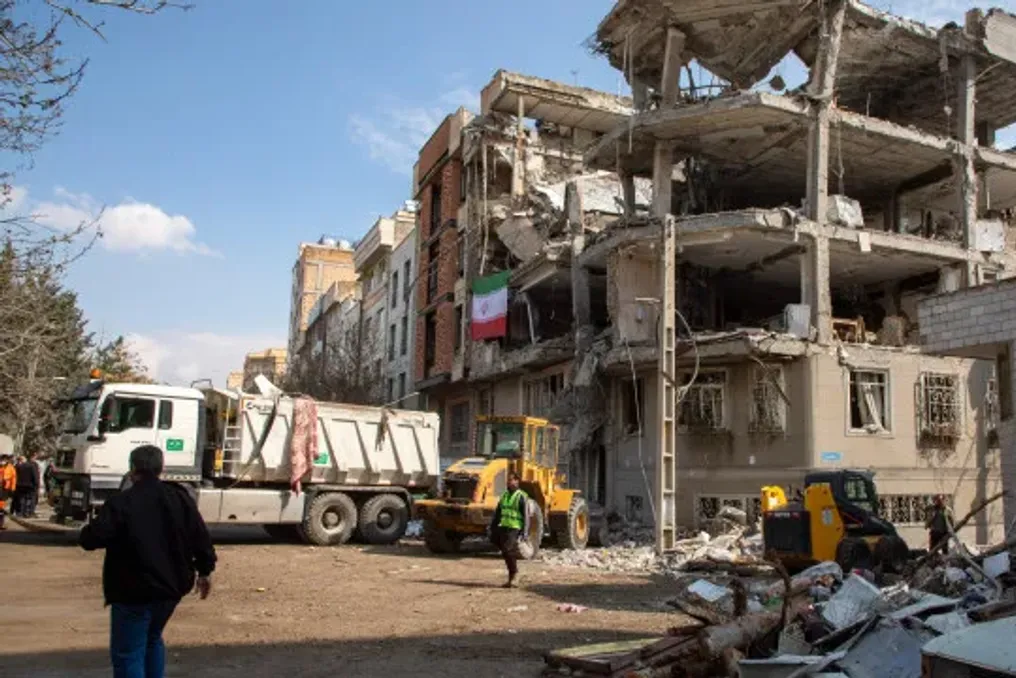
Since June 2025, Israel and the United States have conducted attacks on various Iranian nuclear facilities on several occasions, justifying such actions by the need to halt the alleged development of atomic weapons. Subsequently, Iranian authorities prevented IAEA inspectors from accessing the damaged facilities, citing security reasons, except for the Bushehr nuclear plant in the south of the country, which was unaffected.
Grossi warned that 'Iran has important facilities and a large amount of nuclear material that we cannot verify.' He specifically referred to the approximately 440 kilograms of highly enriched uranium that Iran possessed before June 2025. The Director-General stressed: 'We cannot say where it is, what happened to it, or confirm the real situation. We must find a way to return to Iran and we need to inspect the country's facilities,' concluding that a possible Iranian withdrawal from the Nuclear Non-Proliferation Treaty, advocated by certain political groups in Tehran, 'would not be a sensible decision.'