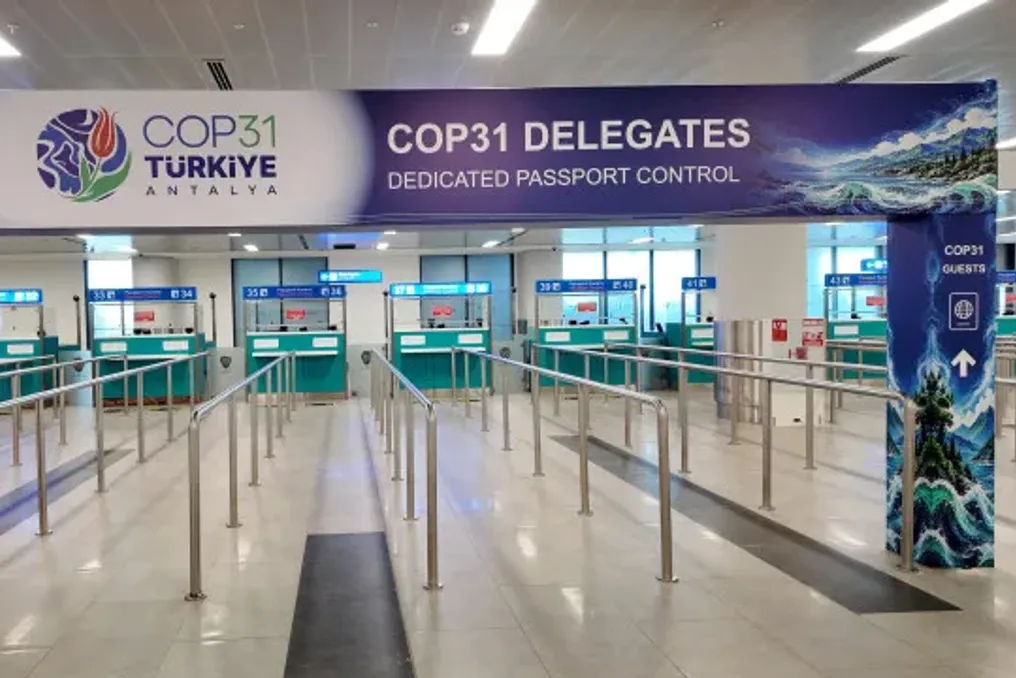
Europe insists on including 'clean and broad electrification' in the COP31 agreement
Read more
Noticias ao Minuto
noticiasaominuto.com

Europe insists on including 'clean and broad electrification' in the COP31 agreement

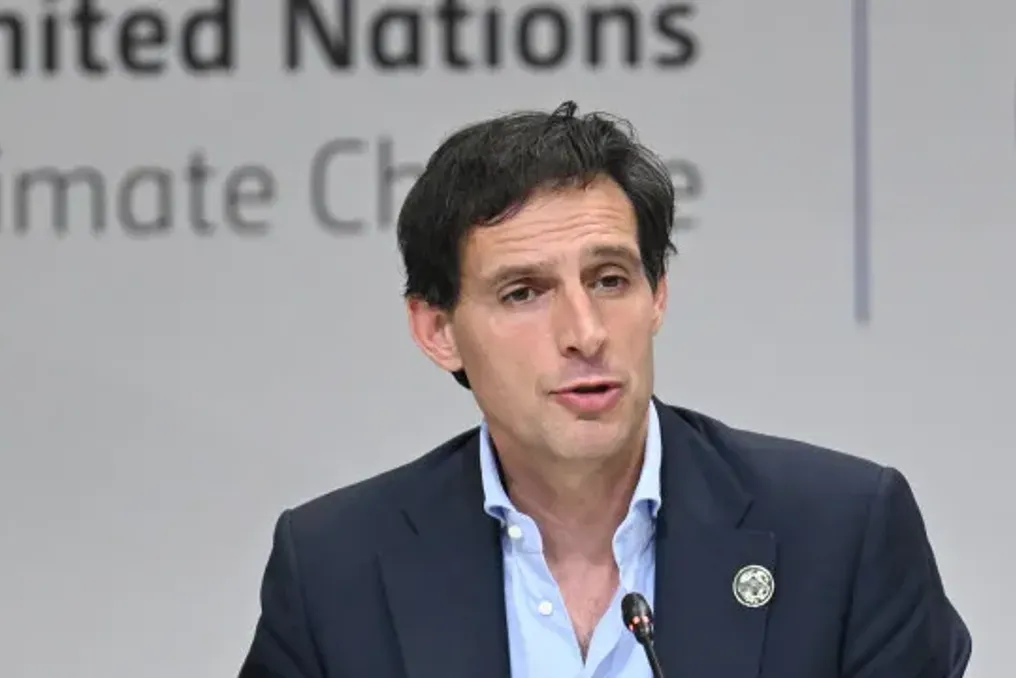
Commissioner for Climate Action of the European Commission, Wopke Hoekstra, stated that 'broader clean electrification' must become a central element of any potential agreement at COP31 in Turkey, which he said remains uncertain.

He emphasized that clean electrification is precisely what Europe needs, and it must be at the heart of any agreements reached. These statements were made by him at a press conference in Antalya following the public rejection on Tuesday of the first version of the Turkish and Australian presidency, which aims to electrify 35% of global energy systems by 2035 (without specifying that this refers to clean energy).

Hoekstra added that, based on his experience in conducting such negotiations, it is impossible to say exactly where they will be in 48 hours or even longer.

Earlier, the European Union rejected the first document published on Monday under the joint chairmanship of Turkey and Australia. The EU criticized it, calling it a 'wish list' due to the inclusion of new discussions on financing and trade.

Immediately after this rejection, Brazil's Minister of Environment, João Paulo Capobianco, asked the EU team to take the lead at COP31—the annual UN climate conference taking place in Antalya, Turkey, this year.

The EU representative avoided controversial statements, noting that the round of talks between the European bloc and other partners went 'very well and constructively.' Among these partners, he mentioned the ABU group (Argentina, Brazil, and Uruguay), AILAC (Association of Latin America and Caribbean Islands), China, South Korea, AOSIS (Alliance of Small Island States), and South Africa.

When asked about the timeline for talks with key countries such as India and Saudi Arabia—which have been accused of delaying the publication of the IPCC report (Intergovernmental Panel on Climate Change)—Wopke Hoekstra stated that the essence of diplomacy is not only communicating with those who already agree. He reported: 'We will talk to India tomorrow morning, and regarding Saudi Arabia, I do not know if it is scheduled or when. But for us, the main thing is to connect with everyone present here.'

Wopke Hoekstra ironically commented on the alleged interference with the IPCC schedule and those who question scientific data, saying: 'We spent many centuries recognizing that the Earth is not flat. I suggest not going back to that, but continuing to use science as the basis for our climate actions.'

It is crucial for this Dutch politician that the world remains united in fulfilling commitments made at other climate summits, including Paris in 2015 and Dubai in 2023. He noted: 'This is the key to everything, and these are commitments signed by everyone. Therefore, we will ensure they are met: whether it is the transition away from fossil fuels, tripling renewable energy capacity, or doubling energy efficiency.'

Furthermore, the commissioner explained that politicians cannot afford to choose one crisis and leave others in limbo. This is why Europe is forced to address four areas simultaneously: the climate crisis, Russia's 'aggression' in Ukraine and other actors, economic problems, and artificial intelligence challenges.
Similar stories

Global Electrification and Fossil Fuel Phase-out Discussed at COP31
Read more
noticiasaominuto.com

Global Electrification and Fossil Fuel Phase-out Discussed at COP31

The second day of discussions at the 31st United Nations Climate Change Conference (COP31), held in Turkey, concluded with focus on promoting global electrification and phasing out fossil fuels. The working agenda was also approved on this day.

The conference chairman, Turkish Environment Minister Murat Kurum, noted the positive start to negotiations following the adoption of the working agenda, as similar procedures at UN meetings previously led to multi-day deadlocks. Kurum reiterated the call for cooperation to solve this global problem, stating: 'We want this COP to be a COP of implementation and to adopt decisions that change the situation.'

The second day of COP31 centered on energy and transport issues. It was marked by calls to accelerate the transition, which is necessary not only to reduce emissions but also to protect economies from oil and gas price volatility. For instance, UN Secretary-General António Guterres made similar statements.

Simon Stiel, UN Executive Secretary for Climate Change, emphasized that in less than ten years, renewable energy has surpassed coal in global electricity generation. He compared this progress to what was 'unimaginable' at the time the Paris Agreement was signed in 2015.

Fatih Birol, Executive Director of the International Energy Agency (IEA), stated that the current energy crisis has shifted government priorities. He noted that for the first time in a long time, energy security goals and the transition to clean energy are closely linked. Birol also reported that electric vehicle sales outside of China grew by 60% over the last nine months, and the number of nuclear power plants under construction reached 90 gigawatts—the highest level in four decades.

Turkey and Australia, which jointly chair the conference, advocate for increasing the share of electricity in global energy consumption from the current 23% to 35% by 2035. However, this proposal faces resistance from hydrocarbon-producing countries, who object to the electrification goal because it implies the exclusive use of renewable and nuclear energy sources.

Birol added that this commitment could, in any case, send a clear signal to markets that 'electricity is the future.'

The day was also remembered for Brazil's presentation of a roadmap designed to help countries gradually phase out oil, coal, and gas. This initiative aims to translate commitments made in Dubai in 2023 into concrete measures, marking the first time the start of the fossil fuel transition was agreed upon. The document does not set mandatory requirements but provides tools for assessing each country's energy dependence and developing strategies tailored to its realities.

During the presentation, former US Secretary of State John Kerry stated: 'We don't need more promises. We need plans,' a sentiment supported by the UN Secretary-General.

Mobility issues in Antalya, which began with the opening of COP31 on Monday, worsened today due to traffic restrictions imposed before the arrival of heads of state and government. The President of Brazil was among those who arrived at the world leaders' summit today, Wednesday. Turkish authorities suspended classes on Wednesday and Thursday to reduce traffic during the leaders' meeting on those days.

Swedish activist Greta Thunberg participated in the conference, returning to the UN climate summit for the first time since Glasgow (UK) in 2021. She criticized the fact that despite decades of negotiations, emissions continue to rise.

European Union remains on track to achieve the 55% greenhouse gas emission reduction goal
Read more
noticiasaominuto.com

European Union remains on track to achieve the 55% greenhouse gas emission reduction goal

The European Union (EU) maintains its course toward achieving climate goals by 2030. According to a report published in Brussels today, equivalent greenhouse gas (GHG) emissions decreased by 1.6% in 2025.

In accordance with the 'Trends and Forecasts in Europe' report by the European Environment Agency (EEA), despite a slowdown in the rate of net GHG emissions reduction in 2025, the EU's mitigation plans and national plans remain on track to meet the target of a 55% net reduction by 2030.

Emissions covered by the EU Emissions Trading System (EU ETS) decreased by approximately 2% in 2025. Meanwhile, emissions in sectors regulated by the Effort Sharing Regulation remained globally stable, and preliminary data indicates an improvement in terrestrial carbon uptake in the EU.

In 2025, emissions were at a level 39% below 1990 levels, while the EU economy grew by 74% over the same period, according to data from Brussels.

However, the EEA warns that to achieve this emissions reduction goal, reductions in sectors regulated by the Effort Sharing Regulation must collectively match those achieved over the previous two decades within the next five years.

The Agency emphasizes the need to improve progress in the transport sector, as well as in end-use sectors such as buildings and agriculture.

The annual carbon market report also concludes that revenues from the EU ETS increased by 43.2 billion euros in 2025, representing an 11% growth compared to 2024.

EU, Africa, Caribbean and Pacific region insist on limiting global warming
Read more
noticiasaominuto.com

EU, Africa, Caribbean and Pacific region insist on limiting global warming

The European Union and 77 countries from Africa, the Caribbean, and the Pacific region have reaffirmed their commitment to strengthening climate cooperation within the framework of the COP31 summit and emphasized the critical need to limit global warming.

In a joint statement published today, although dated Friday, partners noted the urgency of accelerating global efforts to limit temperature rise to 1.5°C, highlighting the particular vulnerability of developing countries.

In connection with the UN Climate Summit, COP31, which begins today in Turkey and will last until the 20th, as well as the subsequent period, the EU and the Organization of African, Caribbean and Pacific States (OEACP) have identified six priority areas for enhanced cooperation.

These areas include adaptation and climate resilience; access to climate finance; clean electrification and a just energy transition; exchange of data, science, technologies, and climate capacity building; creation of sustainable food, water supply, and ecosystem systems; and international ocean governance.

The EU and OEACP represent 104 countries covering about two billion people and more than half of the UN members. They believe that it is necessary to move from declarations to practical implementation so that climate actions bring tangible benefits to people, economies, and communities.

Financially, both organizations supported the goal of mobilizing at least $300 billion (approximately €262 billion) annually for climate action by 2035.

Furthermore, they advocated for easing access for the most vulnerable countries to subsidies and loans on favorable terms, as well as strengthening international mechanisms to counter losses and damages caused by climate change.

In the energy sector, signatories committed to accelerating clean electrification and energy access through investments in renewable sources, power grids, and energy storage, as part of a transition away from fossil fuels 'justly, orderly, and equitably.'

On November 15, 2023, the EU and OEACP signed the Samovar Agreement, which serves as a framework partnership basis for their relationship over the next 20 years. This agreement temporarily takes effect on January 1, 2024, and covers a wide range of topics, including sustainable development and growth, human rights, peace and security, as well as strengthened cooperation between OEACP and the EU in international forums.

Popular