Panama's Environment Minister Criticizes Oil Producers at COP31 Summit
Read more
Noticias ao Minuto
noticiasaominuto.com

Panama's Environment Minister Criticizes Oil Producers at COP31 Summit

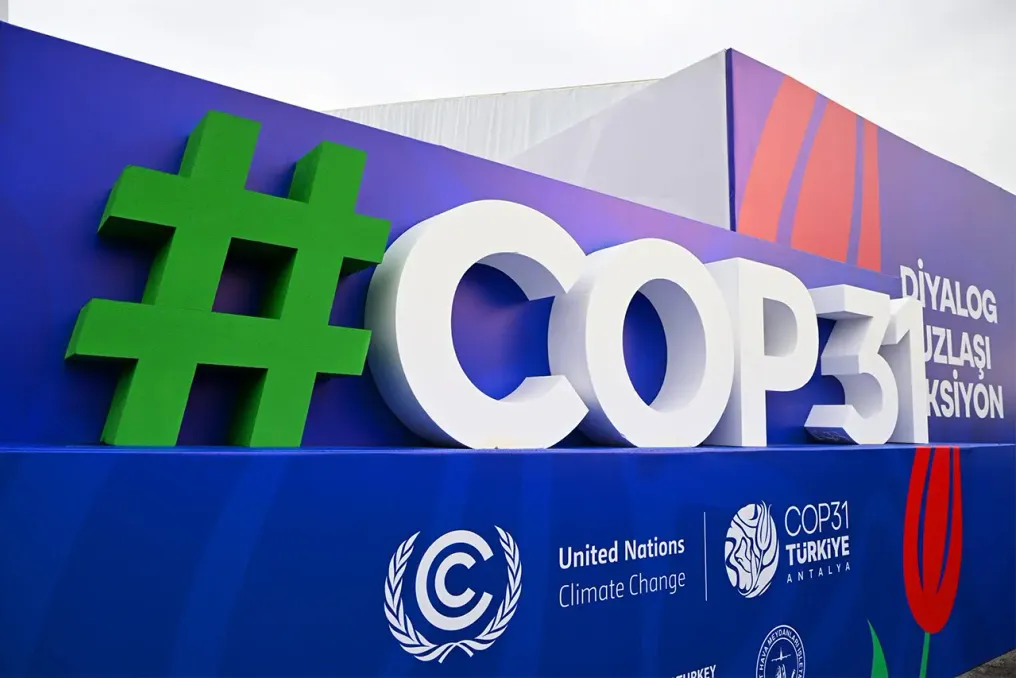
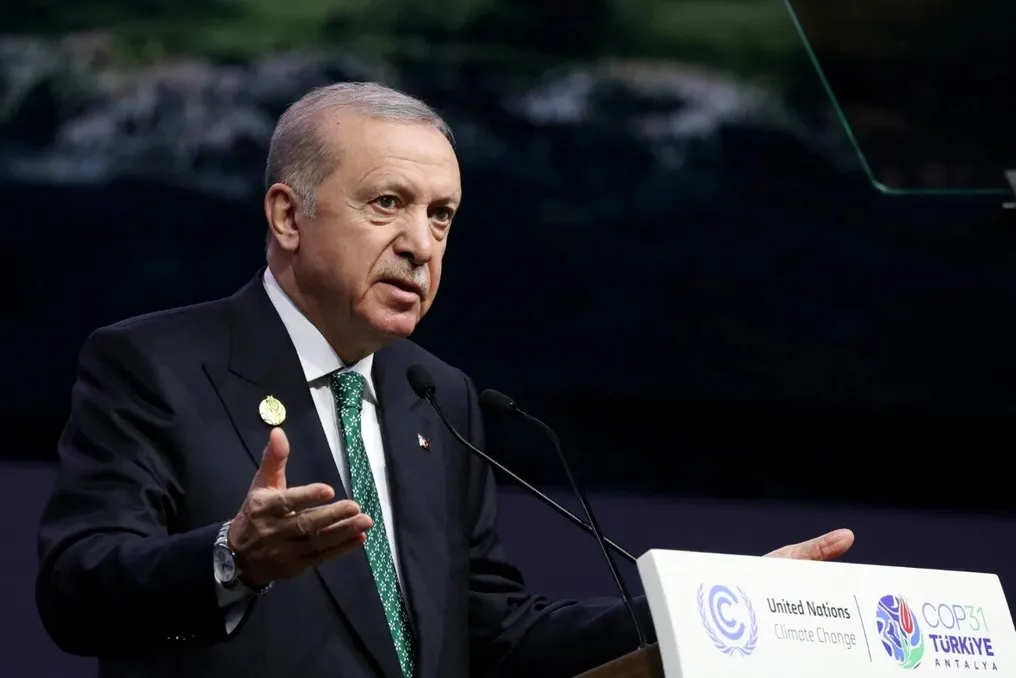
Panama's Environment Minister, Juan Carlos Navarro, sharply criticized oil-producing countries, accusing them of being the main culprits behind climate change. His statements were made during the COP31 meeting held in Antalya.

During a press conference, Navarro stated that oil-producing nations demonstrate generosity only in theory, as they do not contribute a single penny to adaptation, public welfare, or biodiversity preservation. He emphasized that the event was dedicated to the gradual phasing out of fossil fuels.

The Minister was accompanied by representatives from the Pacific islands of Vanuatu, Tuvalu, and Fiji, which are suffering from sea-level rise caused by global warming linked to greenhouse gas emissions. Panama, according to the minister, is in a situation where the world is 'hostage to the oil mafia.'

Navarro added that humanity is so naive as to fall into this trap by demanding constant, endless, and unlimited growth. In his brief speech, he called for a 'radical change' in the approach to climate summits.

He noted that nations leading the fight—such as Fiji, Tuvalu, and Vanuatu, as well as Panama—are 'swimming against the current, doing the work independently, fighting for their own survival' ahead of the final day of COP.

Juan Carlos Navarro detailed how climate change affects Panama. He pointed out that climate change poses an existential threat to the country. For instance, the recent El Niño event in 2023 cost over a billion dollars and jeopardized access to fresh water for half the population of the capital agglomeration of Panama.

The statesman also ridiculed the goal of the Paris Agreement of 2015—to keep the temperature increase below 1.5 degrees Celsius relative to pre-industrial levels (1850–1900). He concluded that the planet is being destroyed, the 1.5-degree threshold has already been exceeded, and it is likely irreversible. Furthermore, he stated that fossil fuel consumption is not decreasing but increasing: more oil, coal, and other hydrocarbon fuels are consumed and produced every week.

Participation in the UN Climate Change Conference in Antalya, Turkey, continues until next Friday.

Similar stories

COP31 discusses the appointment of a climate security emissary and oil company policies
Read more
noticiasaominuto.com

COP31 discusses the appointment of a climate security emissary and oil company policies

The fourth day of the UN Climate Conference COP31, held in Turkey, was marked by several significant events, including the UK's announcement regarding the appointment of a climate security emissary and Venezuela's stance on the oil business.

Despite organizational issues and delays that threatened the meetings and events, Greta Thunberg, a Swedish activist, also spoke at COP31, calling on Turkey to impose an energy embargo against Israel.

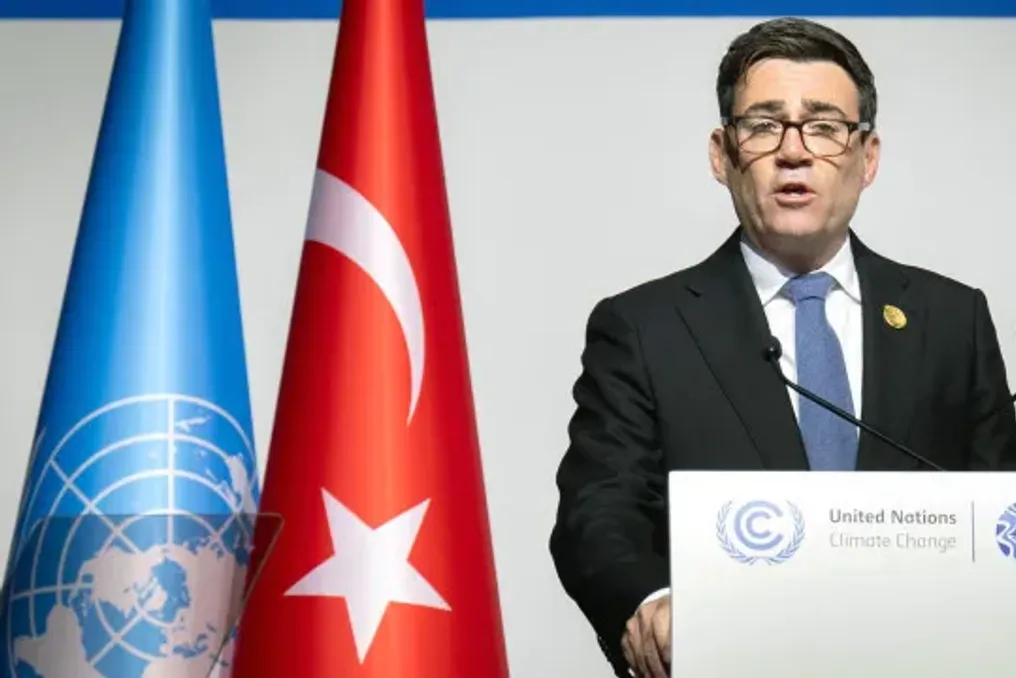
During the second and final day dedicated to speeches by heads of state and government, UK Prime Minister Andy Burnham announced the creation of a new global initiative—the appointment of a climate security emissary. Madlen Alessandra, former president of the UK Joint Intelligence Committee, will be appointed to this position and will work alongside the UK's State Secretary for Climate, Katie White.

Parallel to the calls to abandon fossil fuels, which are frequently heard at the main annual climate conference, Venezuelan interim President Delcy Rodríguez defended the country's 'sovereign right' to develop its oil industry as a 'vital engine of national development.' The President is in Antalya with hydrocarbon minister Paula Eno.

On Wednesday, Paula Eno met with her Brazilian counterpart, Lula da Silva, to discuss increasing Brazilian investments in the Venezuelan oil sector. Furthermore, Paula Eno held a meeting with Turkish counterpart Alparslan Bayraktar, whose country aims to expand its oil and gas activities beyond its borders. Delcy Rodríguez emphasized in her speech that 'there is no contradiction between energy development and environmental protection.'

Activist Greta Thunberg also appealed to Turkey to impose an energy embargo against Israel to stop the transfer of oil and energy from Israeli territory, which, according to her, directly fuels the genocide in Palestine. The activist referred to the Baku-Tbilisi-Ceyhan pipeline, through which Azerbaijani oil is allegedly exported to Israel via the Turkish port of Ceyhan over the years. Although Turkish authorities deny this, associations and the opposition confirm this information. She also stated: 'The planet is not dying; it is being killed, and we know who. It is being killed by the same people we often think will come to our aid.'

Also in Antalya, receiving many applause, Palestinian Prime Minister Mohammed Mustafa stated that 'the massive destruction of water supply systems, sanitation infrastructure, agricultural lands, and waste management systems has led to the exacerbation of environmental and health problems in the Palestinian territories.' Representatives from the US were present at the event, despite the absence of a delegation due to a decision by President Donald Trump. California Governor Gavin Newsom arrived in Antalya, as did Palo Alto Democrat Vicki Winkler, who noted: 'Mayors are those closest to the citizens we represent, and when Washington steps back, we take control.'

On his last day at COP31, Lula da Silva met with civil society representatives and was warmly welcomed for reducing Amazon deforestation to its lowest level in almost 40 years and for establishing the Ministry of Indigenous Peoples in 2023. The day was also marked by the publication of a report by the Climate Action Tracker (CAT) organization, which indicated that current global climate policy leads to warming of 2.7°C.

Climate Issues Discussion at COP31 in Antalya and Their Significance for Uzbekistan's Water and Energy Security
Read more
uzdaily.uz

Climate Issues Discussion at COP31 in Antalya and Their Significance for Uzbekistan's Water and Energy Security

At the 31st Conference of the Parties to the UNFCCC (COP31), taking place in Turkey, world leaders are discussing ways to accelerate the transition to renewable energy sources, expand climate financing, and protect countries from the consequences of global warming. For Uzbekistan, these negotiations are particularly important against the backdrop of growing electricity demand, limited water resources, and the need to adapt the economy to climate change.

One of the key events on November 11 was the opening of the COP31 Leaders' Summit, where UN Secretary-General António Guterres called on states to move from stated climate commitments to their practical implementation.

According to Guterres, global greenhouse gas emissions reached record levels in 2025, and current national climate plans are insufficient to limit global warming to the 1.5°C target set by the Paris Agreement. Guterres warned that exceeding this temperature threshold is now inevitable, although the duration and scale of the exceedance will depend on government actions.

For Central Asia, where climate change intensifies pressure on water resources, agriculture, and energy infrastructure, the task is not only to reduce emissions but also to strengthen economies' ability to adapt to changing climatic conditions.

Financing climate action in developing countries remains one of the central issues at COP31. Speaking at the Leaders' Summit, António Guterres emphasized the need to turn the global goal of mobilizing $1.3 trillion by 2035 into actual financial flows. He also called on developed countries to fulfill their commitment to provide at least $300 billion annually by 2035 and to develop concrete plans to triple adaptation financing.

The UN Secretary-General drew attention to the uneven distribution of clean energy investments. According to figures provided by him, developing countries outside of China, which is home to nearly two-thirds of the world's population, receive less than one-fifth of global investments in this sector. Meanwhile, borrowing costs for many of these countries are two to three times higher.

Access to long-term financing is critically important for Uzbekistan. Modernizing power grids, expanding renewable energy, improving irrigation efficiency, and developing climate-resilient infrastructure require significant investment. However, announced international financial goals do not guarantee automatic allocation of funds to individual countries; the practical significance of the negotiations will depend on agreed financing mechanisms, the availability of loans and grants, and the ability of developing economies to effectively utilize these tools.

Another priority at COP31 is increasing the use of electricity in transport, industry, and buildings. At a joint press conference on November 10, COP31 leaders introduced the Global Electrification Pact, known as '35 by 35,' which aims to increase the share of electricity in total final energy consumption from the current 23% to 35% by 2035.

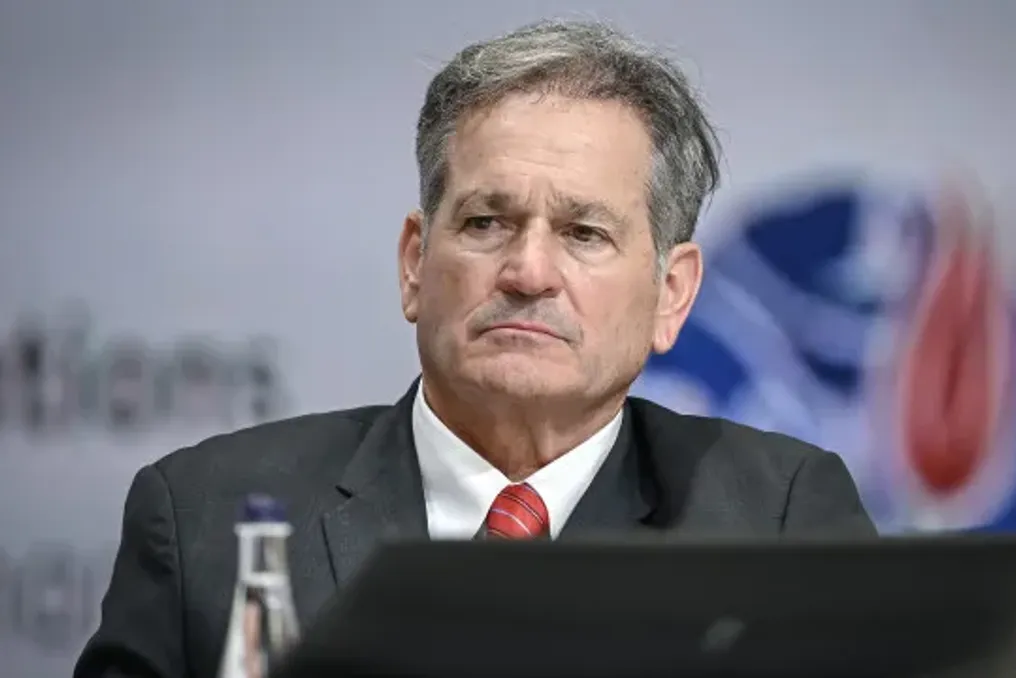
COP31 negotiation chair Chris Bowen noted that achieving this goal will require more than a fourfold acceleration of electrification rates. According to Bowen, conference participants are also discussing how relevant provisions can be reflected in the final COP31 decision.

UN Executive Secretary for Climate Change Simon Stiel highlighted the economic benefits of transitioning to clean energy. Citing data from the International Renewable Energy Agency (IRENA), he stated that 90% of large-scale renewable energy projects are now cheaper than fossil fuel alternatives.

For Uzbekistan, the global electrification agenda is especially relevant as the country increases solar and wind energy production, develops energy storage systems, and modernizes its electrical grids. Nevertheless, increasing installed capacity is only one aspect of the energy transition; equally important are the grid's ability to integrate energy from various sources, load balancing, energy efficiency improvement, and supply reliability.

The global '35 by 35' goal does not currently establish a separate national obligation for Uzbekistan, but it reflects the direction of international energy policy that may influence investment priorities and technological development in the coming decade.

Parallel to the energy transition, COP31 leaders are paying significant attention to adapting to the consequences of global warming. COP31 Chair Murat Kurum stated that adaptation, as well as loss and damage, must remain at the center of the conference's climate agenda. António Guterres, in turn, called for protecting populations from droughts, floods, and other climate-related threats, expanding early warning systems, and supporting the development of new generations of national adaptation plans.

The importance of these efforts is also underscored by new data presented by the World Meteorological Organization (WMO) in Antalya on November 9. According to preliminary estimates by the organization, the average global temperature from January to September 2026 was approximately 1.47°C above pre-industrial levels. WMO also reported that the last 12 years were the warmest on record.

For Uzbekistan, rising temperatures are directly linked to risks of worsening water shortages, increased irrigation needs, and additional strain on infrastructure. The transboundary nature of Central Asian water resources is paramount. Ensuring water supply depends not only on national water conservation measures but also on regional cooperation, the quality of hydrometeorological forecasts, and the ability of countries to jointly respond to prolonged droughts.

Under these circumstances, international climate finance could potentially support the modernization of irrigation systems, the implementation of water-saving technologies, the improvement of water resource monitoring, and the development of early warning mechanisms. However, the realization of such projects requires not only financial commitments from international partners but also the existence of specific national programs with measurable results.

The practical significance of the negotiations in Antalya for Uzbekistan can be understood through several interconnected priorities. The first is access to climate finance under terms that allow for the implementation of long-term infrastructure projects without excessively increasing the country's debt burden. The second is the creation of an energy system capable of meeting growing electricity demand while simultaneously reducing emissions and increasing resilience to external risks. The third is enhanced international support for climate change adaptation, especially in the areas of water resource management, agriculture, and protecting the population from extreme weather events.

Furthermore, climate negotiations have a regional dimension for Central Asia. Changes in temperature regimes, water availability, and energy development are closely interconnected and therefore require coordinated solutions that go beyond individual national strategies. COP31 is still ongoing, and the final outcomes of the negotiations have not yet been determined. The initiatives and statements of the conference leaders indicate the direction of the discussions, but they do not replace formally agreed decisions by participating countries. For Uzbekistan, the ultimate measure of COP31's success will not be the number of new international declarations, but the ability to transform them into accessible financing, technological cooperation, and concrete projects that strengthen the country's water and energy security.
Erdogan condemned the situation in Gaza, calling it ecocide at the climate summit in Turkey
Read more
www.middleeasteye.net

Erdogan condemned the situation in Gaza, calling it ecocide at the climate summit in Turkey

At the Cop31 climate summit in Turkey, President Recep Tayyip Erdogan delivered an open address in which he stated that Gaza has suffered not only from genocide but also from ecocide.

Addressing the conference participants, Erdogan emphasized that the Palestinian Strip has been under pressure from Israel since October 2023. He noted the destruction caused by this conflict: 'Centuries-old olive trees have been cut down, soil and water have been polluted, and cities have been turned into huge piles of rubble.'

Furthermore, the Turkish president reported that heavy rainfall and floods have exacerbated humanitarian suffering in Gaza, flooding tens of thousands of tents and shelters. He added that hundreds of thousands of people in Gaza, including innocent children, are struggling to survive in the cold winter conditions, often left without parents.

Erdogan called for the immediate permission to deliver humanitarian aid to Gaza and to end the policy of regional isolation.

Climate change is a deep existential crisis

Moving to the broader topic of the climate crisis, Erdogan characterized climate change as 'one of the deepest existential crises' in human history. He reminded that humanity's home is the sky, and the garden is the Earth. However, according to him, humanity is experiencing this crisis partly due to the greed of excessive consumption.

He concluded that the most valuable legacy that can be left to future generations before the world becomes uninhabitable will be a cleaner, greener, and fairer world.

Developed countries must finance climate action

In his speech, Erdogan also stated that developed nations must take on a much greater responsibility for financing measures to combat the climate crisis. He pointed out that despite agreements reached on actions, they are not reflected in real steps and financial support at the UN climate summit.

The upcoming UN Secretary-General António Guterres also spoke at the summit, warning that slow international reaction to climate change is leading the world toward destruction and requires urgent measures. Guterres stated: 'I want to say this very clearly: we do not have another sky, another Earth, other seas, oceans, or forests.'

He added that 'the harsh truth is that the climate crisis is outpacing us,' citing rising emissions, increasing global temperatures, and intensifying natural disasters. Meanwhile, nearly 200 countries are discussing a plan to increase the share of electricity in global energy consumption and resume efforts to abandon fossil fuels.

While fossil fuel prices rose sharply after the war with Iran, oil and gas companies recorded huge profits.

War should not distract from the climate, say leaders

Speaking at the same session, recently re-elected Brazilian President Lula da Silva noted that the momentum of Cop31 weakened at the beginning of the year, and the climate crisis disappeared from the speeches and documents of world leaders. He stressed that discussions about armament and tariffs have begun instead of the survival of future generations, and the planet cannot remain under the control of hegemonic struggles.

Erdogan supported Lula's comment, stating that 'wars, crises, migration, hunger, and poverty daily increase the need for international solidarity.'

According to a UN report published last month, the world is moving towards exceeding the 1.5 degrees Celsius warming level agreed upon under the Paris Agreement in 2016. This year saw waves of abnormal heat in Western Europe, as well as the collapse of a glacier in Nepal, which triggered a catastrophic flood resulting in more than 1,450 deaths.

The summit took place from November 9 to 20 at the Cop31 venue in Antalya, on the Mediterranean coast of Turkey, gathering 196 countries and the European Union. The USA, the largest historical emitter of greenhouse gases, skipped the negotiations for the second consecutive year after President Donald Trump withdrew his country from climate cooperation after returning to office in 2025.

Popular