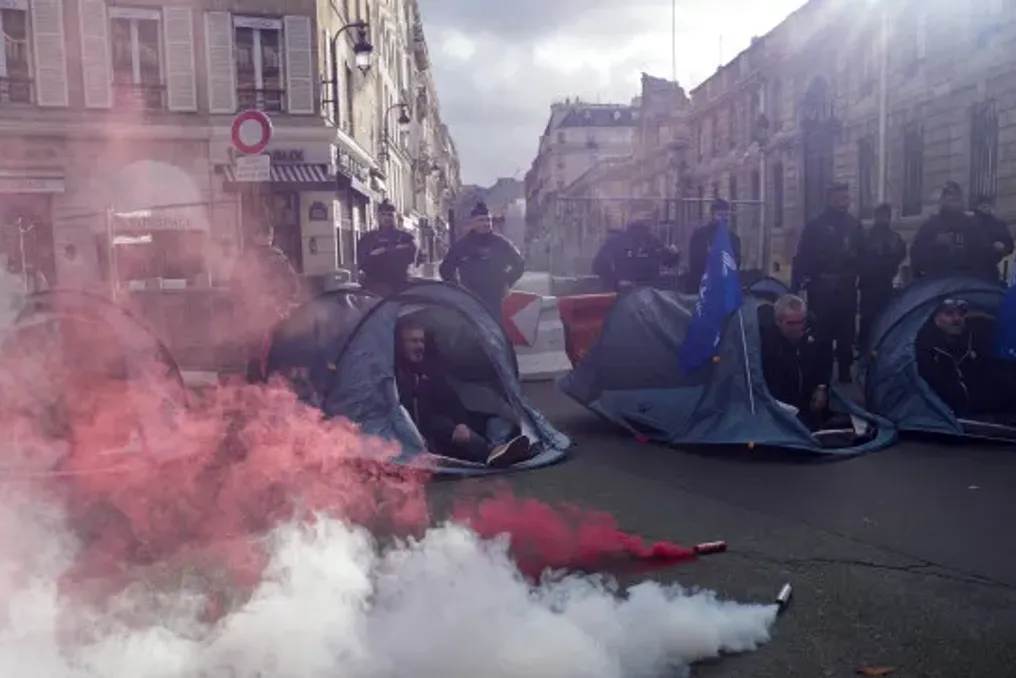
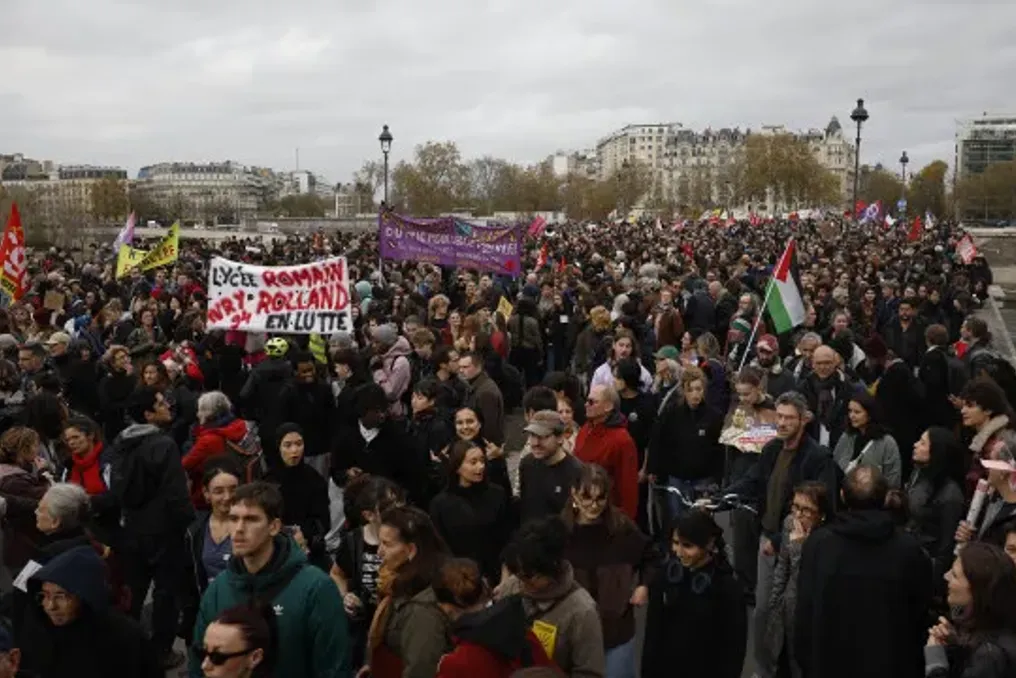
The French government presented a proposal to raise the minimum wage by 1.6% with the aim of calming the protests that have affected the country for several weeks. However, this measure was not enough to persuade all unions, as some called for a new general strike on the 17th.
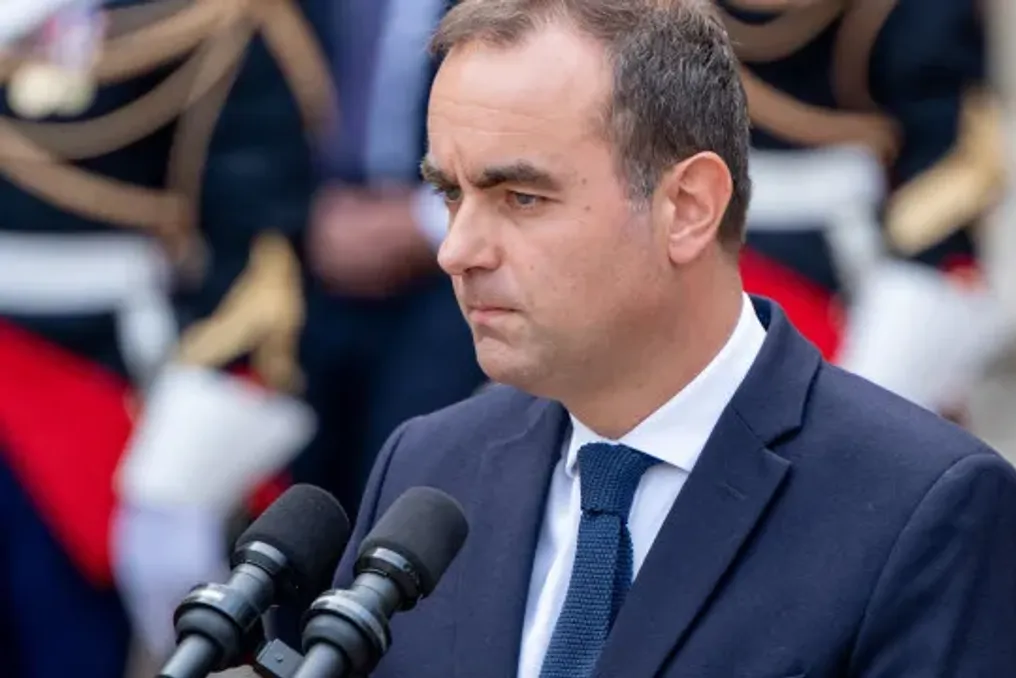
The French Prime Minister, Sébastien Lecornu, announced these concessions after a two-hour meeting with the unions, which followed the general strike held on November 5th.
Both students, whose associations were scheduled to be received at the Government headquarters that afternoon, and the 'yellow vest' movement, which emerged in 2018 in reaction to fuel tax increases, participated in the strike.
The Minister of Labour, Jean-Pierre Farandou, confirmed that the new minimum wage will be 1,502 euros, representing an increase of 5.3%, or approximately 75 euros, compared to the previous year. This 5.3% percentage includes the 1.6% rise (about 24 euros) added to previous adjustments due to inflation.
In addition to the wage increase, the Government committed to reducing corporate taxes, provided that employers guarantee salary increases through collective agreements in the coming months.
Union representatives classified the minimum wage increase as 'insufficient' and expressed skepticism about the pressure placed on employers to raise wages. The leader of the General Confederation of Labour (CGT), Sophie Binet, stated that the amounts were 'crumbs' and that they were not there to beg, but rather to demand recognition for workers' labor during the demonstrations.
Sophie Binet added that the increase announced by the Government amounted to 'five euros,' as the remainder corresponded to an increase already announced for the beginning of the year, which she compared to 'a kilo of tomatoes.' In response, she predicted that mobilization would continue and that her union would join the general strike called by public employees for November 17th, as well as the student protest scheduled for Tuesday and Saturday.
Marylise Léon, from the CFDT (French Democratic Confederation of Labour), the country's largest union center, and Frédéric Souillot, from the FO (Workers' Force), also considered the adjustment inadequate but left room for collective negotiation, while maintaining vigilance to ensure the requested wage increases are met.
For his part, the Prime Minister acknowledged that 'social tensions are high' and that there are 'political concerns about the future,' but warned about the difficulties caused by a high level of debt and the need to reach consensus in a pre-electoral period.
Despite this, Lecornu guaranteed that such measures would be implemented starting in December, subject to changes the Government will present in its budget proposal, which still lacks parliamentary support, but which the executive hopes to pass.
Lecornu stated that the minimum wage increase, although it may seem insignificant to some, is the second largest in twenty years. The employer association also recalled that this would be the third minimum wage increase this year and pointed out that this would occur at a time of great economic pressure on companies.
Despite this scenario, the employer association committed to being 'constructive' in collective negotiations to guarantee wage increases in exchange for tax reductions. Lecornu assured that the Government would prevent the minimum wage increase from causing unemployment, although he admitted that acts of violence during the protests also impact economic activity.
He emphasized: 'I do not question the right to demonstrate, but I question the violent acts. Our urban centers need to regain calm.' Additionally, the Government announced the extension of fuel subsidies, implemented in 2026 for certain economic sectors, until 2027.