Jetour set to take over Jaguar Land Rover factory in Rio de Janeiro state
Read more
AutoPapo
autopapo.com.br

Jetour set to take over Jaguar Land Rover factory in Rio de Janeiro state

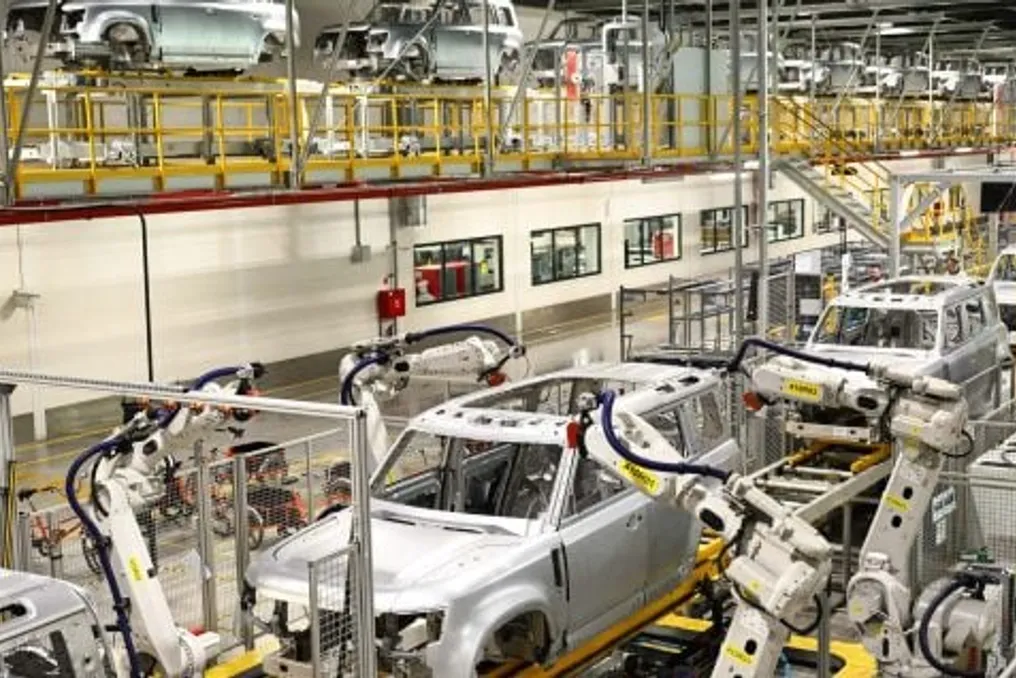
Jetour, a Chinese brand belonging to the Chery Group, is about to begin vehicle production at the factory currently owned by Jaguar Land Rover (JLR), located in Itatiaia, southern Rio de Janeiro. The British automaker had suspended SUV manufacturing at this site since June.

According to information obtained by the Reuters agency from two sources within the government of the state of Rio de Janeiro, Jetour has signed an agreement with the state to utilize this manufacturing unit, although the details of this pact have not been made public. Jetour itself opted not to comment on the matter. Meanwhile, the government of Rio de Janeiro confirmed that it continues negotiations with several companies interested in the factory, while JLR stated that it is working on the next stage of the unit's development.

This factory, inaugurated in 2016 with an announced investment of R$ 750 million, was responsible for assembling the Range Rover Evoque and Land Rover Discovery Sport models. Production was halted in June of this year due to low sales figures; between January and May, the two SUVs registered only 264 registrations in the national territory.

In April, the media speculated about the possibility of Omoda & Jaecoo, another brand from the Chery Group, becoming the new occupant of the plant. This connection between the companies is not unprecedented, given that in China, Chery and JLR have a partnership in a factory that produces the British brand's models.

Jetour began its sales in Brazil in March, presenting three plug-in hybrid SUVs (capable of external recharging): S06, T1, and T2, with starting prices around R$ 200 thousand. Since its arrival, the brand has expressed intentions to produce in the country. In August, a Jetour executive informed Reuters that the company was evaluating the possibility of sharing idle capacity from other manufacturers' factories.

As of October, Jetour recorded the sale of 7,640 vehicles in Brazil, according to data provided by the National Federation of Automotive Vehicle Distribution (Fenabrave). All these cars are imported from China, and the plug-in hybrid models have been subject to a 35% import tax since July.

Similar stories

Yamaha implemented battery swapping system in Germany, but faces challenges in the Brazilian market
Read more
autopapo.com.br

Yamaha implemented battery swapping system in Germany, but faces challenges in the Brazilian market

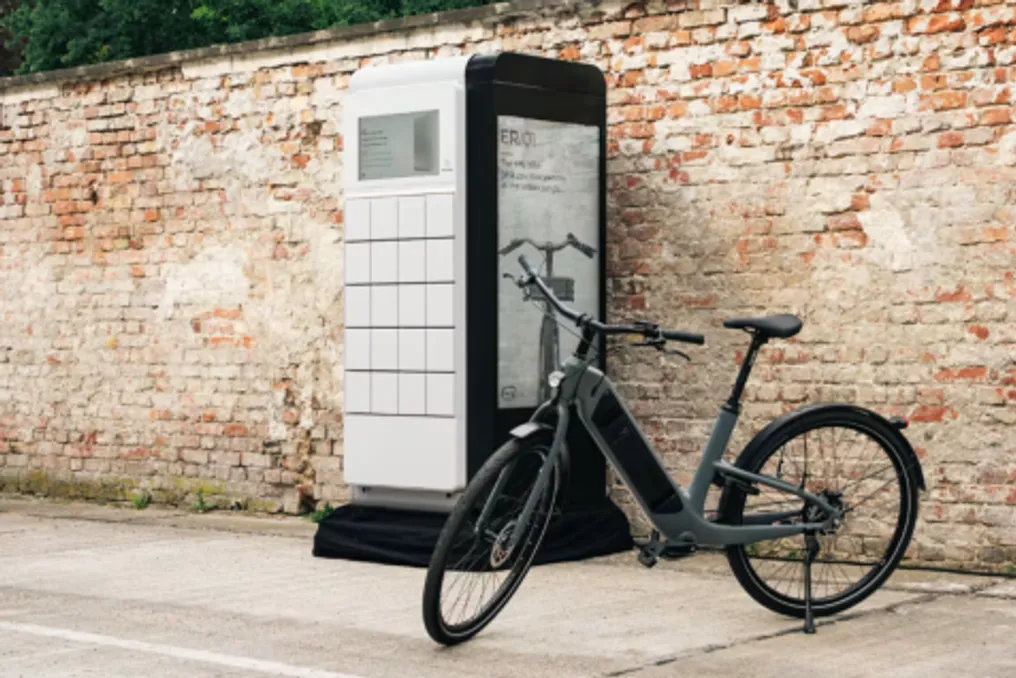
Yamaha initiated a pilot project for electric bicycle battery swapping in Berlin, Germany, nearly a year after the scheduled start date for commercial service. This test began at the end of October but was formally announced by the manufacturer only last Tuesday (10th).

The operation is conducted by Enyring, a subsidiary established by Yamaha in the German capital in December 2023. The system works with the brand's own electric bicycles, removable batteries, and swap stations distributed throughout the city, allowing the user to replace a discharged battery with a charged one at the nearest point instead of recharging it from an outlet.

Logistics companies, bike rental services, and corporate mobility service providers are participating in this pilot, using the vehicles daily while Yamaha collects data on operational efficiency and equipment usage.

Project Overview

Enyring was initially conceived with the goal of starting operations in the first half of 2025, in both Germany and the Netherlands. Subsequently, the commercial launch was postponed to the fourth quarter of 2025, covering Berlin and Amsterdam, with plans for about 40 stations in the German capital and 20 in the Dutch capital.

After more than a year, what is being presented is merely a test, restricted to Berlin. Furthermore, there has been a shift in the target audience: the initially planned model was for the end consumer, who would purchase the bicycle and subscribe to the battery service separately. Currently, the focus is on corporate fleets that use the vehicles continuously, justifying the investment in a network of stations.

One aspect that diverges from Yamaha's own narrative is that Enyring's batteries are exclusively compatible with the brand's bicycles. This contrasts with SBMC, a consortium created to standardize interchangeable batteries in Category L vehicles, which includes other manufacturers such as Honda, KTM, and Piaggio. Thus, although there is an open standard in the concept, the practical system is closed.

Challenges in the Brazilian Market

The prospects for implementing a similar system in Brazil are considered low, given the current market situation. The main obstacle lies in Yamaha's performance in the national electric segment.

The Neo’s Connected, which was Yamaha's first electric motorcycle in the country and the first from a major Japanese company to enter the Brazilian market, was launched at the end of 2024 for R$ 33,990, with production in Manaus (AM). In April of this year, the manufacturer permanently reduced the price by R$ 8,000, bringing it down to R$ 25,590, but this model remains the most expensive electric motorcycle in Brazil.

This price reduction did not change the landscape. According to the Fenabrave registration ranking, Yamaha did not feature among the top 15 brands registering electric motorcycles in the country. This result contrasts with its performance in the combustion vehicle market, where the company holds the second position.

A battery swapping network requires scale, meaning economic viability is only achieved with a large volume of circulating vehicles and many daily swaps. This is the model adopted by companies serving delivery drivers in São Paulo. Vammo, for example, operates over 400 stations in Greater São Paulo and partnered with 99 to provide a thousand electric bikes via subscription, in addition to opening its first base outside the metropolitan area in Campinas in October. Conversely, Mottu, a leader in delivery driver rentals, slowed the expansion of its electric fleet due to costs.

Yamaha has not disclosed similar plans for Brazil. Due to the low sales of the Neo’s Connected and the absence of an electric bicycle line in the country, the necessary vehicle base to make a station network economically sustainable locally is missing.

Yamaha's urban strategy in Brazil focuses on scooters, where the brand has directed its updates. The ZR Hybrid Connected was introduced as the most accessible entry option, starting at R$ 14,090. The NMax 160 received updates for the 2027 line, and the XMAX 300 Connected remains the top-of-the-line model in the category, with an initial price of R$ 38,690.

At the Interlagos Festival, the brand presented the Tracer 7 and the R7, but constant updates also occur among scooters, all of which are gasoline-powered. The Neo’s Connected was chosen to debut in the electric segment, but until it reaches the desired number of buyers, battery swapping remains a topic restricted to Europe.
Brazil and India plan to develop commercial rocket for satellite launches
Read more
olhardigital.com.br

Brazil and India plan to develop commercial rocket for satellite launches

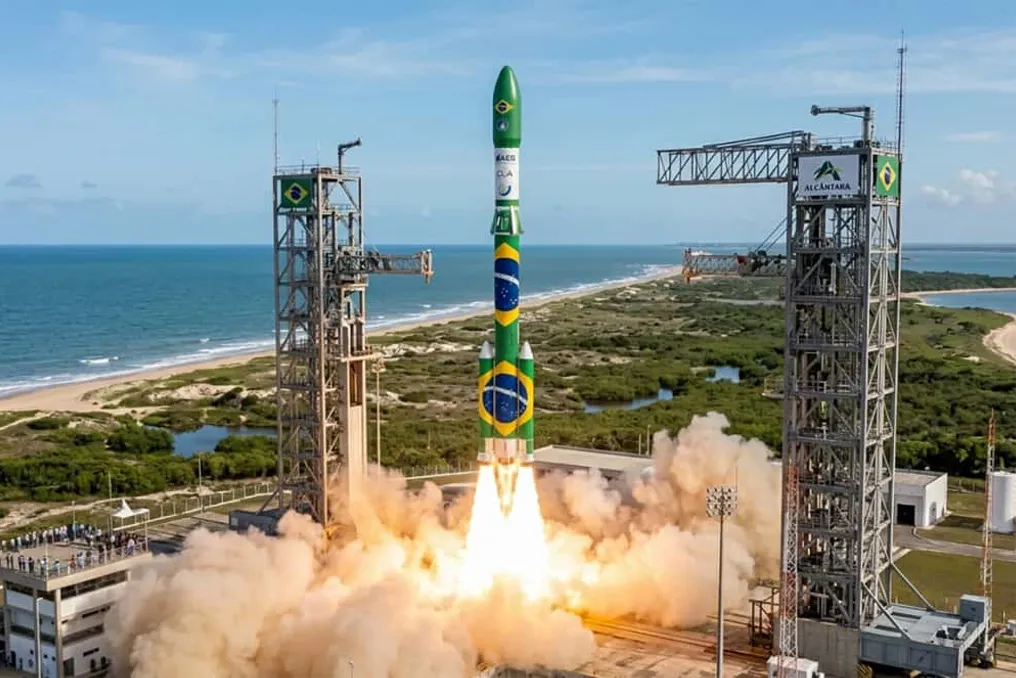
Brazil is advancing in an international collaboration aimed at developing a commercial rocket capable of sending satellites into space. This endeavor involves the Brazilian company Concert Space and the Indian company Skyroot Aerospace, with plans to conduct launches from the Alcântara Launch Center, located in the state of Maranhão.

The project's objective is to create a launch vehicle with the capacity to transport payloads exceeding 100 kg. The strategy consists of combining the technologies and knowledge of both corporations to meet the global demand for small and medium-sized satellite launch services.

Discussions between the parties began in 2024 and gained momentum after the Indian company conducted an orbital launch with its Vikram-I rocket in July 2026. The companies formalized this cooperation through the signing of a memorandum of understanding, although no date has yet been set for the first flight.

Rafael Mordente, CEO of Concert Space, stated that the project timeline is contingent upon the completion of the vehicle's qualification and safety phases. The choice of the Alcântara Launch Center has important geographical reasons, as its proximity to the Equator in Maranhão offers operational advantages for certain space missions.

Earth's rotation generates an extra boost for rockets launched in that area, which reduces the need for energy and fuel to reach specific orbits. This characteristic positions Alcântara as a strategic location to serve international clients interested in placing small satellites into equatorial trajectories.

The partnership also aims to explore the global launch market, which already has major players such as SpaceX, Rocket Lab, and Blue Origin. Instead of competing in all niches of this market, Concert Space and Skyroot intend to focus on the specific needs of entities seeking alternatives for putting satellites into orbit.

This initiative represents an additional effort by Brazil to increase its participation in the space industry, particularly regarding the development of launch technologies and the provision of commercial services. In addition to providing infrastructure for space activities, the country seeks to build its own capabilities and participate in higher value-added technological processes.

Currently, the agreement with India awaits the conclusion of technical and commercial studies. The final configuration of the rocket, the required investments, and the operational conditions will be determined as the partnership evolves. Meanwhile, Concert Space's immediate priority remains the completion of the Brazilian Micro-launcher, and the collaboration with Skyroot allows for the expansion of satellite launch capacity from national territory.

New Fiat CEO regrets withdrawal of Punto model and insists on its return
Read more
autopapo.com.br

New Fiat CEO regrets withdrawal of Punto model and insists on its return

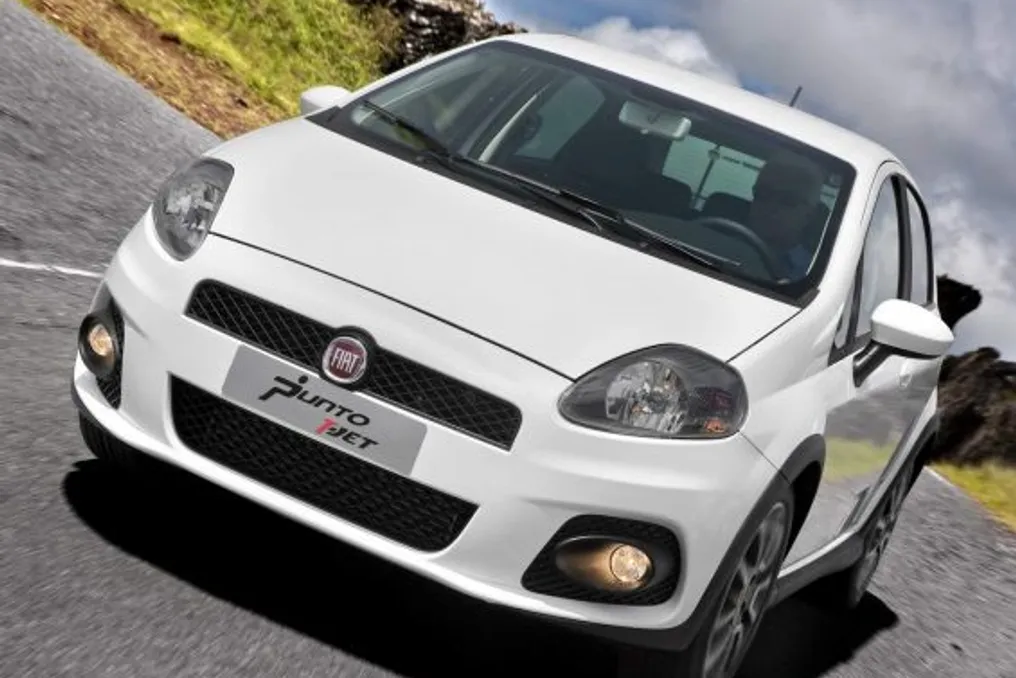
The Fiat Punto model could potentially return to the market, with the initiative coming from the executive who worked at a competing company for the past six years.

Arno Bellioni, the new CEO of Fiat, Abarth, and Lancia, previously served as Global Marketing Director at Renault from 2020 to 2026. He now believes that the presence of the Punto is necessary to compete against the Renault Clio in the European market.

During an exhibition in Paris, in an interview with L’Automobile Magazine, Bellioni stated that the Fiat brand 'must' have the Punto model. In the executive's opinion, withdrawing this hatchback from the lineup in 2018 allowed Renault to strengthen the position of the Clio, a trend also aided by the discontinuation of the Ford Fiesta in 2023.

If the Punto returns, it, according to Bellioni, should not follow the nostalgic concept present in the new 500e and Grande Panda models. He cited the sixth generation of the Clio as an example, which radically changed its appearance by abandoning ties to the past.

The executive recalled that the Punto itself was introduced in 1993 to replace the Uno and debuted with a design completely unrelated to its predecessor. Engine plans also differ from previous ones: in 2025, then-Fiat CEO Olivier François mentioned an electric version of the Punto with a sporty look but warned that the project was not under development.

Under Bellioni's leadership, the hatchback could feature both internal combustion engines and hybrid powertrains, rather than being exclusively electric. One basis under consideration is the CMP/eCMP multi-energy platform used by Stellantis compact cars, such as the Peugeot 208. Sharing the platform reduces project costs, and this would not be new, as the Grande Punto of 2005 shared a base with the Opel Corsa.

The same platform could serve as the foundation for a sporty Abarth version, filling the niche left by powerful hatchbacks like the Ford Fiesta ST. In Brazil, the Punto was sold from 2007 to 2017 before being replaced by the Argo. For now, Bellioni's plans are focused exclusively on the European market. Fiat has not confirmed this project, and if a revival occurs, it will require several years.

Popular