Ride-share drivers in São Paulo are closer to obtaining an exemption from the IPVA payment. Bill 633/2024, proposed by state deputy Enio Tatto (PT), aims to exempt vehicles used for passenger transport through digital platforms from the tax.
Last Wednesday, the 11th, this bill was approved by the Committee on Transport and Communications of the São Paulo Legislative Assembly (Alesp). Previously, in May, the text had already received a favorable opinion from the Committee on Constitution, Justice, and Drafting. Currently, the proposal is under review by the Committee on Finance, Budget, and Planning, and still requires approval in plenary and sanction by the governor to become law.
According to the bill, the tax waiver applies strictly to vehicles employed in serving passengers who use applications. The potential savings are significant, as the IPVA for passenger cars in São Paulo corresponds to 4% of the vehicle's assessed value; a car valued at R$ 80 thousand, for example, would result in an annual cost of R$ 3,200.
It is important to note that São Paulo's IPVA legislation already grants exemption to self-employed taxi drivers, but this benefit is restricted to a single vehicle used in the professional activity. This initiative is not new in Alesp, as in 2025, deputy Thainara Faria (PT) presented a similar bill, which establishes the requirement of at least ten months of operation in the sector.
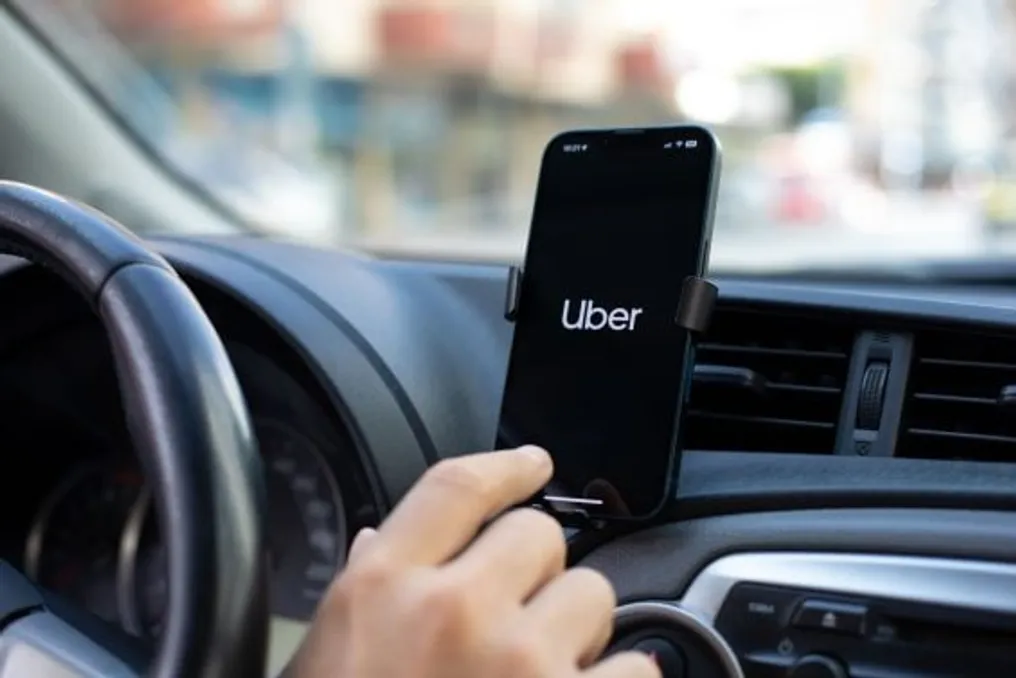
To support his defense, Tatto used data from the Brazilian Center for Analysis and Planning (Cebrap), which indicated that Brazil had 2.2 million ride-share drivers in 2024. Furthermore, data from Uber regarding 2024 were presented, the year the company completed a decade in the country. According to the platform, 80% of the adult population has used the application at least once, five million people have earned income from it since its arrival in Brazil, and more than R$ 140 billion has been distributed to drivers and delivery people.
According to Tatto's office, these indicators demonstrate the importance of the service provided and justify government incentives for these workers, for whom the vehicle constitutes an essential tool for work.