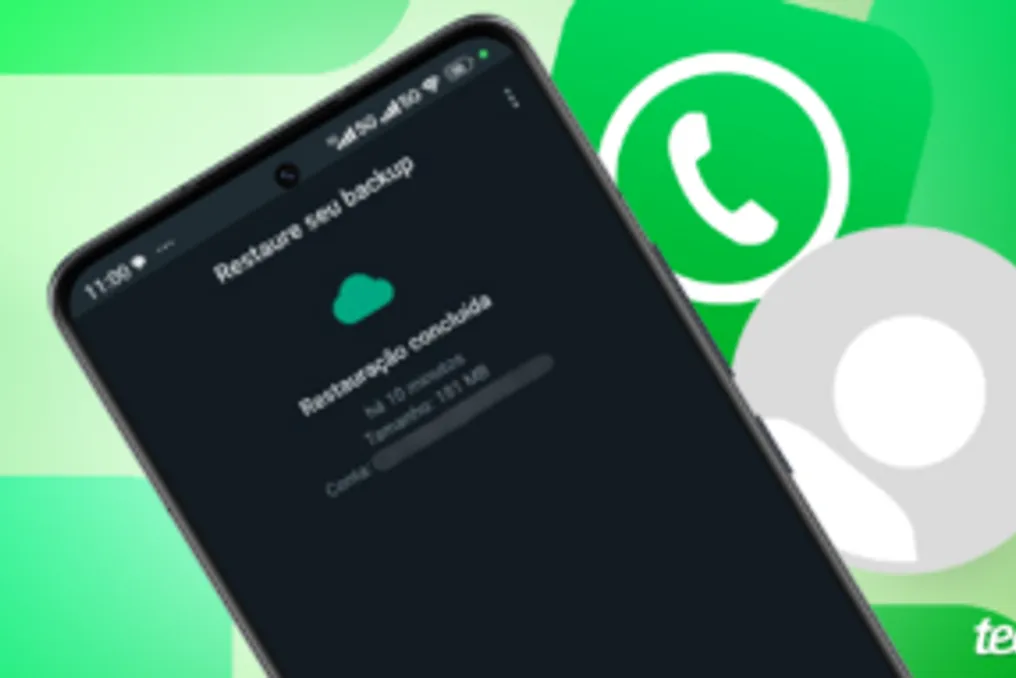
There are rumors that WhatsApp is implementing its own cloud backup service, which includes 2 GB of free storage, in addition to paid plans for greater capacity. Although this feature is not yet official, it has already started being made available to a select group of users.
This new functionality aims to allow users to keep a copy of their messages and files exchanged through the platform. This ensures that the content can be recovered if the user changes devices or reinstalls the application.
Currently, on Android, the only official WhatsApp backup option is Google Drive, while on iOS, the user must use iCloud. Both services offer free storage limits (15 GB and 5 GB, respectively), but these spaces may be insufficient or limit the storage of other files, depending on the backup volume.
As reported by WABetaInfo, this feature was detected in the beta version of WhatsApp 2.26.46.4 for Android, but its release is currently restricted to certain users. There are no updates available for the Apple ecosystem.
Eligible users find a screen that allows them to choose between the free storage provided by WhatsApp (with 2 GB) or continue using Google Drive. It is possible to switch between these two alternatives at any time, but it is not permitted to use both simultaneously.
By choosing the native WhatsApp backup, the user is required to keep end-to-end encryption active, as this protection is mandatory in the new service. Thus, the stored data is secured by an access key (passkey) or a 64-digit cryptographic key, preventing both WhatsApp and Meta from accessing such files.
For those who need more space, there is the possibility of subscribing to the WhatsApp Plus plan, which offers 100 GB of capacity. The cost of this option has not yet been disclosed. Additionally, according to WABetaInfo, users who need even more space can opt for a Meta One subscription, which offers plans up to 4 TB.
Meta has not set an official date for the launch of this native WhatsApp backup service, although there are speculations about a possible launch in the first half of 2027.