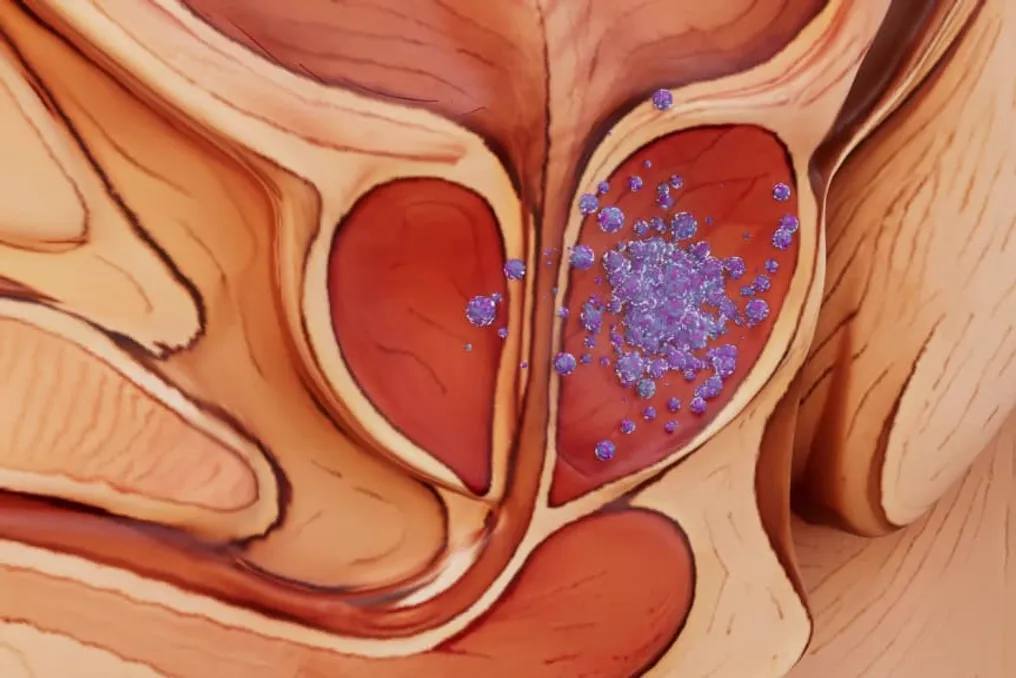
November is dedicated to prostate cancer awareness, a significant public health issue in Brazil. Although the disease continues to cause thousands of deaths annually, advances in molecular oncology and nuclear medicine are expanding treatment options.
Among these innovations are therapies called 'guided missiles.' This type of treatment aims to locate targets linked to cancerous cells and direct radiation specifically to those areas, ensuring the preservation of surrounding healthy tissues.
According to the National Cancer Institute (INCA), 17,258 deaths from prostate cancer were registered in 2023, an increase of approximately 23% compared to the nearly 14,000 deaths recorded in 2013. This data underscores the need to improve access to early diagnosis and available treatments. For the period 2026 to 2028, the institute projects a total of 77,920 new annual diagnoses in the country.
Population aging is a factor contributing to the increase in cases, as age is one of the main risk factors. However, difficulty accessing healthcare services and the reluctance of many men to seek medical assistance can delay tumor detection.
A notable challenge is that, in the early stages, prostate cancer rarely presents symptoms. It is crucial to seek medical evaluation when signs such as difficulty urinating, decreased urine flow, or blood in the urine appear; however, such changes do not always confirm the existence of a tumor and may have other origins.
An approach used to combat the disease in advanced stages involves the use of radiopharmaceuticals, which are drugs composed of a molecule capable of recognizing a specific biological target and a radioactive element. This combination allows for the transport of radiation to regions where there is a concentration of malignant cells.
This strategy integrates knowledge from various fields: molecular oncology identifies protein characteristics in tumor cells, while nuclear physics and nuclear medicine deal with radioactive materials that release energy to damage these cells. The purpose is to focus the action of radiation on defined points, avoiding indiscriminate exposure of the entire organism.
In conversation with Olhar Digital, clinical oncologist Bruno Carvalho Oliveira, from Oncologia D’Or in Brasília, detailed how this methodology concentrates treatment on diseased cells. He stated that radiopharmaceuticals constitute advanced nuclear medicine treatments, particularly useful for metastatic prostate cancer. Comparing them to 'smart drones,' they deliver radiation directly to affected cells, aiming to destroy tumor tissue while maximally protecting adjacent healthy organs and tissues.
It is this targeting capability that justifies the analogy with guided missiles. The molecule acts as a recognition system, guiding the radiopharmaceutical to the molecular target. At the site, the radioactive component releases energy that damages the DNA of tumor cells, potentially inducing their death.
A prominent example of this technology is Lutetium-177 PSMA. In this treatment, the radioactive element is linked to a molecule that recognizes PSMA, which stands for Prostate-Specific Membrane Antigen in English. This protein is present in large quantities on the surface of many prostate cancer cells and can even be found in metastases.
After intravenous administration, the drug disperses throughout the body and tends to accumulate in tissues that possess the molecular target. Lutetium-177 emits beta particles (electrons), which damage nearby tumor cells. Due to the short range of these particles in tissues, the radiation can reach both the cells that absorbed the radiopharmaceutical and neighboring tumor cells.
Before starting the procedure, doctors must confirm, through exams such as Positron Emission Tomography (PET) with a specific marker for PSMA, whether the lesions contain a sufficient amount of this protein.
Another radiopharmaceutical used against advanced prostate cancer is Radium-223. Unlike Lutetium-177 PSMA, this one does not depend on the recognition of a tumor protein. Its mechanism exploits the increased bone remodeling activity generated by metastases. Because it has chemical behavior similar to calcium, Radium-223 tends to concentrate in areas of high bone formation and renewal activity, where it emits high-energy alpha particles with a very limited range, causing damage to nearby cells.
This treatment is particularly relevant for patients with symptomatic bone metastases, which can cause intense pain and impair mobility. The drug is primarily indicated for individuals with castration-resistant prostate cancer, meaning the disease progresses despite efforts to reduce male hormone action. The indication also requires the presence of symptomatic bone metastases and the absence of known visceral metastases, such as those affecting the liver and lungs.
Despite being targeted, radiopharmaceuticals have side effects. According to Oliveira, Lutetium-177 PSMA can cause a temporary reduction in blood counts and affect salivary glands, resulting in dry mouth. Radium-223 requires monitoring of blood cell production, as the bone marrow can also be affected by the radiation.
However, the tolerability profile can be advantageous compared to certain conventional systemic treatments. The doctor clarified that because Lutetium-177 PSMA is specifically targeted at cancer cells, it demonstrates better tolerance than chemotherapy, not inducing nausea or vomiting, although it may cause cytopenia.
Cytopenia, defined as a drop in the number of blood cells, must be monitored during treatment. The decision on which modality to use depends on the stage of the disease, previous procedures, the patient's general condition, and the molecular characteristics of the tumor.
It is important to note that the claim of no nausea and vomiting should not be seen as an absolute rule for all patients. According to the drug leaflet, some individuals may experience these effects, as well as other adverse reactions, including dry mouth and changes in blood counts.
In addition to radiopharmaceuticals, molecular oncology provides drugs that exploit the genetic characteristics of cancer cells. An example is Poly (ADP-ribose) polymerase (PARP) inhibitors, indicated for patients whose tumors exhibit modifications in the BRCA1 and BRCA2 genes, which are involved in DNA damage repair. Other alterations in genes related to genetic material repair may also be considered, depending on the drug and clinical criteria.
When these genes undergo mutations, cells lose part of their ability to correct errors in their genetic material. Drugs that block PARP prevent cells from using another repair mechanism, causing damage to accumulate until it compromises the survival of tumor cells. The indication of these drugs depends on genetic tests that detect such alterations, and they are included in the guidelines of the Brazilian Society of Clinical Oncology (SBOC).
Another area of investigation is the PI3K/AKT signaling pathway, which regulates cell growth and survival. Alterations in the PTEN (phosphatase and tensin homolog) gene can favor the activation of this pathway, and strategies to interfere with this process are being studied as therapeutic alternatives for certain tumors.
Despite the new therapeutic possibilities, precision medicine does not negate the importance of diagnosing cancer before its spread. When detected at a localized stage, the disease offers chances for curative treatment, which may involve surgery and radiotherapy, according to medical evaluation.
INCA does not advise routine screening tests for all asymptomatic men. This is because the potential benefits must be weighed against risks such as false positive results, unnecessary biopsies, and treatment of tumors that might never cause problems.
The recommendation is that men interested in undergoing such tests discuss the pros and cons of screening with their doctors, taking into account age, family history, and other individual factors.
For Oliveira, the development of more sophisticated treatments must accompany awareness. He emphasized that the advance in treating metastatic disease, whether sensitive or resistant to hormonal blockade, is of great relevance, but the most crucial aspect is that the man becomes aware of the importance of self-care.
Although they operate through different mechanisms, radiopharmaceuticals and drugs aimed at genetic alterations increase the alternatives for men with advanced prostate cancer. These strategies do not constitute a universal cure, but they help control the disease and extend patients' lives.