Uzbekistan plans to introduce a mandatory preparatory year for six-year-old children
Read more
UzDaily
uzdaily.uz

Uzbekistan plans to introduce a mandatory preparatory year for six-year-old children

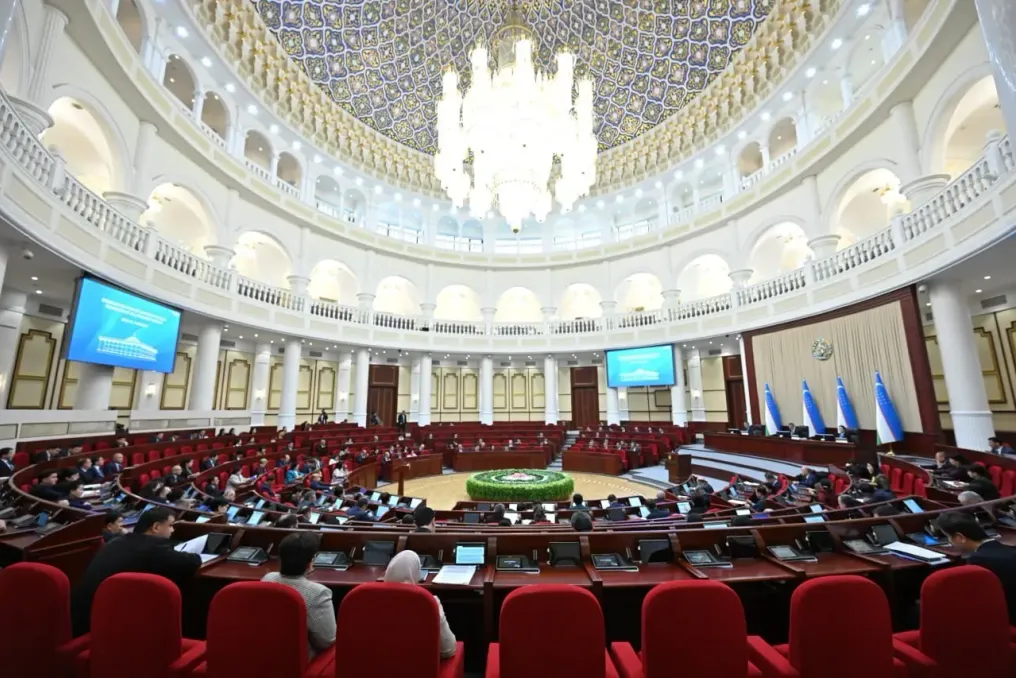
The legislative body of Uzbekistan, the Oliy Majlis, approved the bill on its first reading, which provides for the introduction of a mandatory one-year pre-school program for six-year-old children within the general secondary education system.

According to a statement from the Legislative Chamber, this discussion took place during the parliamentary session on November 17. The proposed model suggests integrating preschool and school education into a unified 12-year system, but this does not mean introducing an additional twelfth grade; after completing the preparatory year, children will continue their studies in the existing structure from the first to the eleventh grade.

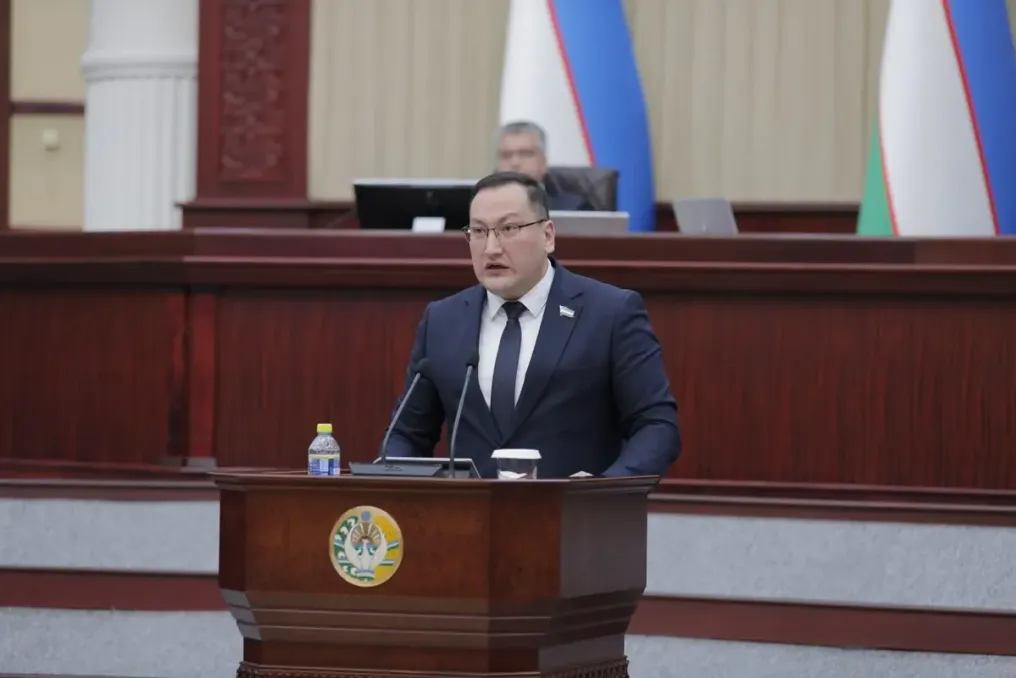
Mehri nis Pardaeva, Deputy Minister of Education and Science, who presented the bill, noted that this reform is aimed at improving the quality of education, not merely expanding the number of enrolled students. The goal of the new model is to improve children's readiness for the first grade and reduce disparities in their initial knowledge and skills.

The bill introduces amendments to the laws on education and preschool upbringing and education.

The Ministry reported that currently, 98% of six-year-old children receive pre-school preparation. A Presidential Decree from November 10, 2026, sets the goal of increasing this coverage to 100% by 2027.

Next year, over 905,000 children born in 2021 will reach the age of six. Existing groups and institutions can accommodate about 885,000 children, creating a deficit. In this regard, the ministry intends to create 800 additional preparatory groups, mainly in Karakalpakstan, Tashkent, and Fergana region. It is noted that in the remaining 11 regions, existing facilities already provide full coverage for children of this age.

The preliminary need for additional funding is estimated at 21.9 billion soms. Of this amount, 1.8 billion soms is allocated for teacher salaries, and 20.1 billion soms for equipping the groups. Teacher salaries are expected to be covered by budget funds allocated to the ministry, while local authorities will participate in equipping the groups using unused school premises.

During the discussion, UzLiDeP party deputy Saidullo Azimov asked whether parents would have to pay for mandatory preparation if their children attend private kindergartens. He referred to the constitutional guarantee of free general secondary education. A ministry representative stated that the mandatory preparatory year would be free regardless of the institution providing the classes, but current regulations allow parents to separately purchase additional educational services.

Azimov also raised issues regarding inconsistencies in the legal wording of the bill. Current legislation views pre-school preparation as a child's right, whereas the proposed model makes it a mandatory stage of education. A representative from the ministry's legal department explained that the right to education belongs to the child, and parents are responsible for ensuring this right. Azimov suggested clarifying the relevant provisions before the second reading.

Azimov questioned the readiness of the school infrastructure to expand preparatory groups. He noted that some schools already had more than 40 students in individual classes, and additional groups could increase the load on the facilities. The deputy also highlighted the growing birth rate: approximately 905,000 births were registered in Uzbekistan in 2021, 932,000 in 2022, and 961,000 in 2023. He suggested that this trend could further increase the demand for places in preparatory groups.

The deputy called for a detailed financial and economic assessment of the reform. He pointed out that the explanatory note mentioned no additional costs, while the ministry presented an estimate of nearly 22 billion soms in expenses.

It is expected that pre-school education will be organized in preschool institutions, general education schools, and other social facilities. Children who already attend kindergartens will be able to complete the preparatory year there without transferring to schools. For other children, groups will be created in schools with available premises; if suitable space cannot be found, other social facilities may be used. The education system will remain responsible for the educational process, curriculum, and supervision. Upon completion of the preparatory year, children will receive certificates.

The ministry expects that the new model will not create obstacles to admission to foreign universities. Ministry representative Erkin Murodov stated that adding a preparatory year before the existing 11 grades should not be a barrier to admission to foreign universities. Deputy Nodir Jumaev noted that some foreign universities require applicants to complete 12 years of preliminary education and may require graduates of Uzbek schools to undergo a paid preparatory program before starting their studies. He added that the proposed 12-year system could bring the duration of education in Uzbekistan closer to the requirements of these universities.

After the debates, the deputies approved the bill on its first reading.
Similar stories

Uzbekistan prepares to transition to 12-year education by incorporating a year of preparatory training into the secondary education system
Read more
gazeta.uz

Uzbekistan prepares to transition to 12-year education by incorporating a year of preparatory training into the secondary education system

Uzbekistan plans to integrate one year of mandatory preparation for six-year-old children into the general secondary education system, leading to a transition to a 12-year learning model. The legislative chamber of the Oliy Majlis reviewed and approved the relevant bill in its first reading on November 17.

This document provides for the unification of preschool and school education, ensuring continuity of the educational process and establishing a total education duration of 12 years. It is important to note that this does not involve creating an additional 12th grade, but rather incorporating the existing one-year preparatory stage for six-year-olds into the structure of general secondary education, after which children will continue their studies from the first to the eleventh grade.

Goals and Objectives of the Reform

Mehri nisso Pardayeva, Deputy Minister of Education and Science, stated that previous efforts were focused on increasing population coverage, and now it is time to focus on the quality of education. According to her, the new structure is designed to improve children's preparation for primary school, reduce disparities in their initial knowledge and skills, and bring Uzbekistan's education system in line with global standards.

The bill introduces amendments to the laws 'On Education' and 'On Preschool Education and Upbringing.' Mehri nisso Pardayeva reported that the current coverage of six-year-olds preparing for school has reached 98%. According to the President's decree (UP-242) of November 10, 2026, this indicator must increase to 100% by 2027.

According to ministry estimates, in 2027, over 905 thousand children who were born in 2021 will reach the age of six. Existing preparatory groups and facilities can accommodate about 885 thousand children, which is 98% of the total number. To cover the needs of the remaining approximately 20 thousand children, additional places need to be organized, which is planned through the opening of 800 preparatory groups, mainly in Karakalpakstan, Tashkent, and Fergana region. In the other 11 regions, full coverage is ensured, according to the ministry.

The preliminary need for additional funding is estimated at 21.9 billion soms. This amount includes 1.8 billion soms for teacher salaries and 20.1 billion soms for equipping preparatory groups. Salary financing is planned to be carried out from budget funds allocated to the ministry, while equipment issues will be covered by attracting local authorities, including through the use of vacant school premises.

The ministry has also begun revising curricula and preparing and improving teachers' qualifications while developing necessary subordinate acts.

Payment Issues and Legal Status

During the discussion, deputy Saidullo Azimov of UzLIDEP raised the issue of potential inconsistencies between the bill and the Constitution. He recalled that Article 50 of the Constitution guarantees free and compulsory general secondary education. However, since the preparation of six-year-olds may take place not only in state schools but also in private kindergartens, the question arose whether parents should pay for the one-year preparation in non-state institutions.

Saidullo Azimov emphasized that if this is compulsory education, it must be free, and he demanded clarification regarding payment in private kindergartens. A ministry representative assured that the basic compulsory preparation would be completely free, although parents retain the right to use paid educational services.

The deputy also pointed out a contradiction in the bill regarding the legal status of the new stage: current legislation views preparation as a child's right, whereas the new model makes it mandatory. A representative of the ministry's legal service explained that the right to education belongs to the child, and the obligation to provide it lies with the parents.

Despite the explanations, Saidullo Azimov disagreed with this interpretation and proposed revising the wording for the second reading, insisting on a clear definition of the legal status of the preparatory year.

Infrastructure Problems and Birth Rate Growth

Saidullo Azimov also highlighted the readiness of school infrastructure for expanding mandatory preparation. He noted that some schools already lack premises, and some classes have more than 40 students. In his opinion, opening new preparatory groups under these conditions could increase the burden on educational institutions, as the infrastructure is not ready to ensure an optimal number of students per class, as in some private schools.

The deputy also pointed to the trend of rising birth rates: around 905 thousand children were born in 2021, 932 thousand in 2022, and 961 thousand in 2023. This implies an increasing need for places for six-year-olds in the future. Azimov requested a more detailed financial and economic justification for the reform from the ministry, especially considering that the explanatory note mentioned no additional costs, while the meeting presented cost estimates of nearly 22 billion soms.

Preparation Places and International Recognition

Ministry representatives clarified that the one-year preparation can take place in three types of institutions: preschool educational organizations, general education schools, and other social sphere facilities. If a child already attends kindergarten, they do not need to transfer to school; the education will continue in the kindergarten's preparatory group. For children who do not attend preschool institutions, groups will be organized in schools with suitable premises or at other social sphere facilities, with the organization and control remaining under the education system.

Regarding the compliance of the new model with international standards, ministry representative Erkin Murodov stated that the existing stages of education meet international norms, and adding a one-year program should not cause problems with diploma recognition abroad.

Nevertheless, deputy Nodir Jumaev noted that some foreign universities require graduates of Uzbek schools to complete a Foundation preparatory program because admission to several countries requires 12 years of prior education. He believes that transitioning to a 12-year system will help bring the duration of study closer to international requirements.

Uzbekistan approves mandatory one-year preparatory education before school
Read more
uzdaily.uz

Uzbekistan approves mandatory one-year preparatory education before school

The legislative body of Uzbekistan, the Oliy Majlis, approved on its first reading a bill that provides for the inclusion of a one-year preparation for school into the system of compulsory general secondary education.

The proposed amendments concern the laws 'On Preschool Education and Education' and 'On Education.' The goal of these changes is to ensure continuity between preschool and school education.

According to the draft legislation, the one-year preparation for school will be defined as the initial stage of compulsory general secondary education. It is planned that this preparation will be available in both preschool and general educational institutions.

The bill also enshrines the right of children to receive this preparatory program. The initiators of the initiative assert that the proposed changes will improve the quality of children's preparation for school and ensure the continuity of the educational process.

Furthermore, they are aimed at increasing the international prestige of the Uzbek education system and creating more favorable conditions for citizens who continue their studies abroad.

Popular