Overview of Brazilian Wine: Production Growth and National Market Challenges
Read more
Super Abril
super.abril.com.br

Overview of Brazilian Wine: Production Growth and National Market Challenges

During a tasting held in October in Bento Gonçalves (RS), the author observed a spectacular service where dozens of waiters distributed the same wine synchronously to about 800 people. This event was part of the 34th edition of the National Wine Evaluation. Annually, producers send samples to the Brazilian Association of Enology (ABE), where one hundred enologists taste the beverages blind to select those that best represent the national harvest across various categories, including dry red, rosé, and sparkling bases.

The wines evaluated came from 558 samples. The identity of the producers is only revealed at the end of the tasting. This year, 14 wines from Rio Grande do Sul, one from Santa Catarina, and one from the Federal District were presented.

Although the Cerrado may not be the initial image associated with a winery, this fact illustrates the current panorama of Brazilian wine: there has never been so much production in so many distinct regions. In 2025, Brazil counted 965 wineries in 18 states plus the DF, an increase of 41.5% compared to 2020. Lucia Porto, journalist and co-founder of the website Brasil de Vinhos, estimates that the real number could be between 1,000 and 1,200. The diversity of labels has also grown significantly, reaching 16.2 thousand different products, representing an 88.1% increase in the last five years.

The proliferation of wine in a country with multiple climates is possible due to a unique characteristic: Brazil is the only place in the world where grapes are cultivated in three ways. Contrary to the global trend of reducing vineyards and consumption, the opposite is happening in Brazil. In 2025, vineyard area grew by 9.6% compared to 2024, while wine consumption increased by 19.9% above the average of the last five years, totaling 440 million liters.

Despite the Brazilian per capita consumption being about 2 liters annually (compared to triple that of France), Brazil shares with Japan the status of growing demand, with 2025 being the year with the lowest global wine consumption of the century. The wine sector moved R$ 21.1 billion in Brazil in 2025, indicating a heated domestic market, although logistical and distribution challenges for national labels exist.

The Earth

The grape belongs to the genus Vitis, comprising about 80 species. Among them, Vitis vinifera stands out, originating from Europe and Asia. Although thousands of vinifera varieties exist, only a few dozen are commercially cultivated, such as Merlot, Cabernet Sauvignon, Chardonnay, and Pinot Noir.

Many vinifera grapes are not suitable for direct consumption because they are small, have seeds, and astringent skins. However, they are ideal for wine production, as sugar serves as fuel for yeasts during alcoholic fermentation. Acidity and tannins, when well managed, provide freshness, structure, and longevity to the beverage, while hundreds of aromatic compounds are revealed by the fermentation and aging process.

These grapes are extremely sensitive to the environment, which allows the same variety to produce distinct wines depending on the terroir—the combination of climate, soil, and regional management. This delicacy, however, implies greater vulnerability to pests and climate change.

The first vinifera arrived in Brazil in 1532, with the Portuguese purpose of producing wine for masses and personal consumption. Initially, attempts on the São Paulo coast failed. The vines thrived for a few decades after being taken to the mountains but were abandoned due to the focus on gold mining in Minas Gerais.

Vitis vinifera reached the current Rio Grande do Sul in the 17th century, brought by Spanish Jesuits, but production was interrupted by conflicts between missionaries, indigenous people, and bandeirantes. In 1839, the Gaucho diplomat José Marques Lisboa introduced the Isabel grape, a resistant and highly productive hybrid that could be consumed raw, after finding it in the USA.

Lisboa sent Isabel cuttings to Rio Grande. Although the variety was already planted in São Paulo, it was in the South that production took off, driven by the work of immigrants. French and German immigrants settled first on the coast and plains, followed by Italians in 1875, who settled in the Serra Gaúcha, far from Porto Alegre. The inclined terrain of this region proved favorable for the Isabel grape, facilitating water drainage and air circulation.

With the winemaking tradition, production quickly gained momentum, transforming colonies like Bento Gonçalves and Garibaldi into cities. The surplus from home production was marketed by the first wineries, giving rise to old names such as Salton, Peterlongo, and Aurora.

The Wine

Rio Grande do Sul is the main grape producer in Brazil, with 70% of what is planted being American or hybrid grapes, mainly Isabel. These grapes are used to produce juice or table wine, which has a faster and more economical process, representing more than half of the volume consumed in the country, usually in the milder versions.

Historically, table wines formed the basis of national viticulture. However, in recent decades, the fine wine category, made exclusively with Vitis vinifera, has gained prominence. These wines are more expensive and result in beverages of greater complexity, often highlighted in guides and competitions.

Fine wine production began to gain strength in Brazil in the 1970s, a crucial period for global wine. It was then that 'New World' labels began to gain recognition in competitions, equaling the millennia-old European production. This advance intensified after the Great Wine Tasting in Paris in 1976, when Californian wines surpassed French labels in a blind tasting, a phenomenon that spread to Australia, South Africa, Chile, and Argentina.

Foreign companies, such as Chandon and Almadén (now part of the Miolo group), established themselves in Rio Grande do Sul, attracted by the initial economic growth of the military regime and the difficulty of importing into Brazil. These multinationals brought enologists, new technologies, and thousands of European grape cuttings, offering bonuses to farmers who adopted these varieties. During this period, Embrapa Uva e Vinho was also created, a branch of the Brazilian state-owned company that assisted in improving cultivation and production techniques.

In the 1990s, the opening of the national market allowed the entry of imported labels with reduced customs tariffs, leading some foreign companies to leave Brazil. However, their presence left important legacies: the expansion of vineyard area with the reintroduction of Vitis vinifera in the Gaúcha Campaign and the development of fine wines in the São Francisco Valley, in the Northeast. There was also a specialization of labor, leading major Brazilian wineries, previously focused on table wines, to develop their fine lines, and grape growers who supplied vinifera to multinationals to create their own wineries.

At the beginning of the century, Brazilian wines began to be recognized in international awards, with sparkling wines leading this movement. Produced in the Serra Gaúcha since the 1910s and improved with the arrival of multinationals from the 1970s onwards, they gained global prestige. The conditions of the Serra are ideal for sparkling wines, and the quality combined with competitive price results in good cost-benefit, given that more than 85% of sparkling wines consumed in Brazil are from national labels.

The situation of still fine wines is different: more than 80% of national consumption comes from imports, maintaining a constant dispute with foreign products.

The Glass

According to the Ideal BI consultancy, imported wines (of any type) represent one-third of the volume consumed in Brazil but account for 56% of the market revenue. In the previous year, Brazil imported US$ 560.7 million worth of wine, with Chile being the largest supplier, accounting for 38% of this amount. However, this scenario may change with the free trade agreement signed between Mercosur and the European Union for 2026, which foresees a gradual reduction of taxes, potentially lowering European labels by up to 20% over eight years.

This change is positive for connoisseurs of Portuguese, French, and Spanish wines, but it represents a warning for Chilean, Argentine, and Brazilian producers due to increased competition. As an alternative, exports can be explored; in 2025, Brazil reached US$ 13.8 million in exports, a 25% increase compared to 2024, although it remains a niche difficult to exploit.

To diversify the offering, the author experimented with modern drinks in the Serra Gaúcha, such as orange wine, made with white grapes that remain in contact with the skins for longer, and options like denatured wine. Less common varieties in Brazil, such as Alvarinho (Portuguese) and Marselan (French), were also tasted, while research continues to find grapes suitable for the country.

One way to enhance national labels is through Geographical Indications (GIs), government registrations granted to regions renowned for a product or whose characteristics are linked to the territory. The first Brazilian GI was that of the Vale dos Vinhedos, in the Serra Gaúcha, in 2002. Currently, there are hundreds of GIs in the country. For wines, there are 13. Obtaining a GI requires years of study with local producers and partners like Embrapa, and the seal helps standardize production.
Similar stories

Germany leads the world ranking of best vineyards in 2026
Read more
viagemeturismo.abril.com.br

Germany leads the world ranking of best vineyards in 2026

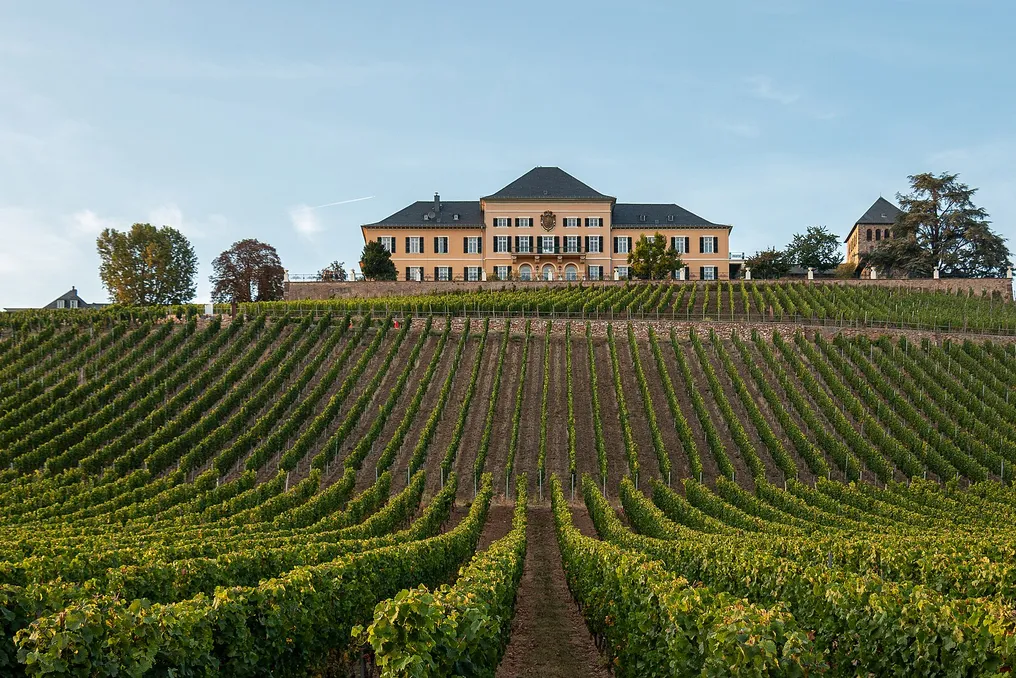
The Schloss Johannisberg winery, located in the Rheingau region of Germany, was recognized as the best in the world in The World’s 50 Best Vineyards 2026 ranking. This result was announced on Wednesday, the 18th, during a ceremony held at Viña Don Melchor winery in Santiago, Chile.

The German property not only reached the global top but also secured the title of best vineyard in Europe, moving up from second place in 2025 to first place. With a history spanning over 1,200 years, Schloss Johannisberg is renowned for producing Riesling and offers visitors tasting opportunities and tours through its historic cellars, including the Bibliotheca Subterranea, as well as its vineyards and gardens.

Following positions in the ranking

Second place was won by Bodegas Ysios, located in the Spanish region of Rioja. In third place was Montes, from the Colchagua Valley, Chile, which was also awarded the title of best vineyard in South America. Montes demonstrated a significant ascent, rising seven places compared to the previous year, and offers visits to its gravity-fed winery, along with tastings and gastronomic experiences at the Fuegos de Apalta restaurant.

Another Chilean highlight among the top ten is Clos Apalta, also from the Colchagua Valley, which returned to the ranking occupying sixth place. Meanwhile, Concha y Toro, in the Maipo Valley, made its debut on the list, ranking 23rd.

The 2026 ranking covers properties from 15 distinct locations, spread across six continents and 31 wine regions. In addition to Chilean wineries, the list features representatives from countries such as France, Portugal, Australia, South Africa, Lebanon, and the United States.

Regional highlights

In South Africa, Creation secured fifth place and was named the best winery on the African continent. In Oceania, the title went to Vasse Felix, an Australian winery, which entered the list in 17th place and also received the best newcomer award. Meanwhile, Champagne Taittinger, from France, was awarded for the biggest advancement in the ranking, jumping from 50th to 11th place.

Lebanon also stood out with Château Kefraya, in the Bekaa Valley, which returned to the ranking in 18th place and was chosen as the best vineyard in the Middle East. In North America, Jordan Vineyard & Winery, in California, achieved 27th place.

Evaluation methodology

The selection of vineyards is conducted by an academy composed of over 700 wine and tourism experts, distributed in 20 areas of the world. This group includes sommeliers, specialized journalists, wine connoisseurs, and travel professionals. Each member indicates seven vineyard experiences they consider among the best globally. The evaluation is not based on a fixed score; voters consider factors such as wine quality, ambiance, hospitality, and offered activities. To be included in the 2026 edition, each property needed to receive votes from at least two countries.

This edition also introduced two new awards. The One to Watch Award, intended for properties with future potential, was given to Aya Estate, in Bulgaria. Additionally, the SevenRooms Icon Award paid posthumous tribute to French winemaker Michel Rolland, in recognition of his contribution to wine tourism.

How Black-Owned Wine Brands Can Increase Their Market Share
Read more
foodformzansi.co.za

How Black-Owned Wine Brands Can Increase Their Market Share

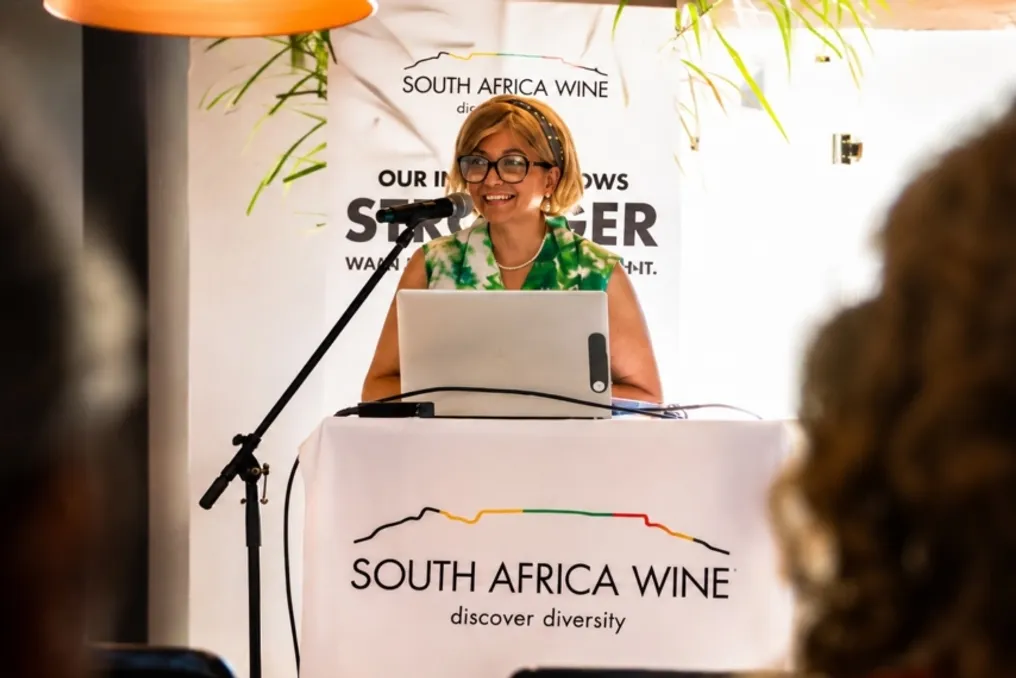
Creating quality wine is only one task; getting it onto store shelves, serving it in glasses, and receiving appropriate payment is an entirely different challenge. This complex issue was discussed at the Inclusive Growth Indaba 2026, organized by South Africa Wine.

At this event, held on Tuesday at The Wine Arc in Stellenbosch, Western Cape, representatives of Black-owned wine brands, as well as grape varietal producers, met with buyers, politicians, and financiers. The main focus was on factors that promote growth, persistent obstacles to commercial success, and necessary measures to accelerate the transformation process.

Panel discussion participants were selected based on the 'Most Significant Changes' survey, which helped identify businesses that have demonstrated tangible progress. Setting the tone for the discussion, Karin Kleinbuys, Executive Director for Inclusion and Development at South Africa Wine, emphasized that competitiveness and inclusivity are not mutually exclusive concepts.

She clarified that South Africa Wine promotes inclusivity not merely for formalities, but to give Black enterprises a real opportunity to develop and contribute to the industry. The Inclusion and Development team works with approximately 114 Black-owned brands, about 35% of which are wholly owned by women. Partnerships, such as the Western Cape export program, have helped these brands enter markets in Africa, Europe, and Asia, including China, Japan, South Korea, and Thailand.

Chris O’Shea, a pricing and branding consultant for business, stated that to compete, brands need to rethink their starting point. He noted that price is a result, not a starting point. It is much more important to focus on understanding the consumer, the brand, and the market. In his words, too many brands start with the product and then look for buyers.

O’Shea also made a sharp remark regarding branding honesty, advising to 'stick to the truth.' He warned that consumers are well-informed and quickly recognize dishonest brands, so it is important to be honest with oneself. Furthermore, he added that since consumers buy with their eyes, packaging and formats matter, citing flexible premium options such as pouches and the 'bag-in-a-box' format.

O’Shea explained why large retail chains often reject applications from small brands. He recounted his experience trying to bring a product into Woolworths, where the retailer insisted on working only with already established companies. The reason, in his opinion, was the retailer's desire to gain trust, as small brands are subject to ups and downs, which buyers avoid. Therefore, small brands must prove that they are reliable and capable of operating daily.

Phil Bouws, Manager of Inclusive Growth Strategies at South Africa Wine, strongly urged companies to integrate into the industry instead of acting in isolation. Bouws, who selected entrepreneurs for the indaba based on the results of his 'Most Significant Changes' survey, argued that those closest to the consumer ultimately control the value chain. He cited the example of a family winery that partnered with a large producer-distributor and gained access to its sales channels. He advised Black brands to seek similar partnerships.

Bouws also noted that the area of vineyards in South Africa is shrinking, amounting to about 86,000 hectares, and vine removal continues. Since there is currently too much wine in the system, he suggested that opportunities may arise for brands that can acquire wine and place it wisely. Meanwhile, he warned of 'multiple destruction' in the mid-market segment. His advice to brands facing pressure to lower prices was to rather gift a bottle than reduce the price, as restoring the previous price point is extremely difficult.

Spain leads Europe in non-alcoholic beer consumption
Read more
noticiasaominuto.com

Spain leads Europe in non-alcoholic beer consumption

Spain holds a leading position in Europe for non-alcoholic beer consumption, accounting for nearly 25% of total consumption in the European Union. The country is the main market for this beverage within the community, and this trend is expected to continue this year.

On the occasion of World Alcohol-Free Day, observed today by initiative of the World Health Organization (WHO), the agency EFE reported that the volume of non-alcoholic beer sales is expected to grow by 2.7% compared to 2025, contrasting with a 1.5% drop in traditional beer sales.

This growth is part of a trend observed in recent years: non-alcoholic beer sales have increased by 12.8% compared to the previous two years, according to a company analyzing consumer behavior in the country.

According to data from Cervejeiros de Espanha, 44.7% of Spaniards consider themselves consumers of non-alcoholic beer, while 90% of them also consume or have consumed traditional beer.

There is also growth in the non-alcoholic wine market in Spain, although it still lags significantly behind traditional wine sales. Jose Luis Benítez, President of the Spanish Wine Federation (FEV), noted that absolute consumption volumes in Spain are still lower than traditional wine sales, which reach 900 million liters.

Nevertheless, he emphasized that non-alcoholic options show 'very high' annual growth, predicting that consumption will increase by two million liters by 2029, reaching five million.

Despite the conviction that the current younger generation consumes less alcohol, representatives of the nightlife owners' association argue that the decrease in consumption is related to demographic factors and the frequency of evening outings. They point out that in 2000, the share of the population aged 15 to 29 was 23% of Spain's population, whereas in 2025 this figure decreased to 15.9%, and this age group has also reduced the number of monthly outings by 25%.

Popular