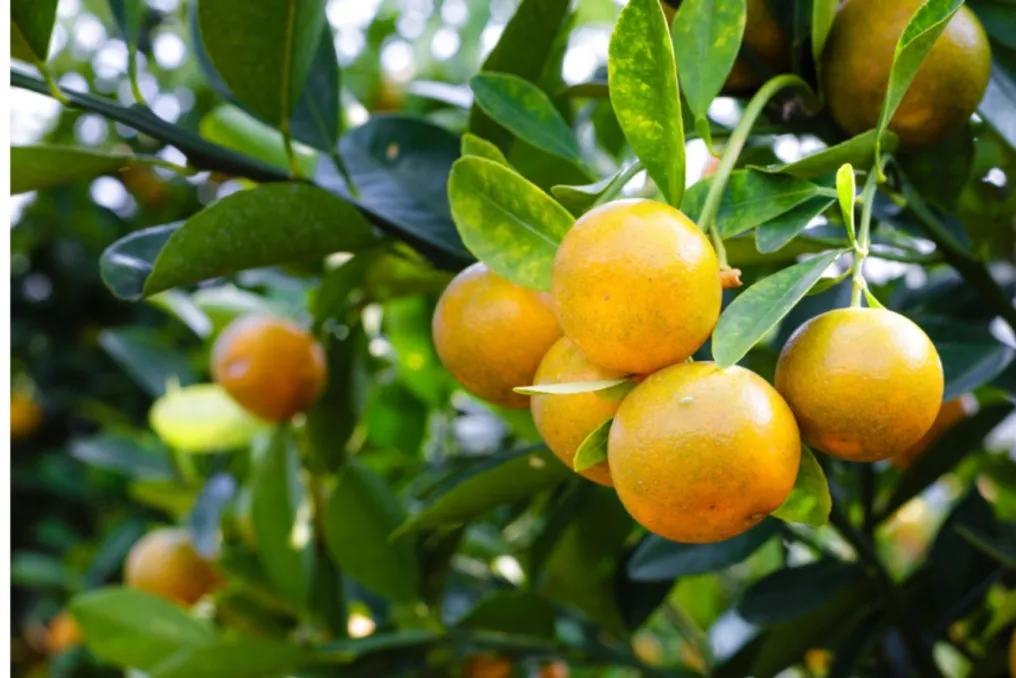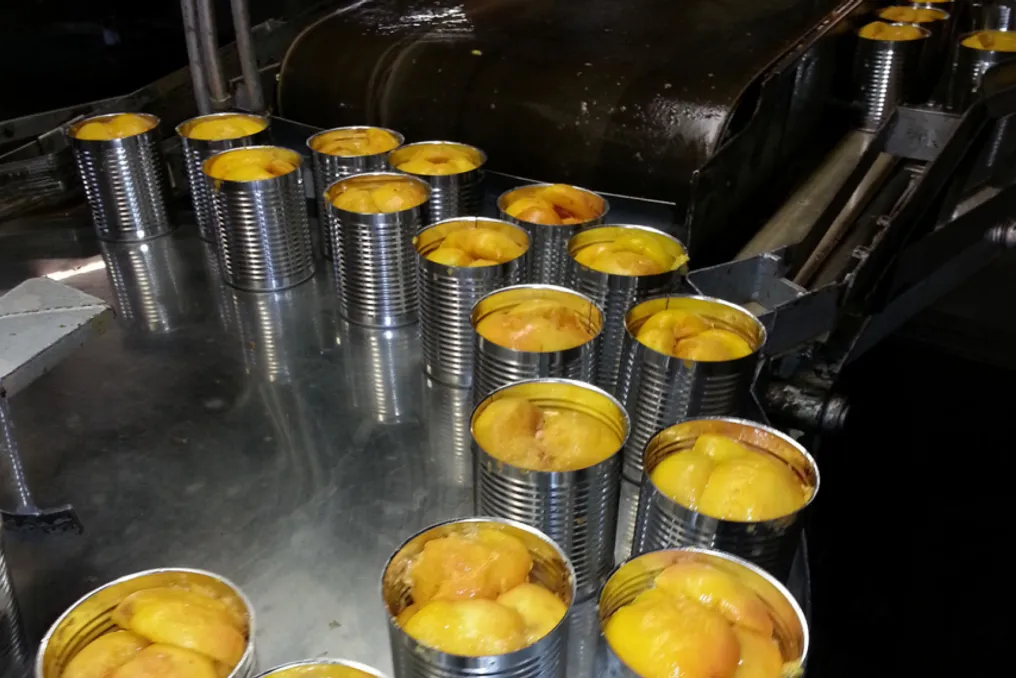
The Fruit Producers Association (CFPA) accused Premier FMCG of demanding that fruit producers waive potential contractual claims in exchange for financial assistance following the closure of the canning factory in Tulbach.
This dispute arose after Premier decided to exit the leaf fruit canning sector. The Fruit Products Western Cape factory was a major buyer of peaches and apricots from producers in the Western Cape.
Last Monday, five producers and Premier were present at the High Court of the Western Cape. The parties apparently agreed to the terms of a settlement agreement applicable to them, although GroundUp could not obtain a copy.
In a statement published last Wednesday, CFPA accused Premier of pressuring producers to terminate their supply contracts and abandon claims against the company, including those they may not yet be aware of.
The association stated: 'Premier presents these arrangements as support for farmers but does not explain the rights they must give up. This gives the public an incomplete picture.'
CFPA emphasized that Premier's payments thus allow the company to acquire something valuable: freedom from future supply obligations and potential claims.
The association reported that producers had invested significant capital in orchards relying on the long-term market through this canning factory. The previous owner, Rhodes Food Group (RFG), encouraged new plantings, requested five-year production plans, and assured producers that the merger with Premier would not change their terms.
The association cited one producer who spent over 3 million rand on expanding their orchards by 10.5 hectares.
The statement read: 'Investments of this nature require a reliable market for many years. Guarantees for only one harvest will not protect them.'
CFPA noted that producers could not find another industrial buyer in such a short time or replace the income from existing orchards. Tree establishment takes years, while farm costs such as loans, wages, and other expenses continue to accrue. The association added that once the fruit ripens, producers have only a few days to harvest and deliver it before spoilage.
However, Premier disputes this characterization. Responding to GroundUp, the company stated that its supply contracts with producers terminated when it exited the fruit canning industry.
Premier clarified: 'Voluntary settlement offers therefore do not require producers to cancel their agreements, but offer financial certainty in exchange for the release of outstanding or disputed claims.'
The company stated that it recognizes the serious impact of its decision on producers and remains committed to responsible and fair transition management.
Premier reported that it has reached settlement agreements with 83 peach producers totaling 65.5 million rand. According to Premier, these agreements provide financial support for orchard removal, delivery of agreed fruit, or transition to alternative markets.
Premier stated that these settlements demonstrate its 'significant commitment' to supporting affected producers. It added that the agreements do not affect amounts that may still be payable for fruit delivered in the previous season.
CFPA reported that Premier set a deadline of 5:00 PM on November 8th (the day before the court hearing) for producers to decide whether to accept its offers. The association stated that it had requested an additional five-day extension to give producers more time to consider the terms, but Premier refused.
The association stated: 'Producers deserve fair terms and time to make informed decisions. The public deserves to know the whole story of what Premier is demanding in return.'
Premier explained that the timing of its offers was dictated by the approaching harvest and the need for producers, the company, and alternative processors to agree on fruit volumes, production capacity, and deliveries.
The company stated that producers are not obliged to accept the settlement offers and retain the right to defend their contractual position through appropriate dispute resolution mechanisms.
Premier noted that it considered alternative proposals put forward by the association but did not accept them on the terms presented.
The company pointed out that the contractual position of some producers remains subject to ongoing litigation and discussion, and that it does not deem it appropriate to discuss disputed contractual issues in the media.
The association also drew attention to Premier's interim financial results for the six months leading up to September, published last week. The company reported revenue of approximately 14.3 billion rand, a 39% increase, and a net profit of 1.2 billion rand, which is more than 62% higher.
CFPA noted that these results cover the same period when Premier closed the canning factory in Tulbach, stopped purchasing canned fruit, and asked producers to settle their contractual claims.
The statement read: 'A business showing such good results has enough capacity to treat its producers fairly.'
Previously, Premier had stated that the closure was due to commercial pressures, including changes in global demand, pressure on export markets, rising raw material costs, and low factory utilization. It also announced intentions to purchase some fruit for the 2026/27 season and offered compensation to producers for underdeliveries.
Premier stated that it remains committed to constructive engagement with affected producers and their representatives, implementing the agreements already reached and working towards practical outcomes that provide certainty and support during the transition.