Xiaomi Redmi Note 15 5G vs. Motorola Moto G86 Comparison: Which Mid-Range Smartphone is Better for the User?
Read more
Olhar Digital
olhardigital.com.br

Xiaomi Redmi Note 15 5G vs. Motorola Moto G86 Comparison: Which Mid-Range Smartphone is Better for the User?

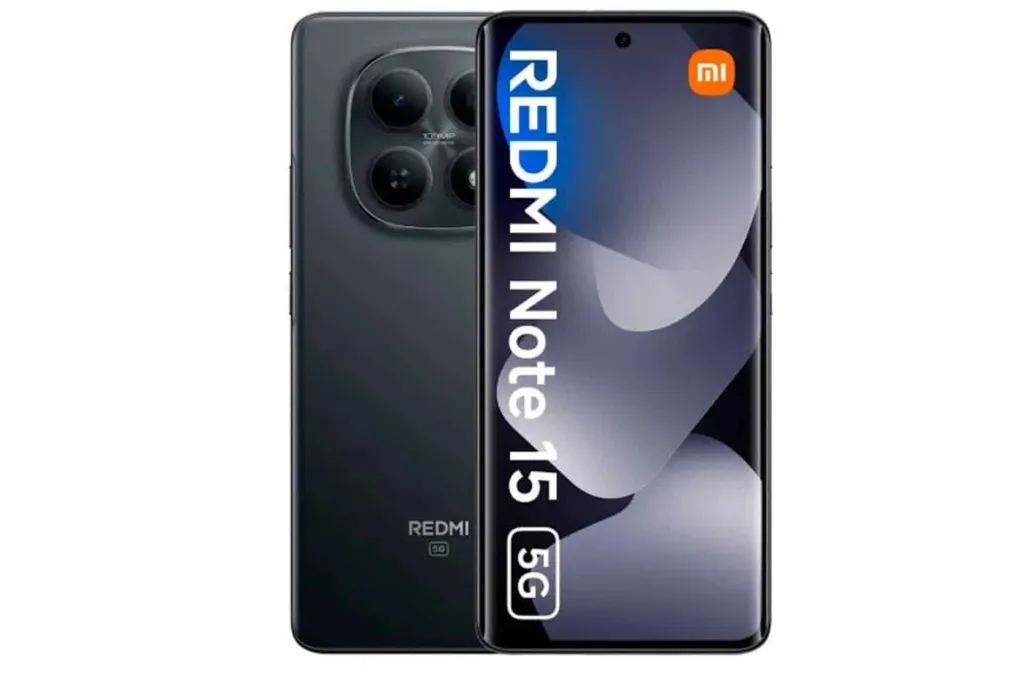
Xiaomi and Motorola offer good options for those looking for advanced features without needing to purchase a flagship device. The Redmi Note 15 5G focuses on large battery capacity and a 108 MP main camera. Meanwhile, the Moto G86 attracts attention with its 1.5K resolution pOLED display, MediaTek Dimensity 7300 processor, and enhanced dust and water resistance.

Both devices feature an 8GB RAM and 256GB internal storage configuration in the compared model, but there are differences beyond technical specifications. Both smartphones are equipped with displays with up to 120Hz refresh rates, ensuring smoother scrolling and animation, though the difference lies in the technology and resolution.

The Redmi Note 15 5G is equipped with a 6.77-inch AMOLED display with a resolution of 2392 x 1080 pixels and a stated maximum brightness of 3200 nits. This combination is very interesting for watching videos, navigation, and using the device outdoors.

The Moto G86, on the other hand, uses a 6.7-inch pOLED panel with a 1.5K resolution, a maximum brightness of 4500 nits, and Gorilla Glass 7i protection. This combination provides higher detail and, according to manufacturer data, greater brightness in intense lighting. In this aspect, Motorola has an advantage in technical specifications, although Xiaomi also offers a high-class screen for this category.

Different solutions are used for the platforms. The Redmi Note 15 5G runs on the Snapdragon 6 Gen 3, manufactured using a 4nm process, featuring an octa-core CPU and a frequency up to 2.4 GHz. The Moto G86 is equipped with the MediaTek Dimensity 7300, which is also produced in 4nm. This platform comes with 8GB of RAM and 256GB of internal storage. Motorola additionally claims the ability to increase memory up to 16GB via RAM Boost, which uses part of the storage as virtual memory.

Both sets are suitable for social media, navigation, streaming, productivity apps, and gaming. However, the Dimensity 7300 will likely provide a more powerful platform for demanding tasks, putting the Moto G86 in a favorable position for users prioritizing performance. It is important to remember that user experience also depends on system optimization, memory management, and application behavior, and the claimed amount of virtual RAM does not equal physical memory.

Xiaomi emphasizes impressive figures. The Redmi Note 15 5G has a 108 MP main camera with Optical Image Stabilization (OIS), an f/1.7 aperture, and a 1/1.67-inch sensor. This setup is complemented by an 8 MP wide-angle camera and a 20 MP front camera. Rear video recording reaches 4K at 30 frames per second.

Motorola takes a different approach. Its main sensor uses Sony LYTIA 600 with a 50 MP resolution, also featuring optical stabilization. It also includes an 8 MP ultra-wide/macro camera and a 32 MP front camera. A key difference is the ability to record video in 4K from the front camera, according to the manufacturer's information.

In practice, 108 MP from Xiaomi does not automatically guarantee better photos than Motorola. Sensor size, aperture, image processing, and stabilization directly affect the final result. Redmi offers a higher resolution main lens, while the Moto G86 relies on the Sony sensor and AI functions for image optimization.

Battery life is another standout feature for the Redmi Note 15 5G. The device is equipped with a 5520 mAh lithium-carbon battery and 45W turbo charging. Xiaomi also includes 18W reverse charging, allowing the smartphone to power other compatible devices.

The Moto G86 has a 5200 mAh battery and 33W TurboPower charging. Motorola claims up to 41 hours of use, but this figure depends on testing conditions and usage profile. A higher-power charger is sold separately, according to the manufacturer's information.

On paper, Redmi has an advantage in both battery capacity and charging speed. Reverse charging is also a useful extra feature for users of wireless headphones, smartwatches, or other accessories.

If durability is important, Motorola demonstrates a significant advantage. The Moto G86 has IP68 and IP69 certifications and has passed tests based on military standard MIL-STD-810H procedures. The screen is also protected by Gorilla Glass 7i. This means increased protection against dust, immersion in fresh water within specified limits, and jets of water under controlled conditions. However, this does not mean the device is invulnerable or can be used in water normally.

The Redmi Note 15 5G has an IP65 certification, which provides protection against dust and water jets, but does not allow for immersion. Xiaomi also highlights drop tests from heights up to 1.7 meters under specific laboratory conditions. For those who work outdoors, engage in active recreation, or simply seek more peace of mind in daily use, the Moto G86 offers a more comprehensive protection package.

The Xiaomi Redmi Note 15 5G and Motorola Moto G86 are well-equipped mid-range smartphones, but each excels in different areas. The Redmi Note 15 5G is a good choice for those who value large battery capacity, faster charging, a 108 MP main camera, and the ability to charge other gadgets. It also offers a wide AMOLED screen and a balanced set of features for daily use.

The Moto G86, conversely, attracts attention with its 1.5K resolution pOLED screen, Dimensity 7300 processor, 32 MP front camera capable of 4K recording, and most importantly, IP68/IP69 protection. This is an attractive option for those seeking a device better prepared for various situations throughout the day.

Conclusion: If autonomy, charging, and high-resolution photo capabilities are priorities, the Redmi Note 15 5G is worth considering. For those who value a more advanced screen, performance, and physical protection, the Moto G86 appears to be the more complete option. Since prices vary significantly in stores and during promotions, the final decision must also take into account the price difference between the two models. If they are in close price ranges, Motorola offers a very strong technical package; if Redmi is significantly cheaper, it might offer a very interesting price-to-quality ratio. The article appeared in Olhar Digital.

Similar stories

Samsung Galaxy A17 5G Analysis: Focus on Cost-Benefit, Super AMOLED Screen, and Stabilized Cameras
Read more
olhardigital.com.br

Samsung Galaxy A17 5G Analysis: Focus on Cost-Benefit, Super AMOLED Screen, and Stabilized Cameras

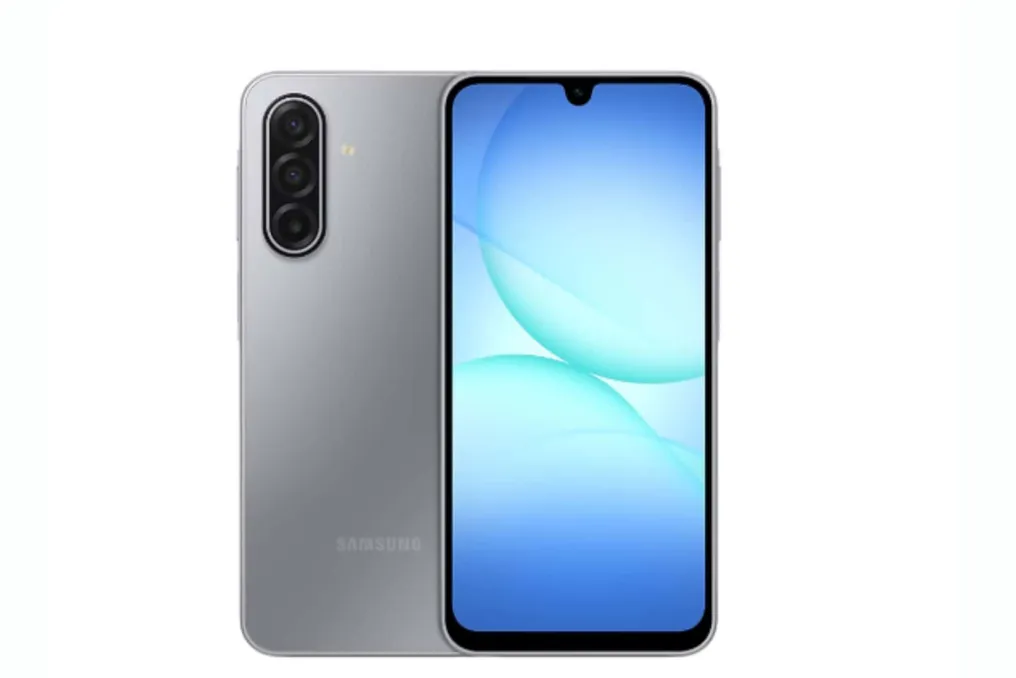
Maintaining competitiveness in the entry-level and mid-range smartphone segment is a challenge, and Samsung proposes the Galaxy A17 5G. This model is designed for users looking for a versatile device for daily use, offering a good visual experience, adequate storage capacity, functional cameras, and a reliable update plan.

In the configuration evaluated, with 8 GB of RAM and 256 GB of internal storage, the device presents a robust set for activities such as internet browsing, social media use, messaging, video consumption, photography, and daily professional tasks.

One of the strong points of the Galaxy A17 5G is its 6.7-inch Super AMOLED panel, which features Full HD+ resolution (2340 x 1080 pixels) and a 90 Hz refresh rate. This combination results in vibrant colors, good contrast, and visually pleasing navigation. AMOLED technology improves media display, surpassing many LCD screens found in entry-level devices.

Furthermore, the design is notably slim, with only 7.5 millimeters in thickness and weighing 192 grams. Even with the large screen, the device maintains a build that facilitates portability.

The rear camera system includes three lenses: a 50-megapixel main lens, a 5-megapixel ultrawide, and a 2-megapixel macro. A relevant differentiator in this price range is the presence of Optical Image Stabilization (OIS) on the main camera, which helps obtain sharper photos, even in low light, minimizing tremors.

The 13-megapixel front camera is sufficient for video conferencing and selfies. However, there are limitations: the 2 MP macro camera has restricted use, and the 5 MP ultrawide does not achieve the same definition as the main one. Video recording is limited to Full HD at 30 frames per second, which can be considered less flexible compared to competitors.

The octa-core processor, operating up to 2.4 GHz, combined with 8 GB of RAM, handles daily demands well, such as streaming, social media, and banking apps. The 256 GB of internal storage offers plenty of space for files, and the device allows expansion via a microSD card up to 2 TB. However, the SIM slot is hybrid, forcing the user to choose between a second SIM card or the memory card.

In terms of performance, the Galaxy A17 5G may exhibit slowness when opening certain applications or in tasks requiring high processing power or intensive multitasking. Therefore, it is not primarily recommended for heavy gaming or video editing, focusing on conventional use.

The 5,000 mAh battery ensures autonomy compatible with the device's purpose, with Samsung indicating up to 18 hours of video playback, although real-world usage varies depending on brightness, connectivity, and intensity of use.

The 25W charging is functional but could be faster, given that the corresponding charger is sold separately. In connectivity, the device is complete, supporting 5G, dual-band Wi-Fi, Bluetooth 5.3, GPS, USB-C, in addition to NFC for contactless payments.

A notable disadvantage is the use of mono audio instead of stereo, which reduces immersion in media. Additionally, there is no 3.5 mm jack for conventional headphones.

A major differentiator of the Galaxy A17 5G is Samsung's commitment to software support, promising up to six Android OS updates and six years of security updates. The device also features Corning Gorilla Glass Victus protection on the front and an IP54 rating, providing resistance against water splashes and dust, although it does not guarantee submersion.

In summary, the Samsung Galaxy A17 5G is an attractive choice for those who prioritize a good screen, ample storage, modern connectivity, and reliability in daily use, with the Super AMOLED screen, 8 GB of RAM, 256 GB of storage, OIS, and six years of updates being its biggest strengths. On the other hand, the processor does not offer a significant leap, secondary cameras are limited, video recording could be richer, and the absence of stereo sound is a concession to note.

Moto G86 Analysis: Review of the Motorola Mid-Range and its Cost-Benefit Ratio
Read more
tecnoblog.net

Moto G86 Analysis: Review of the Motorola Mid-Range and its Cost-Benefit Ratio

The Moto G86 is one of the most popular mid-range smartphones offered by Motorola in the Brazilian market. This device was seen on promotions around R$ 1,500 at TB's Achados and stands out for having a 120Hz POLED screen, which provides vibrant colors and high brightness, as well as a battery designed to last more than a day without needing a recharge.

However, the device has limitations in terms of gaming performance, and Motorola's update policy for this model was considered disappointing. Therefore, Tecnoblog conducted tests on the model over the last month to determine if purchasing the Moto G86 is still justified in the current scenario.

Upon unboxing the Moto G86, the user finds the device, a 33W TurboPower charger, a USB-A to USB-C cable, the SIM tray ejector pin, the manual, and the warranty term. It is important to note that Motorola does not include a protective case in the box.

Regarding the design, the G86 shares similarities with the Edge 70, another phone analyzed by the publication. However, there are noticeable differences in handling: the G86 is thicker, weighs 185 grams, and has a simpler plastic construction. In the tested 256GB version, graphite and red colors were available. The analysis author did not highly appreciate the faux leather back finish, as small scratches become easily visible.

Like other models, the camera module is raised, causing the lens area to come into direct contact with the surface when the phone is placed face down. After a few days of use, small marks were observed on one of the lenses, reinforcing the absence of a case in the packaging. The device features volume and unlock buttons on one side, while the other side houses the SIM and microSD card slot, allowing for file storage of videos and series, freeing up internal space.

The G86 maintains the IP68 and IP69 ratings of the Edge 70, guaranteeing resistance to immersion in fresh water up to one and a half meters for 30 minutes, in addition to protection against pressurized water jets. During the testing period, the device was used with keys in the pocket without showing structural or screen damage, although the only issue noted was a scratch on the edge of the rear lens due to prolonged contact with surfaces.

The screen is a significant strong point of the G86. Its colors are vivid, the contrast is well-defined, and the brightness supported outdoor use. The definition quality of this display in a phone with a more accessible price than the Edge 70 was a big surprise, and in practice, the author perceived no difference between the two models. Thanks to the maximum brightness of 4,500 nits, it was possible to read content and use social media under the sun without difficulty.

The panel is a 6.7-inch POLED with 1.5K resolution, supporting HDR10 and HDR10+. The resolution helps maintain sharp text and subtitles at this screen size, while the 120Hz refresh rate makes system animations smoother, depending on settings. The screen features Gorilla Glass 7i protection, and the fingerprint reader is located under the screen, functioning even with wet fingers after physical exercise.

The audio of the G86 is provided by two speakers (one top and one bottom), offering stereo sound and Dolby Atmos. Although the audio separation is better in horizontal orientation, Motorola disappointed in terms of volume; even at maximum, the sound was considered low, with little bass and shrill highs. For calls and daily use, it is adequate, but for watching movies, the audio is deficient, recommending the use of Bluetooth headphones or external speakers.

The device has two rear cameras, in addition to the front camera. In well-lit environments, the main lens produced satisfactory photos, despite the perceptible intervention of post-processing. The main camera uses the 50-megapixel Sony LYTIA 600 sensor and features optical stabilization (OIS), aiding in low-light capture. The images show a good balance between light and dark areas, although the tones may be slightly more intense than expected, without excessive artificial contouring.

However, all this quality drastically decreases in Night Mode, where scenes appear washed out and artificially toned, presenting blown-out lights and white spots in brighter areas. The second camera, with 8 MP, serves for ultra-wide and macro modes, useful for including more people in the photo, but loses detail compared to the main one. During the day, this ultra-wide performed well, capturing details of the sky under strong sun and keeping urban shadows visible, although it shows slight distortion and loss of sharpness at the edges.

At night, the secondary camera reveals its limitations, but pleased by maintaining the dark sky without gray tones. However, heavy noise reduction processing blurred many textures, resulting in blurry leaves and facades when zoomed in. The 32MP front camera delivered reasonable results during the day, maintaining natural facial sharpness. In difficult lighting situations, such as selfies against the sun, the difficulty in avoiding blown-out images and night noise became evident. In portrait mode, the G86 surprised with the trimming around facial hair, although the blur was irregular in some body parts, being smooth in the background.

Since the Moto G86 does not have a telephoto lens, zooming is done digitally, which accentuates the loss of sharpness in fine details, such as license plate letters or distant textures.

For video recording, the model achieves 4K at 30 frames per second on both the rear and front; to increase the frame rate, the quality must be reduced to Full HD. Stabilization compensated for recording movements, generating a satisfactory result. Front stabilization is electronic but helps smooth tremors when recording by hand.

In terms of performance, the set is suitable for those who use social networks, listen to music, watch videos, and play games occasionally. Video editing tasks in CapCut are viable, but the author felt that the G86 heated up considerably, even when running multiple applications simultaneously. The device is equipped with a MediaTek Dimensity 7300 processor, 8 GB of RAM, and 256 GB of storage.

In more demanding games, such as Fortnite, the difference compared to the Edge 70 was noticeable, requiring graphics to be adjusted to minimum to achieve an acceptable frame rate. Furthermore, the camera application experienced occasional freezes when switching lenses or accessing advanced features.

Tests conducted on Geekbench 7 showed that the G86 achieved 800 points in Single-Core and 2,932 in Multi-Core, a performance lower than current competitors in the same price range. The device offers expected Android functionalities, such as Google Wallet, Android Auto, and Gemini, and facial recognition worked well. However, the amount of pre-installed factory applications was a negative point for the author.

Motorola presents selection of 5G smartphones with notable features on sale on Amazon
Read more
olhardigital.com.br

Motorola presents selection of 5G smartphones with notable features on sale on Amazon

Motorola remains a highly sought-after brand in the smartphone market due to its excellent cost-benefit ratio. For those planning to upgrade their device or looking for a gift, three options from the Moto G line have been selected and are available on sale on Amazon. All these models offer 5G connectivity and 50MP cameras.

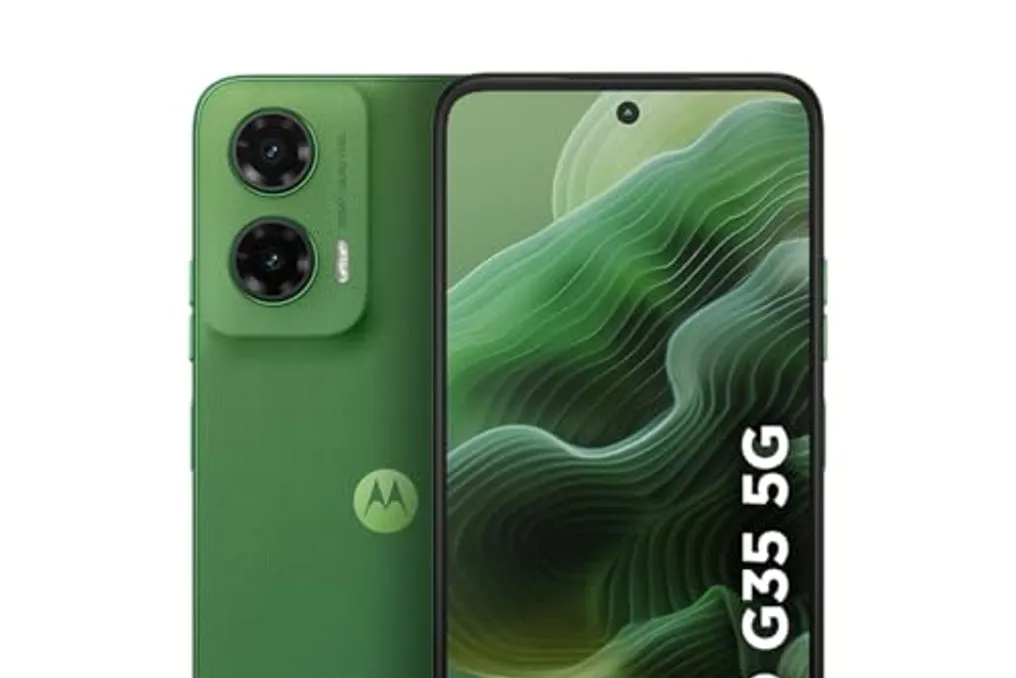
The Motorola Moto g35 5G model combines interesting features for mid-range device users. It has a 6.7-inch screen with Superbright technology, ensuring good visibility even under strong sunlight. Its 50MP camera incorporates artificial intelligence features to optimize photos. Furthermore, NFC support simplifies contactless payments, and the RAM Boost feature allows for expanding virtual memory, keeping more applications open without interruption.

The Moto g56 5G stands out as a more robust option within Motorola's mid-range line. A strong point of this device is the Sony Lytia 600 camera sensor, also 50MP, known for image quality in various lighting conditions. This device also features military resistance certifications and IP68 + IP69 protection, indicating its ability to withstand water immersion and high-pressure jets. With 256GB of storage and up to 16GB of virtual RAM via Boost, it demonstrates good performance in multitasking and intensive use.

For consumers who prioritize long battery life and a large format screen in daily use, the Moto G06 emerges as a solid alternative in the entry-level range. This model offers a 5200 mAh battery, ensuring extended use without frequent recharging, and features a 6.9-inch screen, one of the largest in its category. The 50MP AI camera assists in obtaining good photos even in simple situations, and RAM Boost contributes to smoother navigation.

It is important to note that stock levels may change at any time, and promotional conditions on Amazon tend to change frequently. If any of these models catch your interest, it is recommended to visit the product page immediately to take advantage of the offer before it ends.

Popular