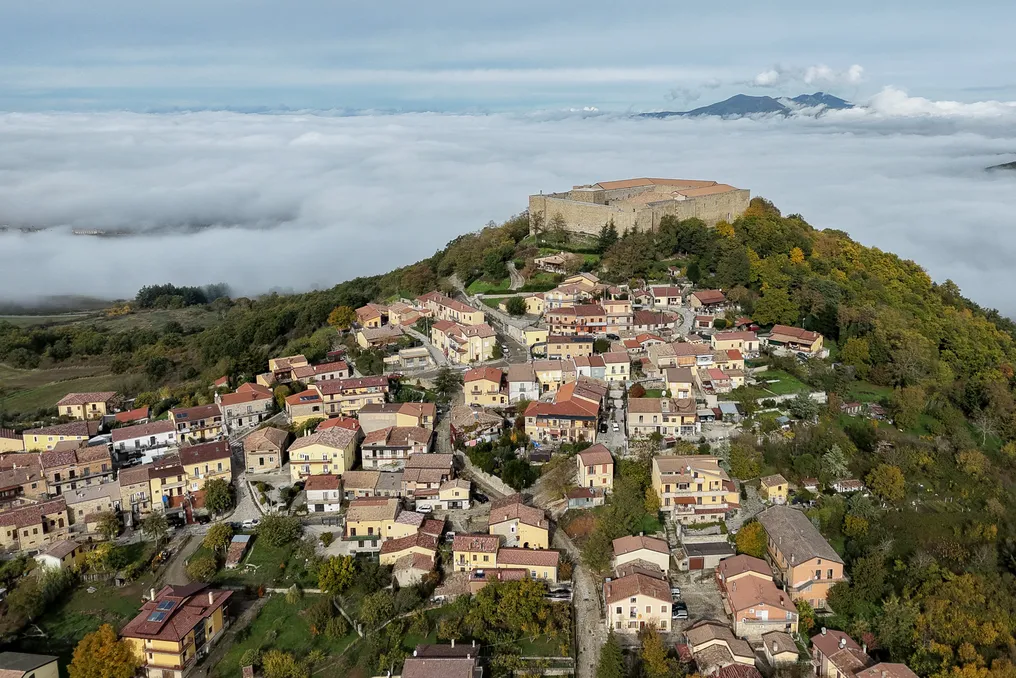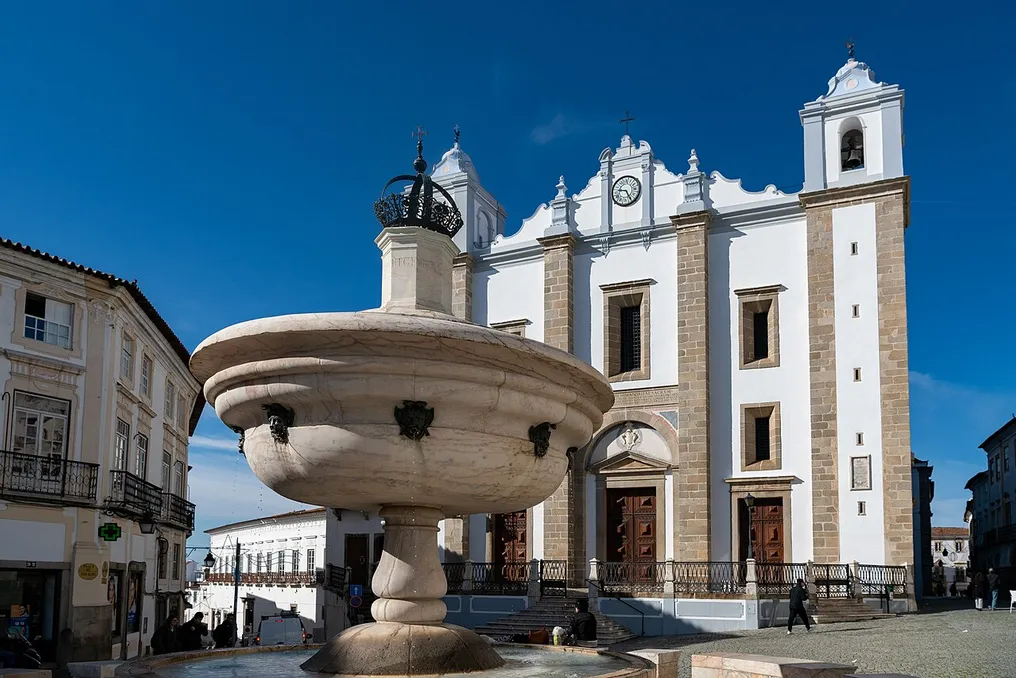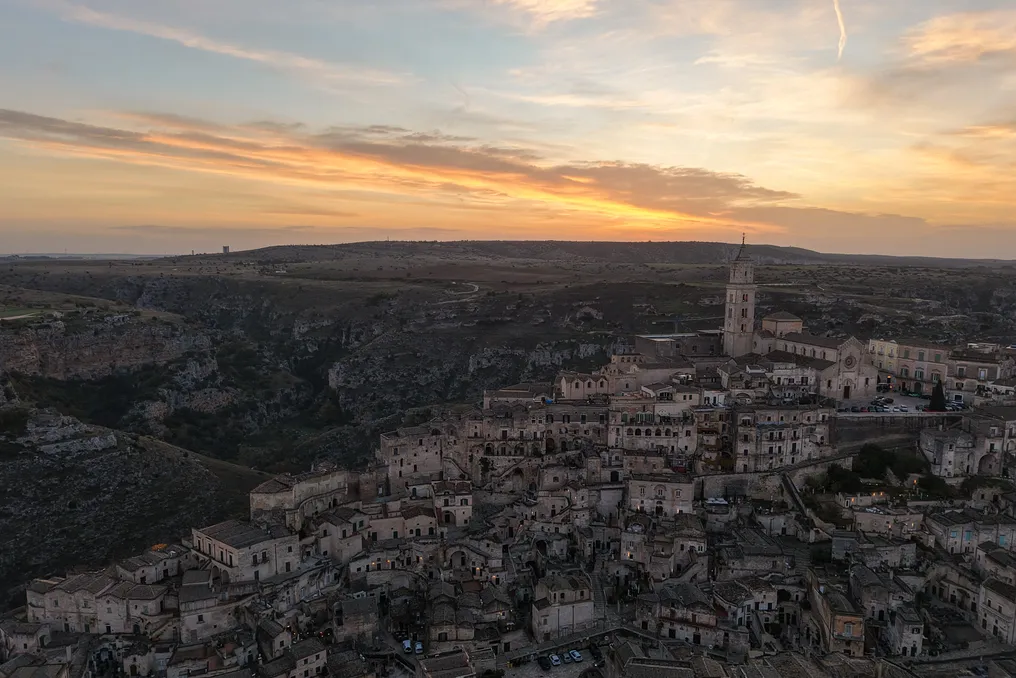
The city of Matera, located in the Basilicata region in southern Italy, hosted the fourth edition of Roots-IN (International Origins Tourism Exchange — International Origins Tourism Exchange) on November 11 and 12. This event functions as a business platform that brings together tour operators from various parts of Italy, focusing specifically on the genealogical tourism sector.
The event's program was not limited to negotiations between international buyers and national suppliers; it also included lectures and meetings aimed at boosting this market niche within Basilicata itself, which was the host of the event.
The international exchange gathered 55 buyers from six nations and 126 sellers from various Italian regions, aiming to establish new partnerships and commercial opportunities. Participating markets included Brazil, Argentina, the United States, Canada, Mexico, and Australia. The Brazilian delegation, invited by ENIT, the Italian National Tourism Agency, consisted of 12 members, including ten specialists from travel agencies and operators and two journalists.
During the opening ceremony, Vito Bardi, president of the Basilicata region, stated that the objective is to convert genealogical tourism into a way to strengthen economic ties with descendants of Italians. The idea put forward is that family ties to the region can evolve beyond simple trips, transforming into commercial relationships, investments, or even the return of individuals who wish to reside in the land of their ancestors.
Data presented by Bardi demonstrates the growth of international tourist flow in Basilicata. There was an 114.2% increase in foreign visitor arrivals between 2022 and 2025, while the number of overnight stays grew by 89.3%. Furthermore, in 2025, the region surpassed the one million visitor mark for the first time.
The president mentioned that last year, tourists from the United States established themselves as the main international market, followed by Argentina, which multiplied its presence by five, jumping from 4,450 visitors in 2022 to 19,000 in 2025. He clarified that these figures cover general international tourism, not just genealogical tourism, but they serve to illustrate the context in which the region seeks to strengthen origin tourism.
Antonio Nicoletti, mayor of Matera, associated this initiative with the city's historical migratory trajectory. He stated that 'Matera was a land of departures, and therefore, roots are part of our identity.' For him, although tourism can generate opportunities, it is essential that there are conditions that encourage young people to remain in the region and motivate descendants to consider returning.
Genealogical tourism, also called 'tourism delle radici' in Italian, aims to bring descendants of Italians closer to the places where their ancestors lived. This experience includes genealogical and historical research, visits to former family homes, and contact with local traditions and communities.
Margherita Sarli, director-general of the Basilicata Territorial Promotion Agency (APT), emphasized that origin tourism is a complex segment that requires the collaboration of various sectors. She explained that 'APTs alone are not enough. We need a broader network that also involves parishes, municipal administrations, and the citizens themselves.'
According to Sarli, this audience is not just looking for a standard tourist service, but rather a personal connection to the territory. She summarized by saying, 'More than offering a tourist itinerary, it is necessary to involve local communities and allow descendants to know the history and identity of the places where their families came from. It is a tourism that does not simply look for a product. It looks for a feeling and a person.'