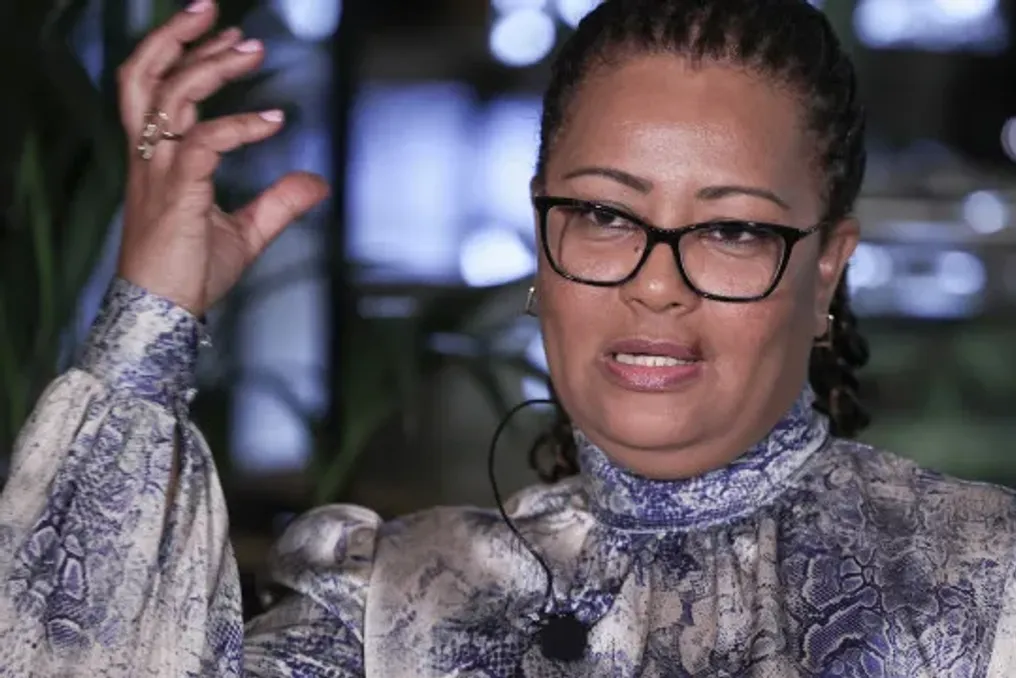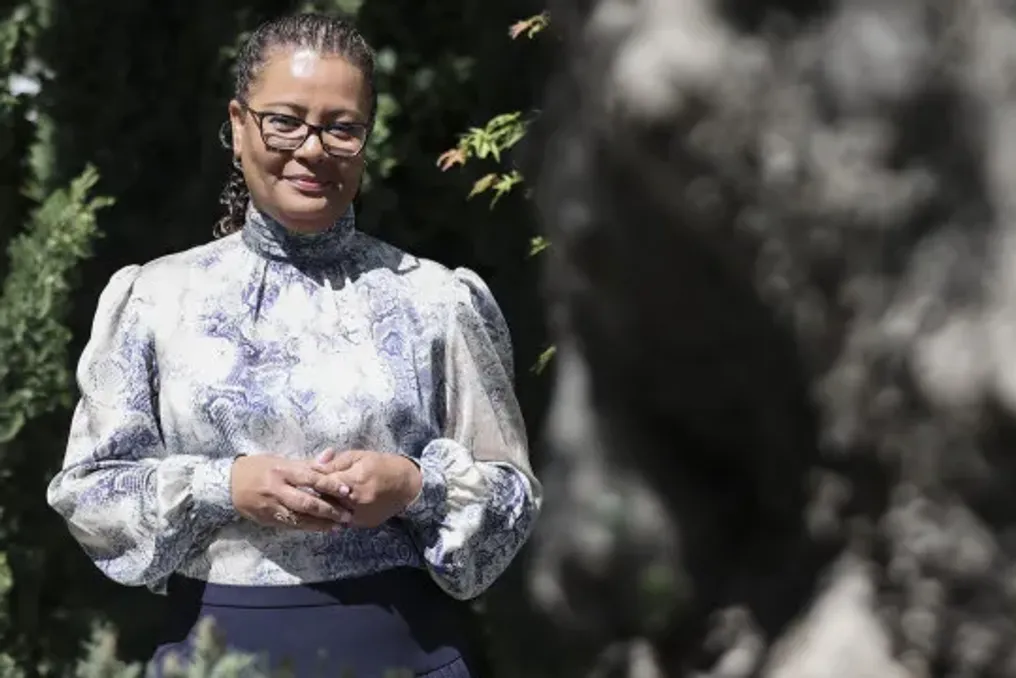
The Minister of Environment of Angola stated that the most vulnerable countries should not be forced to choose between economic development and protecting their populations from the consequences of the climate crisis.
Ana Paula de Carvalho Pereira made this statement during the high-level meeting of the 31st United Nations Climate Change Conference (COP31), which was taking place in Antalya, Turkey. She emphasized that countries that contributed least to global emissions suffer the most from the effects of climate change.
Angola supported the positions of the African Group and the Least Developed Countries, insisting that the response to the climate crisis must respect the principle of common but differentiated responsibilities, as well as each country's right to sustainable development.
The Minister noted that the climate issue is closely linked to human security, including food, water, sanitation, and economic security. She stressed that it is about people and families facing drought in the southern part of the country, and communities whose livelihoods are threatened by extreme weather events.
Ana Paula de Carvalho Pereira assured that the country is gradually fulfilling its climate commitments, including the Nationally Determined Contribution (NDC3) goals, strengthening the monitoring, reporting, and verification system, and implementing the National Climate Change Adaptation Plan.
Regarding mitigation and energy transition, the minister reported that over 10 years, Angola increased its capacity from 2.5 gigawatts to 6.3 gigawatts, while also improving waste management and reducing methane emissions. In terms of adaptation, a plan was presented to combat the effects of drought in the southern part of the country, which includes the construction of dams and canals over 200 kilometers long.
Angola advocates for predictable, adequate, and accessible climate finance, with a special focus on adaptation needs, as well as loss and damage. In conclusion, Ana Paula de Carvalho Pereira called for international support, emphasizing that solidarity must be demonstrated through financial, technological, and human resources.
The 31st UN Climate Change Conference (COP31), which continues until Friday, focuses on fulfilling climate commitments. Among the conference priorities are increasing the share of electricity in global final energy consumption to 35%, tripling adaptation financing to $120 billion annually by 2035, and accelerating the transition away from fossil fuels.