Residents of the colorful Bo-Kaap neighborhood in Cape Town are calling for stricter regulations on tourism. They argue that the growing number of visitors, traffic congestion, and lack of respect for local residents are disrupting daily life in this historic area.
On Wednesday, November 11, the community took to the streets to protest what they consider irresponsible and poorly managed tourism. As part of a campaign for more responsible and sustainable tourism, residents insist that the City of Cape Town implement measures to protect their homes, heritage, and way of life.
According to IOL, Ebrahim Christian, deputy chairman of the Bo-Kaap Citizens and Ratepayers Association, noted that the narrow streets and limited parking in the area were not originally designed to handle the current volume of tourist traffic. Residents face daily problems due to congestion, difficulties accessing their own streets, and finding parking spaces near home.
Christian emphasized that the community is not against tourism but urges visitors and commercial operators to be more considerate of the people who live there. He stated: 'Bo-Kaap is a living residential community, not an open tourist attraction where residents should simply accept any inconvenience associated with tourism.'
Despite Bo-Kaap becoming a popular spot for tourists exploring Cape Town, residents question how much of the financial benefit from tourism actually reaches the entire local community. While local businesses selling traditional food and other goods benefit from visitors, the association expresses concern about commercial operators profiting from the area while residents face disturbances.
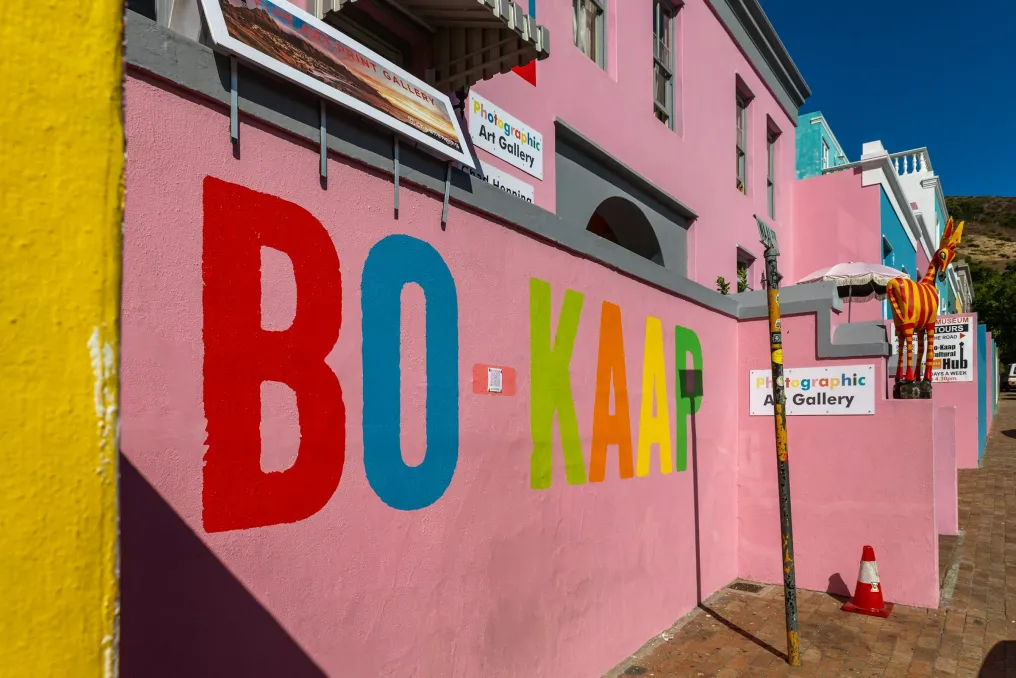
Particular concern is raised by the activities of art galleries located in residential areas, which, according to the association, contribute to pedestrian congestion. Residents demand improved regulation of tourism activities, optimized traffic flow to solve congestion and illegal parking issues, and the adoption of stricter measures to protect their privacy and safety.
Furthermore, they insist that tour operators use qualified local guides who can give visitors a more authentic insight into the history, culture, and heritage of Bo-Kaap. The association believes that tourism should create meaningful economic opportunities for residents and local traders, rather than allowing external operators to profit at the expense of the community.
Initiatives such as the Bo-Kaap Community Market have already created opportunities for local residents and traders to share their products and celebrate the area's cultural heritage. Known for its brightly colored houses, cobbled streets, and rich Cape Malay heritage, Bo-Kaap is one of Cape Town's most recognizable neighborhoods. However, behind its popularity as a photo location lies a living community of generations of families who continue to reside here.
Residents want visitors to understand that photographing the streets and exploring the heritage must be accompanied by respect for the people who live there. The association's message is that tourism should support the area without jeopardizing the community, its cultural identity, or the residents' right to enjoy their own homes and streets. For visitors, this means being mindful of parking, respecting residents' privacy, supporting local businesses, and understanding that Bo-Kaap is a living neighborhood, not an open-air museum.