Iran and Armenia Discuss Developing Cooperation in Energy and Infrastructure
Read more
Tehran Times
www.tehrantimes.com

Iran and Armenia Discuss Developing Cooperation in Energy and Infrastructure

The Vice President of Iran and the Minister of Territorial Administration and Infrastructure of the Republic of Armenia called for strengthening bilateral interaction, emphasizing the increase in electricity exchange and energy exports between Tehran and Yerevan.

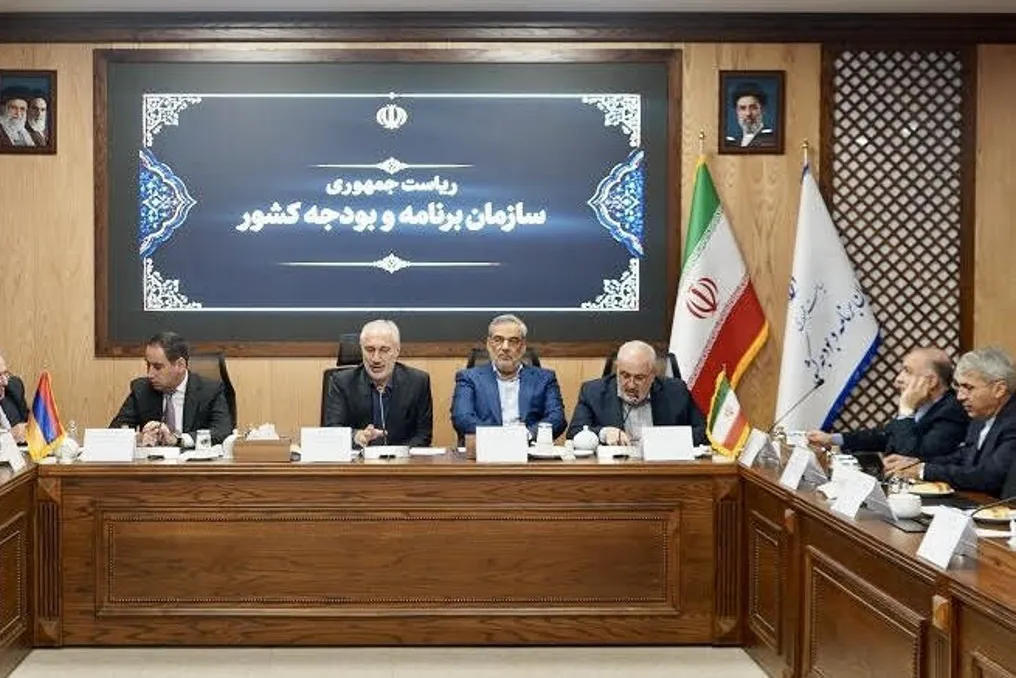
According to IRNA, during the meeting between David Khudatyan, Minister of Territorial Administration and Infrastructure of the Republic of Armenia, and Seyed Hamid Pourmohammadi, Vice President and Head of the Iranian Organization of Planning and Budget, ways to develop partnership between the Islamic Republic of Iran and the Republic of Armenia were studied, with a special focus on energy and infrastructure.

At this meeting, held on November 17, with the participation of the Iranian Minister of Energy and the Acting Oil Minister, Seyed Hamid Pourmohammadi stated that developing cooperation with the Republic of Armenia is one of the priorities of the government of the Islamic Republic of Iran. He stressed that 'we and Armenia are two friendly and brotherly states, and we have proven this in practice.'

The Head of the Organization of Planning and Budget mentioned the successful holding of the 19th meeting of the Iran-Armenia Joint Economic Committee in Armenia last week. He noted that both countries reached positive agreements in areas of mutual interest. Furthermore, comprehensive documentation was signed with the Armenian side, the key focus of which was infrastructural cooperation in the fields of transport, roads, and energy.

Pourmohammadi reported that shortly after signing this document, the Minister of Territorial Administration and Infrastructure of the Republic of Armenia visited Tehran. At the current meeting, in the presence of the Minister of Energy and the Acting Oil Minister, grounds for expanding energy cooperation were discussed.

The Head of the Organization of Planning and Budget also touched upon the meeting held the day before at this organization, where decisions were considered on increasing efficiency and increasing capacity at the Nurudz border terminal. He expressed the serious determination of the Islamic Republic of Iran to turn the Nurudz terminal into a model and most important land trade border point of Iran within the next year.

The Vice President, speaking about facilitating cargo movement between Iran and Armenia, noted that the Ministry of Transport and Urban Development, Customs of the Islamic Republic of Iran, Border Guard, and East Azerbaijan Governorate were activated to facilitate passage at the border. During this period, 297 trucks crossed the border, and there is hope for an increase in this number. Pourmohammadi announced further simplification of border traffic, adding that by removing obstacles and coordinating responsible bodies, conditions for truck movement between the two countries will become easier over the next two months.

In the context of improving border operations, it was noted that a refueling station for Iranian trucks was moved twenty kilometers further from the border to avoid queue formation. A suitable station for Armenian trucks will be provided within the next six months. Pourmohammadi also mentioned negotiations with the director of the Julfa Free Zone to create an adjacent area for serving traders.

The current volume of crossings at the Nurudz border is 300 trucks per day, but Iran aims to increase this figure to 500. The Head of the Organization of Planning and Budget assured that he would personally monitor the resolution of any problems that may arise in this area if reported by the Iranian ambassador in Armenia, given traders' complaints about long queues, business card issues, currency obligations, and customs complexities.

Regarding the increase in energy exchange, the Head of the Organization of Planning and Budget stated that besides trade turnover, the development of cooperation in the energy sector is also on the agenda. Energy export and import between Iran and Armenia are growing, and due to the existence of a power line, there is potential for developing this cooperation. Pourmohammadi added that in the long term, the issue of oil transfer to the border and the construction of a joint refinery between the two countries was discussed. Also, considering the approaching winter and the climate conditions of both countries, energy exchange is being developed in the short term to meet mutual needs.

David Khudatyan, Minister of Territorial Administration and Infrastructure of the Republic of Armenia, noted that this was his second working trip to the Islamic Republic of Iran and his fourth meeting with the Vice President and Head of the Organization of Planning and Budget, demonstrating the firm commitment of the Republic of Armenia to the development and prosperity of relations between the two states.

Opinions were also expressed at this meeting by Abbas Aliyabadi, Minister of Energy, and Hamid Bovard, Acting Oil Minister, regarding the development of cooperation in energy exchange.

The 19th meeting of the Iran-Armenia Joint Economic Committee concluded with the signing of a cooperation document, where Tehran and Yerevan emphasized the need to develop economic ties and trade exchange. According to IRNA, this meeting took place in Yerevan, and the document was signed on November 10 by Seyed Hamid Pourmohammadi and Mikher Grigoryan, Deputy Prime Minister of the Republic of Armenia.

The main areas of the 19th meeting document concern the development of cooperation in the fields of transport, energy, infrastructure, and cultural interaction. During the signing ceremony, Pourmohammadi thanked the Armenian government for the organization and all members of the specialized committees for their efforts, stating that both countries are committed to expanding relations. He also noted that cultural and social ties serve as a foundation for strengthening economic relations between Iran and Armenia.

During his visit to Armenia, Pourmohammadi met with businessmen in Yerevan, where he stated that relations between Iran and Armenia are in a very favorable state, and both governments are focused on developing these ties. To facilitate trade, it was decided that, in addition to the existing bridge across the Arax River, the Islamic Republic of Iran will build another bridge; its study has already been completed, and construction work will begin next month.

Pourmohammadi also reported that to optimize the route between the countries, in addition to the Tabriz–Nurudz route, the Julfa–Nurudz route is also on the agenda and will be ready by the end of the year. The terminal of both countries will also be expanded, and several hectares will be added to its area by next year to improve terminal services.

The meeting with Mikher Grigoryan, Deputy Prime Minister of Armenia, also allowed for discussions on the development of bilateral relations. The parties exchanged views on a number of regional communication issues and noted that strengthening stability, developing economic ties, and eliminating communication barriers will open up new opportunities for the countries of the region. Mgher Grigoryan emphasized the political trust between Armenia and Iran, the economic agenda based on mutual interests, and the common interest in expanding cooperation as a solid foundation for elevating bilateral relations to a new strategic level.
Similar stories

Iran and Armenia plan to expand cultural cooperation following delegation meetings
Read more
www.tehrantimes.com

Iran and Armenia plan to expand cultural cooperation following delegation meetings

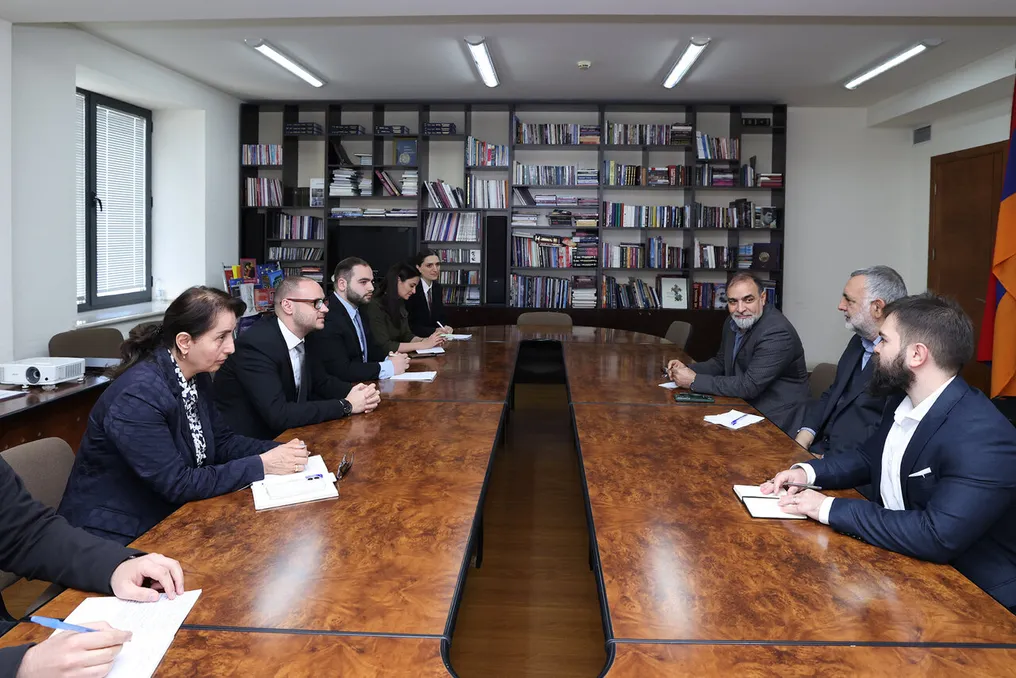
A specialized meeting was held in Yerevan where a high-level delegation from the Islamic Republic of Iran, led by Vice President Seyed Hamid Pourmohammadi, held talks with Armenian officials. Among those present was Alfred Kocharyan, Deputy Minister of Education, Science, Culture and Sport of Armenia. The parties discussed strategies for developing cultural ties between the two states.

At the beginning of the meeting, Kocharyan highly praised the centuries-old cultural ties between Armenia and Iran, emphasizing the importance of opportunities for their deepening in various fields. He noted the existing successful cooperation and stressed the need to implement joint programs in the field of intangible cultural heritage and contemporary art.

Mohsen Javadi, Deputy for Cultural Affairs at the Ministry of Culture and Islamic Guidance, also spoke at the meeting. He stated that the Iranian delegation is engaged in cultural matters to seek new opportunities and strengthen existing partnerships. Javadi noted that the main goal of these negotiations is not to create ties from scratch, but to develop, expand, and organize the cooperation that has already formed through the initiative of artists, cultural activists, and the people of both countries.

Javadi emphasized the rich historical and civilizational heritage of Iran and Armenia. He pointed out that the presence of enthusiasts of the Persian language, Iranianology researchers, and scholars familiar with Iranian culture in Armenia creates a favorable environment for the development of cultural interaction. He also insisted on moving from general discussions to concrete programs, suggesting that the topics discussed at this meeting be formalized through official correspondence, definition of priorities, and the development of executive agreements in subsequent stages.

Javadi invited Armenian cultural officials to visit Iran and proposed holding Armenian Cultural Weeks in Tehran, as well as in cultural centers such as Isfahan and Shiraz, alongside reciprocal Iranian Cultural Weeks in Yerevan. According to him, such events could include a wide range of cultural and artistic activities: book fairs, literary programs, film screenings, musical performances, exposure to fine arts, and specialized seminars.

Stressing the importance of broad public participation, Javadi noted that cultural weeks allow cultural ties to go beyond elites and professionals, enabling ordinary citizens, especially youth and families, to learn about the cultural achievements of another country. During the discussion among high-ranking officials, a proposal was put forward to select and translate a collection of outstanding works by Iranian and Armenian authors.

According to this proposal, works by prominent contemporary Armenian authors in the genres of fiction, poetry, art, science, and technology will be selected for translation into Persian, while a collection of works by Iranian writers and researchers will be presented for translation and publication in Armenian. The Deputy for Cultural Affairs noted that although a significant portion of the audience in Iran and Armenia is familiar with the names of classical writers from both countries, the works of young authors and new literary trends are less widely represented in the partner's language. He stated that expanding the translation of contemporary works could bridge this gap and provide a platform for the new generation to become acquainted with the thoughts, concerns, and socio-cultural development of both societies.

In this context, the need to develop cooperation between publishers, translators, universities, and research centers of the two countries was also highlighted. Another part of the negotiations was the expansion of mutual presence of Iranian and Armenian publishing houses at book fairs and festivals. Javadi suggested that the presence of Armenian publishers and writers at the Tehran International Book Fair should be strengthened, given its enormous potential for showcasing foreign authors. Subsequently, the Armenian side proposed studying the possibility of mutual visits to each other's international book fairs as 'Special Guests'. Based on this proposal, Iran and Armenia could achieve broader representation at each other's book fairs during certain periods by utilizing special exhibition spaces and organizing diverse cultural and literary programs.

During the meeting, the presentation of the prose translation of Ferdowsi's 'Shahnameh' into Armenian was noted as a prime example of cultural cooperation. This valuable work was translated by George Asaturyan, and scientific editing and writing the preface was done by Professor Harnik Astaryan, a renowned Armenian Iranianist. This translation is the result of many years of scientific and research activity and presents the narrative parts of the Shahnameh in the format of literary prose for Armenian readers. At the opening ceremony, the efforts of the translator and editor, as well as the contribution of Loris Tjeknavorian, a renowned Iranian-Armenian composer, were acknowledged.

For his part, Pourmohammadi, referring to the place of the 'Shahnameh' in Iran's cultural heritage and its influence on art and literature, proposed creating a 'Shahnameh House' in Armenia involving researchers and artists from both countries. Addressing the international recognition of Iranian cinema, Armenian officials noted the constant presence of Iranian filmmakers' works at the 'Golden Apricot' International Film Festival in Yerevan, calling the festival an effective platform for connecting cinematographers from the two countries. The meeting also touched upon the growing potential of the Armenian film industry and the need to utilize the professional experience of Iranian cinematography. In this regard, the expansion of teaching Armenian language, Armenian studies, and research related to Armenian history and culture in Iranian universities and academic centers became a subject of interest.

The Armenian side, mentioning joint cooperation in presenting cultural traditions and rituals, cited the joint file 'Tradition of Water and Rain Celebration: Tirgan/Vardavar', which was submitted by Iran and Armenia to UNESCO for consideration in 2026 and is on the list of files under review for inclusion in the Intangible Cultural Heritage of Humanity List.

Furthermore, at the meeting, Mohammad Asadi-Movahed, Cultural Attaché of the Islamic Republic of Iran in Armenia, shared his experience in organizing joint programs during his tenure, stating: 'The mission of the Iranian Cultural Center is not only to present Iran's cultural and artistic potential in Armenia; rather, the institution strives to promote the representation of Armenian culture, art, elites, and achievements to the Iranian community.' He described the Cultural Center as a common platform for developing cultural relations between the two nations and emphasized the need to maintain and strengthen both institutional and grassroots cooperation. The Iranian Cultural Attaché also mentioned the naming of the assembly hall in the historic Blue Mosque of Yerevan in honor of Egish Charents, a distinguished Armenian poet and connoisseur of Iranian culture and literature. This act, which took place during the Iranian delegation's visit and in the presence of the Iranian Vice President, aimed to immortalize Charents' literary status and his historical role in the cultural ties between the two countries. During the ceremony, Charents' passion for Iranian literature, especially Ferdowsi's 'Shahnameh', and his historical role in the protection of the Blue Mosque of Yerevan were noted.

International Atomic Energy Agency demands Iran authorities enhance cooperation
Read more
noticiasaominuto.com

International Atomic Energy Agency demands Iran authorities enhance cooperation

Inspectors from the International Atomic Energy Agency (IAEA) have called on Iranian authorities for more active cooperation because they continue to be unaware of the location of over 400 kilograms of highly enriched uranium in Iran.

The IAEA stated in a technical report on Iran, published in Vienna, that the lack of information and refusal to grant access to facilities for inspection of these materials, which have potential for military use, constitutes a 'matter of serious concern' and requires resolution with 'maximum urgency.'

The UN nuclear program agency emphasized that the military attacks by Israel and the United States on nuclear facilities in Iran in June 2015 and this year have created an 'unprecedented situation.'

It is extremely important for the IAEA that its inspections in Iran resume as soon as possible. On October 27, IAEA Director General Rafael Grossi strongly urged Iran to cooperate with the organization 'without further delay' to 'clarify outstanding issues' regarding Tehran's fulfillment of its nuclear obligations.

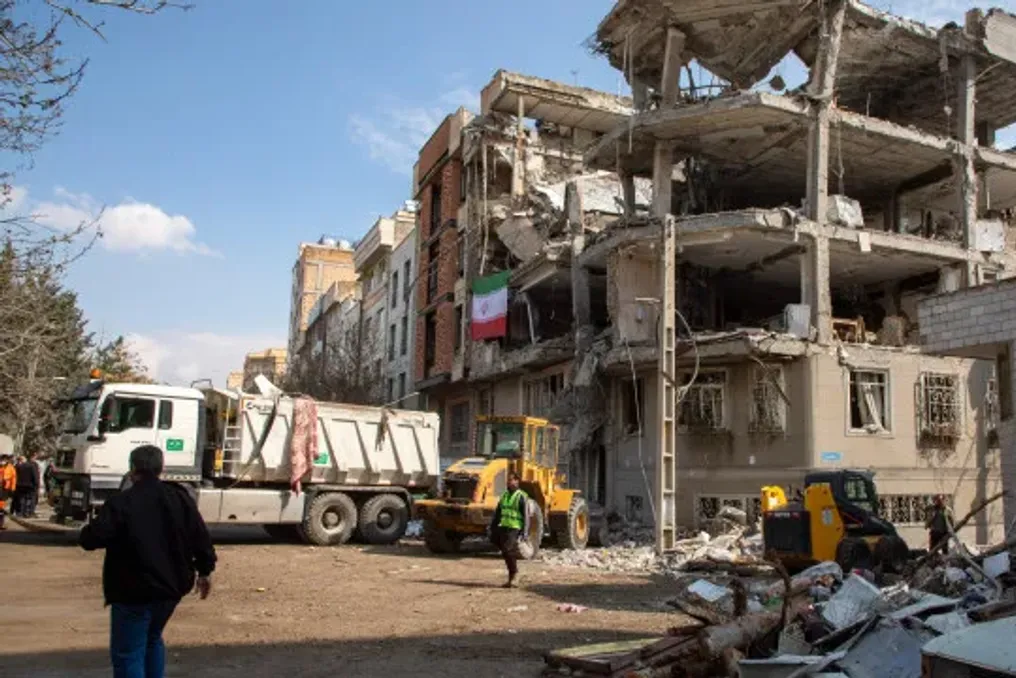
The IAEA has had no access to key nuclear facilities in the country since the attacks conducted by Israel and the United States in June 2025. These facilities were also damaged during the war that began on February 28, after which the agency repeatedly requested access.

Prior to the June 2025 attacks, the IAEA estimated that Iran possessed about 440 kilograms of enriched uranium with a concentration of 60%.

Uzbekistan and Kazakhstan Discuss Cooperation in the Oil and Gas Sector
Read more
uzdaily.uz

Uzbekistan and Kazakhstan Discuss Cooperation in the Oil and Gas Sector

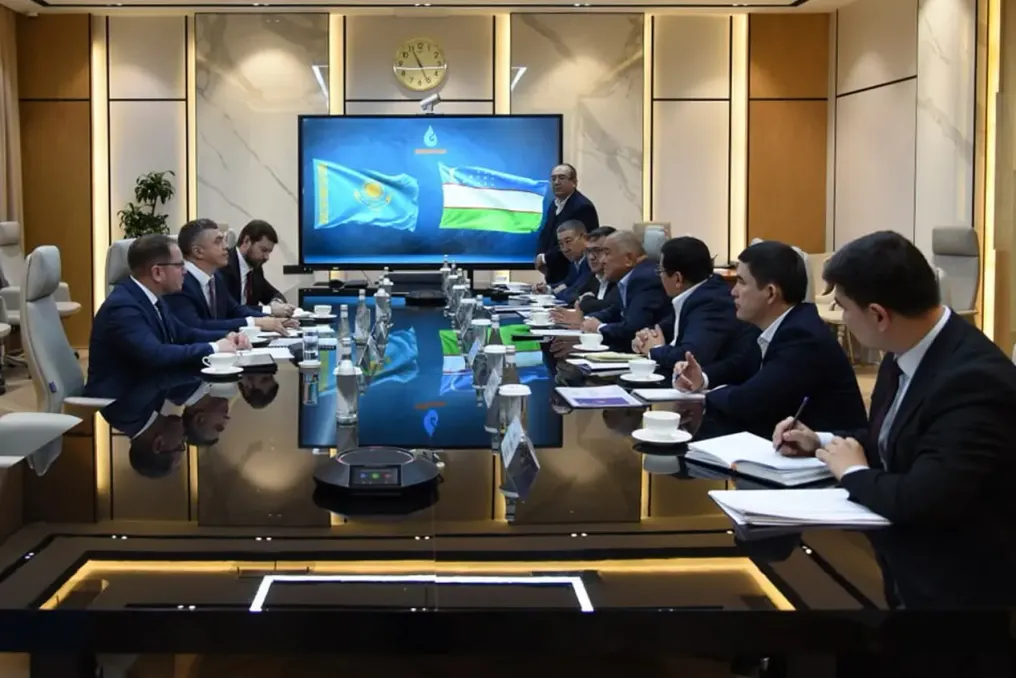
The Chairman of the Board of Directors of Uzbekneftegaz, Abdugani Sanginov, met with Evgeny Tatarintsev, head of the Kazakh company Azimut, to discuss issues of interaction in the oil and gas sphere.

The main focus of the negotiations was on the possibilities of jointly implementing projects in this industry, as well as introducing modern technologies into production processes.

Particular interest was drawn by the potential possibility of applying Azimut's technological solutions in areas such as seismic exploration, drilling, hydraulic fracturing, and well logging. Azimut specializes in providing services for geological exploration and the oil and gas business.

After the meeting, both sides emphasized the need for further technical evaluation of the presented proposals and the development of practical cooperation in promising areas. However, the report did not specify any concrete projects or timelines for their implementation.

Popular