International Metallurgy Exhibition IRAN METAFO 2026 takes place in Tehran with the participation of 16 countries
Read more
Tehran Times
www.tehrantimes.com

International Metallurgy Exhibition IRAN METAFO 2026 takes place in Tehran with the participation of 16 countries

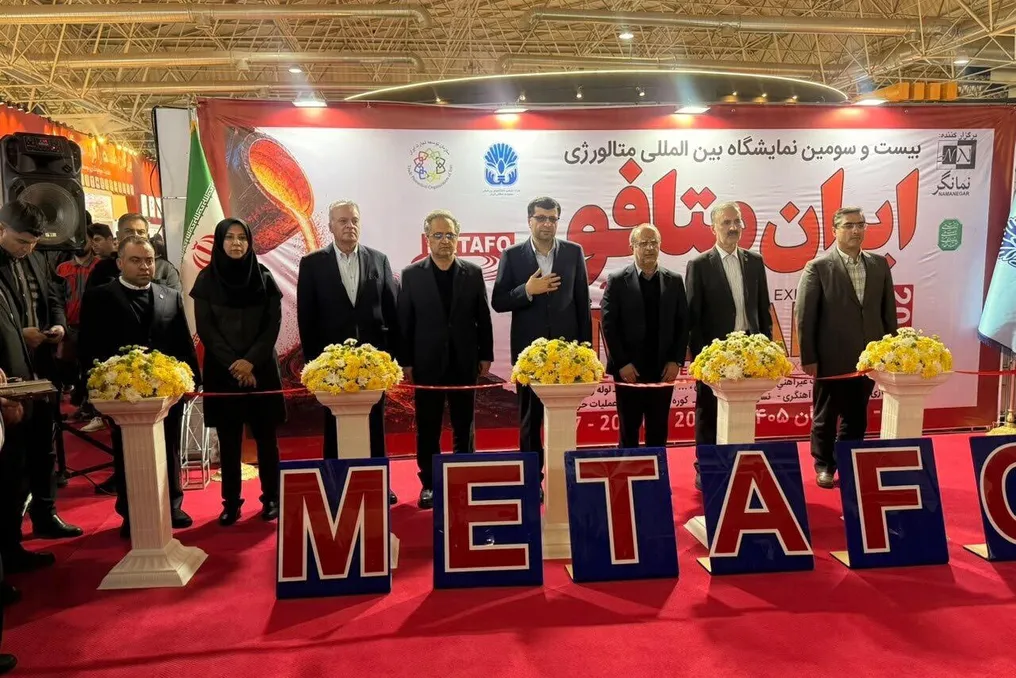
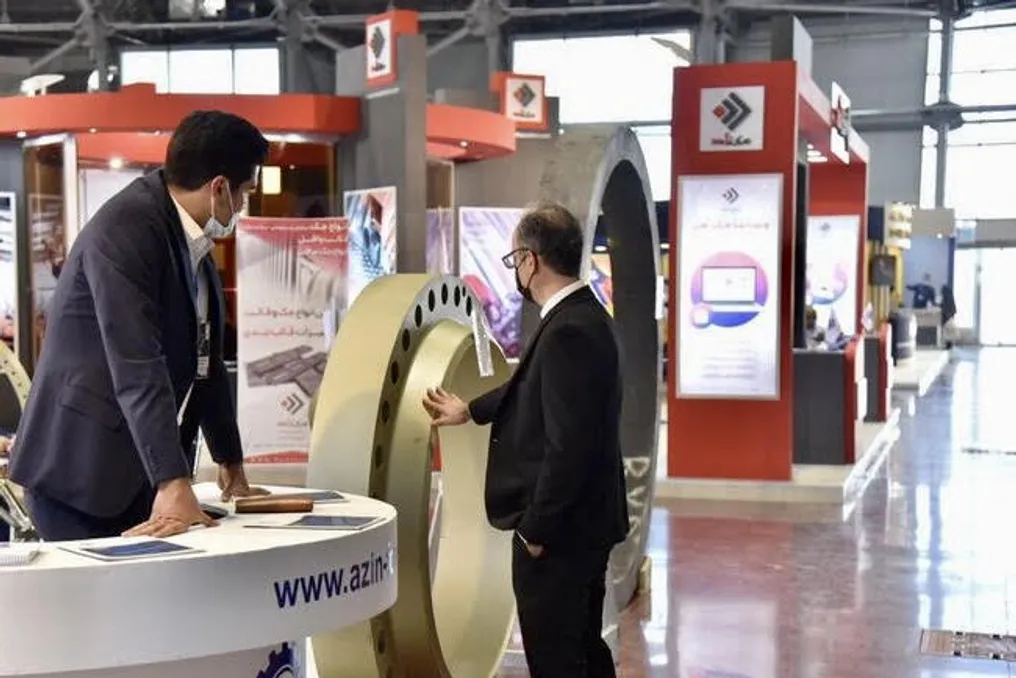
The XXIII International Exhibition of Steel Industry, Metallurgy, Casting, Forging, Mining Industry, Mechanical Engineering, and related industries of Iran (IRAN METAFO 2026) has started in Tehran. The event is held at the Tehran International Permanent Fair, attracting about 450 domestic and foreign companies from Iran and 16 countries around the world.

According to IRNA data, approximately 420 local companies and 25 foreign representatives and brands are participating in this edition. Foreign participants include companies from Sweden, Italy, France, Finland, Spain, China, Turkey, Switzerland, Germany, Denmark, Brazil, the United Kingdom, Russia, the Czech Republic, India, and Turkmenistan, who are showcasing their latest achievements, technologies, and services.

The exhibition features a wide range of industries, including cast iron and steel, mining industry, non-ferrous metals (including copper, aluminum, and zinc), casting, mold making, machining, forging, heat treatment, raw materials, refractory materials, and equipment related to these fields. Special attention is paid to non-ferrous metal producers, especially aluminum producers, as well as suppliers of raw materials and refractory materials, and companies operating in the casting sector.

Parallel to the exhibition, numerous conferences, specialized panel discussions, and training seminars are planned. The goal of these events is knowledge exchange, experience transfer, and analysis of current problems and challenges facing the metallurgical industry.

The IRAN METAFO 2026 exhibition will take place from November 17 to 20 at the Tehran International Permanent Fair. Abdolkarim Jalali, head of the Metallurgical Exhibition Organizing Committee, noted that the event covers an extensive complex of industries and activities related to the production and processing of metals, including steel, mining, non-ferrous metals, casting, molding, machining, forging, heat treatment, raw materials, refractory materials, and related equipment.

He added that the XXIII International Metallurgy Exhibition is held to maximize the potential and capacities of research companies, as well as to create a suitable platform for presenting new technologies, products, and achievements of this industry.

The CEO of Namanegar explained the composition of participants, emphasizing that groups involved in the production of cast iron and steel are one of the main sections of the exhibition and will have broad representation, as in previous years. He also noted that producers and participants in the non-ferrous metals sector, especially aluminum, as well as suppliers of raw materials and refractory materials and participants in the casting industry, are among other important and actively participating groups.

The Head of the Organizing Committee of the XXIII IRAN METAFO reported that despite the difficult conditions in the country, interest in this international event this year was significant. The exhibition pavilions were filled months before the start, and due to limited space, some applying companies were unable to secure booths.

Jalali reiterated that parallel to the exhibition, conferences, specialized panels, and trainings will be held for experience exchange and studying the current tasks of the metallurgical industry.
Similar stories

Iranian Cultural Week Held at Hankuk University of Foreign Studies in South Korea
Read more
www.tehrantimes.com

Iranian Cultural Week Held at Hankuk University of Foreign Studies in South Korea

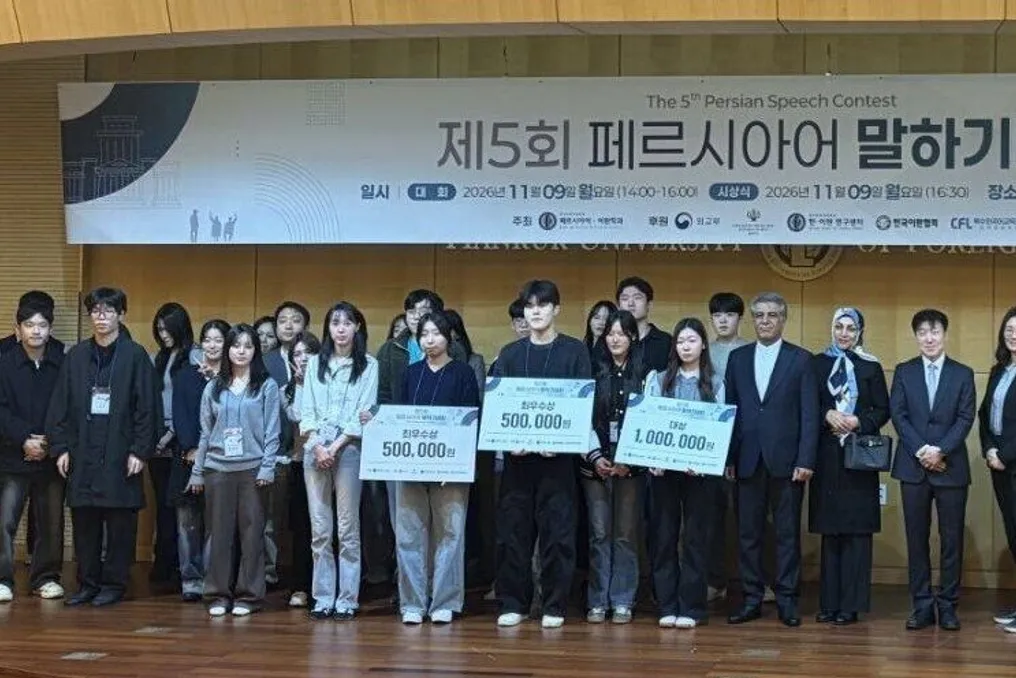
The Iranian Cultural Week took place at Hankuk University of Foreign Studies in Seoul, South Korea. The event ran from November 9 to 13 and marked the 50th anniversary of the study of Persian and Iranian languages at this educational institution. The program included various academic, cultural, and student events, among which was a speech contest highlighting the long-standing friendship and cultural ties between Iran and South Korea.

The jury for the contest included the Iranian Ambassador to the Republic of Korea, Ahmad Erfaniyan. He encouraged participants who demonstrated their interest in the Iranian language and culture, emphasizing the common interests and long-standing friendship of the two peoples. Erfaniyan noted the significance of the Persian language for representing the culture, literature, and civilization of Iran. According to IRNA, the faculty and students of Hankuk University expressed gratitude for the efforts in teaching and expanding the language in South Korea.

The Cultural Week also featured seminars with alumni, a translation contest, and a meeting of specialists from the Faculty of Persian and Iranian Studies. During the opening session, students gave speeches in Persian about their motivations for learning the language, their interest in Iranian literature and culture, and their personal experiences in this field.

This was followed by seminars with alumni of the Faculty of Persian and Iranian Studies, many of whom currently work in the media and financial sectors. Additionally, students participated in a Persian translation contest.

The closing of the Iranian Cultural Week took place on November 13 at the Korea Press Foundation. The Iranian ambassador, university representatives, professors, students, and alumni were present. Ambassador Erfaniyan stressed that teaching the language and studying the culture contribute to strengthening mutual understanding and solidarity between the peoples of Iran and South Korea. A video message from the South Korean Ambassador in Tehran, Kim Jun-pyo, was also shown.

To conclude the event, three students were awarded for their achievements in translation. Simultaneously, an exhibition of Iranian handicrafts and programs showcasing Iranian cuisine and culture were held.

The Faculty of Persian and Iranian Studies at Hankuk University of Foreign Studies began its activities in 1976 and has played a key role over the past five decades in training specialists and disseminating knowledge about the Iranian language, literature, and culture in South Korea.

Tehran to Host 16 Countries at International Metallurgy Exhibition
Read more
www.tehrantimes.com

Tehran to Host 16 Countries at International Metallurgy Exhibition

The 23rd International Exhibition of Steel Industry, Metallurgy, Casting, Forging, Mining Industry, Mechanical Engineering, and related industries in Iran (IRAN METAFO 2026) will take place in Tehran. The event will be held at the Tehran International Permanent Exhibition Complex from November 17 to 20.

According to a report by IRNA from the Tehran International Exhibition Center, about 450 companies will participate in the exhibition—both Iranian and foreign from 16 countries worldwide, including a large number of knowledge-based companies.

IRAN METAFO 23 is one of the largest specialized venues in the field of steel and metallurgy in West Asia. It serves as a platform for demonstrating production, industrial, and technological capabilities, exchanging experience and knowledge, and developing trade cooperation among industry participants.

In this edition, about 450 companies will be presented, of which approximately 420 are local and 25 are foreign representatives and brands. Foreign companies will present products from Sweden, Italy, France, Finland, Spain, China, Turkey, Switzerland, Germany, Denmark, Brazil, the United Kingdom, Russia, the Czech Republic, India, and Turkmenistan, showcasing their latest achievements, technologies, and services.

Abdulkareem Jalali, head of the Metallurgical Exhibition Organizing Committee, noted that the exhibition covers a wide range of activities related to the metal production and processing chain. These include iron and steel production, mining, non-ferrous metals such as copper, aluminum, and zinc, as well as casting, forming, machining, forging, heat treatment, raw materials, refractory materials, and equipment.

He added that the goal of holding the 23rd International Metallurgy Exhibition is to maximize the potential of knowledge-based companies and create a suitable platform for presenting new technologies, products, and achievements of this industry.

The CEO of Namanegar explained the composition of participants, emphasizing that groups involved in iron and steel production are included in the main sections of the exhibition and will be widely represented, as in previous years. He also mentioned that important participants include producers of non-ferrous metals, especially aluminum, raw material suppliers, refractory material providers, and the casting industry.

The head of the Organizing Committee of the 23rd IRAN METAFO reported that despite difficult conditions in the country, interest in this international event this year was significant. The exhibition pavilion space was filled months before the start, and due to limited space, some applicants could not secure booths.

Jalali emphasized that parallel to the exhibition, numerous conferences, specialized panel discussions, and training seminars will take place, aimed at knowledge exchange, experience transfer, and discussing current problems and challenges in the metallurgical industry.

QS Asia University Ranking includes more Iranian universities in the list of top institutions
Read more
www.tehrantimes.com

QS Asia University Ranking includes more Iranian universities in the list of top institutions

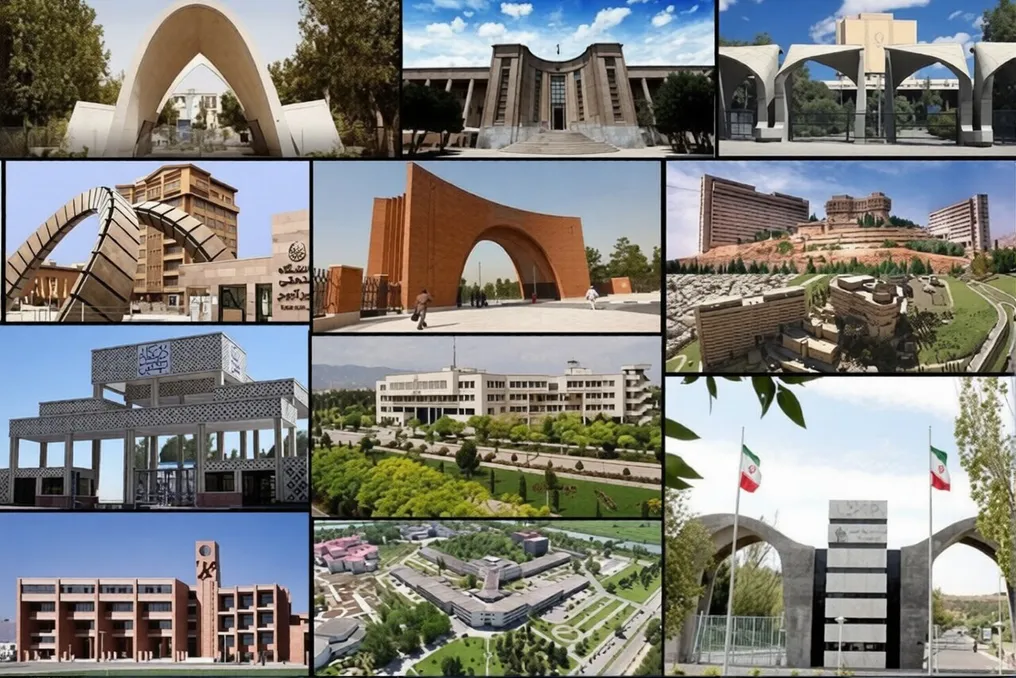
According to the QS Asia University Rankings, 50 Iranian educational institutions are included in the list of leading universities for 2027, which is two more than the 48 institutions in 2026. As reported by Mehr news agency, Tehran University ranks first among Iranian universities with a global ranking of 114.

The second through tenth ranked universities include Sharif University of Technology (global ranking 130), Amkiran University of Technology (global ranking 191), Islamic Azad University of Science and Technology (192), Shahid Beheshti University (232), Isfahan University of Technology (244), University of Tabriz (254), Shiraz University (303), K.N. Toosi University of Technology (343), Babol Noshirvani University of Technology (355), and Shiraz University of Technology (359).

This ranking, published annually since 2009, highlights the best universities in Asia. The methodology for compiling the ranking is similar to the QS World University Rankings methodology, but it includes additional indicators and adjusted weights. These criteria were developed after consultations with regional experts and stakeholders to reflect the main priorities for Asian universities, using the most accessible data.

The QS Asia University Rankings uses 11 indicators: academic reputation (30 percent), employer reputation (20 percent), student-to-faculty ratio (10 percent), international research network (10 percent), article citations (10 percent), articles per faculty member (5 percent), faculty with doctoral degrees (5 percent), proportion of international faculty (2.5 percent), proportion of international students (2.5 percent), proportion of exchange incoming students (2.5 percent), and proportion of exchange outgoing students (2.5 percent).

In the current regional ranking, which covers a total of 1722 academic institutions, the leaders in Asia are recognized as the University of Hong Kong, Peking University, and Tsinghua University.

Popular