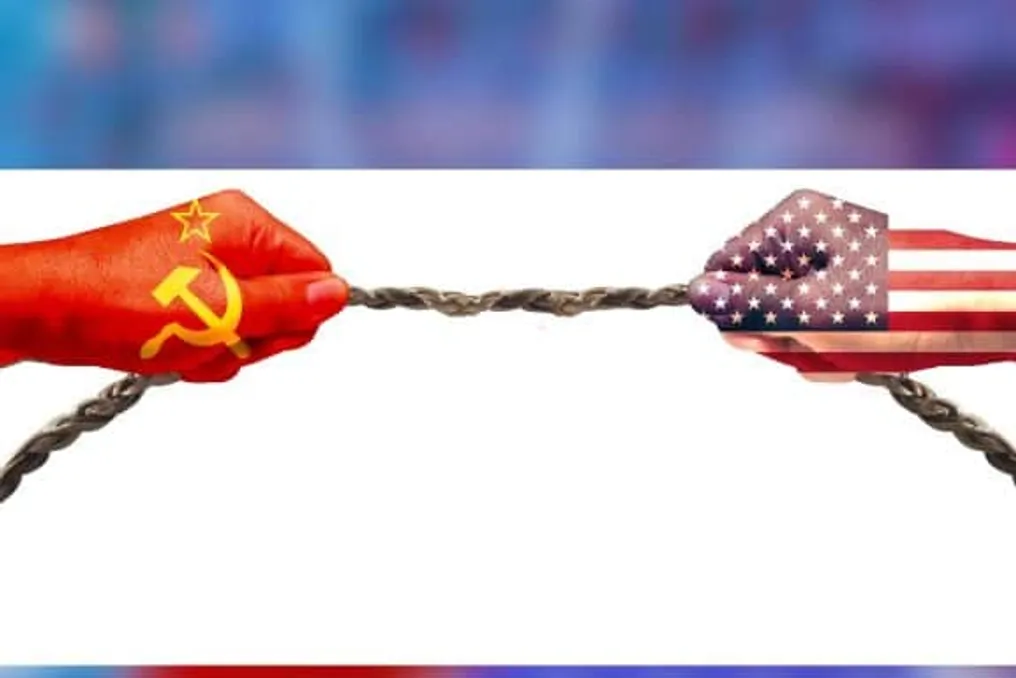
China declared on Tuesday, the 17th, that it will implement measures to protect its interests after the United States expanded restrictions on the export of advanced chips intended for Artificial Intelligence (AI).
The new guidelines also affect Brazil and four other countries, requiring them to obtain permission from the American government to receive certain processors. Beijing characterized this determination as an abuse of the concept of national security.
During a press conference, Guo Jiakun, spokesperson for the Chinese Ministry of Foreign Affairs, expressed his criticism of the American action. He stated that it is a classic example of economic coercion and extraterritorial application of laws. The diplomat also accused Washington of exaggerating the concept of national security and using export control measures inappropriately.
Guo Jiakun promised that Beijing would defend its legitimate rights and interests, reiterating that the United States continues to abusively expand the concept of national security and misuse export control rules.
In addition to Brazil, Singapore, Thailand, Malaysia, and Indonesia were added to the list of nations subject to these new obligations. Manufacturers will require American government approval to ship advanced processors to these markets, with each request being analyzed separately.
This regulatory tightening is linked to suspicions that Nvidia processors are being diverted to Chinese companies, even in the face of trade restrictions imposed on Beijing.
The intensification of pressure for stricter controls occurred the week before the disclosure of information about Alice Huang, an executive at Megaspeed, a company based in Singapore that became a major buyer of Nvidia chips. According to the US government, Megaspeed allegedly supplied semiconductors to Chinese companies, including Alibaba, for AI model training.
Alice Huang was pointed out as a possible Chinese spy and maintained a romantic relationship with Jensen Huang, who was co-founder and CEO of Nvidia at the time. This incident came to light last week, forcing the executive to resign, although the two are not related despite the similar surname.
The regulation imposed by the US Department of Commerce aims to prevent Chinese corporations from using infrastructure located in other countries to train AI models using processors whose export to China is prohibited. According to the rule, countries classified as high risk have a higher than average probability of illegal diversion of these components to China or Macau. These two territories are under US embargo, as are Russia, Iran, North Korea, Syria, and Cuba.
The markets impacted by these requirements also host large data processing centers associated with Chinese tech giants such as ByteDance, owner of TikTok; Tencent, responsible for WeChat; Alibaba; and Huawei.
On Monday, the 16th, the United States confirmed that it is investigating Megaspeed, a Singaporean cloud computing company where Alice Huang worked. The company is suspected of helping Chinese companies circumvent US restrictions on the export of advanced chips. The investigation began in 2024, according to the Department of Commerce, which is investigating possible violations of export controls. In June 2025, during an on-site inspection of the company's facilities, Alice Huang had already been interrogated by US authorities.
In a joint statement, the Departments of Commerce and Justice announced their intention to apply 'the full weight of the law' against Megaspeed for any criminal activity that may have occurred.