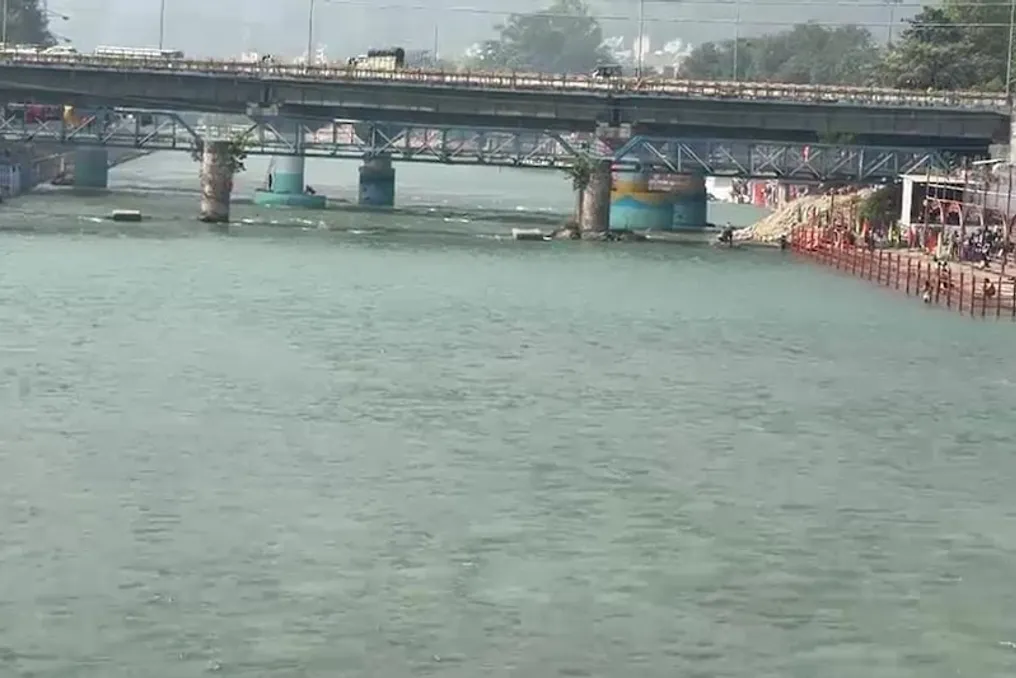
The construction of another major bridge has been completed on the banks of the Ganges River in Bihar. This six-lane bridge, connecting Kachhi Dargah in Patna with Bidupur in Vaishali, has been named 'Nitish Setu'. The project, which began about 14 years ago, is now fully ready. Prime Minister Narendra Modi plans to dedicate this bridge to the people on November 21.
The total length of the project is approximately 19.76 kilometers, of which the main bridge across the Ganges River is about 9.76 kilometers long. This modern six-lane bridge will strengthen Bihar's road network and significantly ease travel between Patna and northern Bihar.
The opening of the bridge will improve transport connectivity between Patna and Vaishali, which is particularly important for residents of Ragopur Diara and surrounding areas. The main advantage of 'Nitish Setu' is enhancing connectivity between Patna and northern Bihar. Currently, the main route from northern Bihar to Patna is the Mahatma Gandhi Setu, and the new bridge will help reduce the load on it.
Furthermore, it will become easier to reach Patna from Vaishali, Hajipur, and neighboring districts. This is expected to lead to reduced travel time and stimulate commercial activity.
The history of this bridge began in 2012 when Nitish Kumar was the Chief Minister of Bihar. Theoretical approval for the project was given in September 2012. In 2013, consultants were appointed for the project, and the feasibility study began. In June 2013, the complete plan for the bridge was presented to Chief Minister Nitish Kumar.
In December 2014, the project received approval from the central government, after which the process of obtaining a loan from the Asian Development Bank (ADB) started. In 2015, the Bihar government provided administrative approval to the project. Construction work commenced on January 16, 2017, after the completion of the international tender process.
Thus, from announcement to completion, the project took a significant amount of time. Many billions of rupees were spent on the construction of the Kachhi Dargah-Bidupur bridge. Financial support was provided by the Asian Development Bank and the Bihar government. The total approved cost of the project is estimated at approximately 4,988.40 crore rupees, including contributions from the ADB and the Bihar government.
'Nitish Setu' is named after former Chief Minister Nitish Kumar. Minister Samrat Chaudhary announced this, explaining the naming as a tribute to Nitish Kumar's contribution to the development and road infrastructure of Bihar. However, the opposition raised questions regarding this naming. Tejashwi Yadav demanded that the bridge be named after freedom fighter Akhshavat Rai and made political remarks about naming the bridge after Nitish Kumar.
After a long wait of about 14 years, 'Nitish Setu' will soon open to the public. On November 21, Prime Minister Narendra Modi will formally dedicate it to the people. The opening of the bridge will provide a new strengthening of road links between Patna and northern Bihar, becoming an important convenience for areas like Ragopur Diara, while also helping to reduce traffic on the Gandhi Setu and accelerate regional economic growth.