Three-seater electric tuk-tuk sold in Brazil and has features that may eliminate the need for a driver's license
Read more
AutoPapo
autopapo.com.br

Three-seater electric tuk-tuk sold in Brazil and has features that may eliminate the need for a driver's license

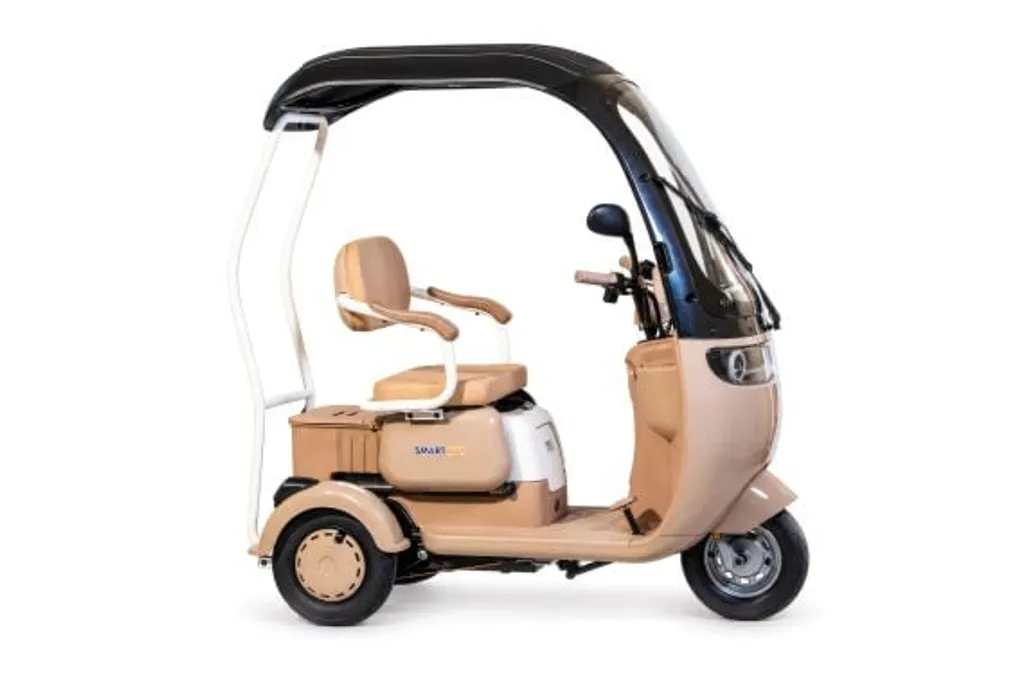
A three-seater electric tuk-tuk model, which is an icon of traffic in cities like Bangkok and New Delhi, is available for sale in Brazil. This electric vehicle, called SmartTuk 800W, from Smartway, was specifically designed to cover short distances in urban environments and offers the promise of exempting the driver from the National Driver's License (CNH).

Currently, the tricycle can be found on the manufacturer's website for R$ 13,109.05 during a promotion, while on Mercado Livre its price is listed at R$ 11,899. The possibility of not needing a driver's license, as well as registration and licensing, applies to equipment classified as self-propelled, according to Resolution No. 996/2023 of the National Traffic Council (Contran).

To fall into this category, the vehicle must meet specific criteria: maximum power of 1,000 W, maximum manufacturing speed of up to 32 km/h, width of up to 70 cm, and wheelbase of up to 130 cm. The SmartTuk 800W satisfies the first two requirements, featuring an 800 W motor and reaching 32 km/h. However, the technical sheet indicates the 70 cm width only in the packaging dimensions and does not specify the wheelbase.

Another point of attention relates to the three seats. Contran regulations deal with individual mobility equipment, and the presence of three seats does not authorize the driver to transport passengers on public roads.

Even respecting the norms, the use of the tuk-tuk is restricted to bike paths, cycle lanes, and roads with a speed limit of up to 40 km/h. In pedestrian areas, its circulation is only permitted with authorization from the local traffic authority and at a speed limited to 6 km/h.

In terms of components, the SmartTuk 800W uses a 60 V and 15 Ah lead-acid battery, which is more economical and heavier compared to the lithium batteries used in conventional electric vehicles. A full charge takes approximately six hours, and the advertised range reaches up to 30 km, although this value may vary depending on the terrain type, driving mode, and load weight.

The established load limit is 175 kg, meaning that three adults weighing 60 kg each would exceed the maximum stipulated by Smartway. Among the available features, the tricycle has three speeds, reverse gear, digital panel, LED headlights, turn signals, and an alarm with remote start function. The total weight of the tricycle is about 110 kg, and it is delivered disassembled.
Similar stories

Caoa Changan reduces price of CS55 and announces launch of eight new models for 2027
Read more
autopapo.com.br

Caoa Changan reduces price of CS55 and announces launch of eight new models for 2027

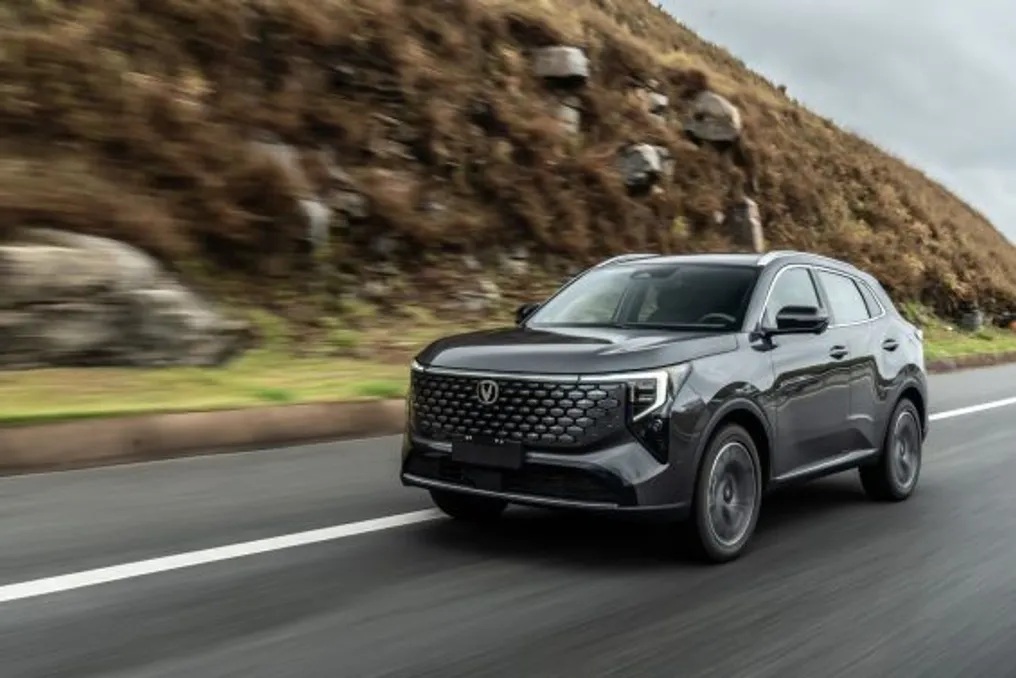
The Caoa group celebrates the first year of Changan in Brazil under its management, presenting special offers on its vehicle line. Additionally, the company confirmed the launch of eight new automobiles scheduled for 2027, which includes the introduction of the Deepal and Nevo lines.

The anniversary promotions include the CS55 Prime model, whose price has been reduced to R$ 139,990, representing a discount of R$ 5 thousand. The Uni-T also had its price adjusted to R$ 169,990. For the Uni-T and CS75 models, there is the option of zero interest or receiving a R$ 10 thousand bonus when trading in a used vehicle.

Current Lines and Future Expansion

Currently, Caoa Changan operates in the Brazilian market with the Uni, CS, and Avatr lines. The brand announced that in 2027, it will expand its portfolio with eight new models in Brazil, in addition to incorporating the new Deepal and Nevo divisions.

These new models will be offered with various propulsion types, covering internal combustion (ICE), full hybrid (HEV), plug-in hybrid (PHEV), range-extended electric (REEV), and fully electric (BEV), aiming to cater to a more diverse audience.

The Caoa group emphasizes that all vehicles destined for the Brazilian market undergo rigorous durability tests, covering over 2 million kilometers for validation. Among the models already available in Brazil, those with flex engines, such as the CS55 plug-in hybrid, stand out.

The confirmation of the Deepal and Nevo families anticipates Caoa's plans for 2027, especially regarding powertrain options, complementing the Uni, CS, and Avatr lines already present in the country.

Details of the New Lines

Deepal is positioned as a brand focused on electric vehicles within the Changan group, presenting a more general proposal. Its catalog includes medium or large sedan and SUV models, with the only exception being the compact S05. All Deepal models use 100% electric or REEV propulsion systems, following a model similar to that adopted by Leapmotor.

The second confirmed line is Nevo, which also prioritizes electrification. This line will offer electric, plug-in hybrid, and range-extended electric options. It is important to note that the only Changan division not confirmed for Brazil is Kaicene, responsible for commercial vehicles, indicating that Caoa is concentrating its efforts on more sophisticated models for the national market.

Iveco Daily Minibus starts being sold in Brazil with an eight-speed automatic transmission
Read more
autopapo.com.br

Iveco Daily Minibus starts being sold in Brazil with an eight-speed automatic transmission

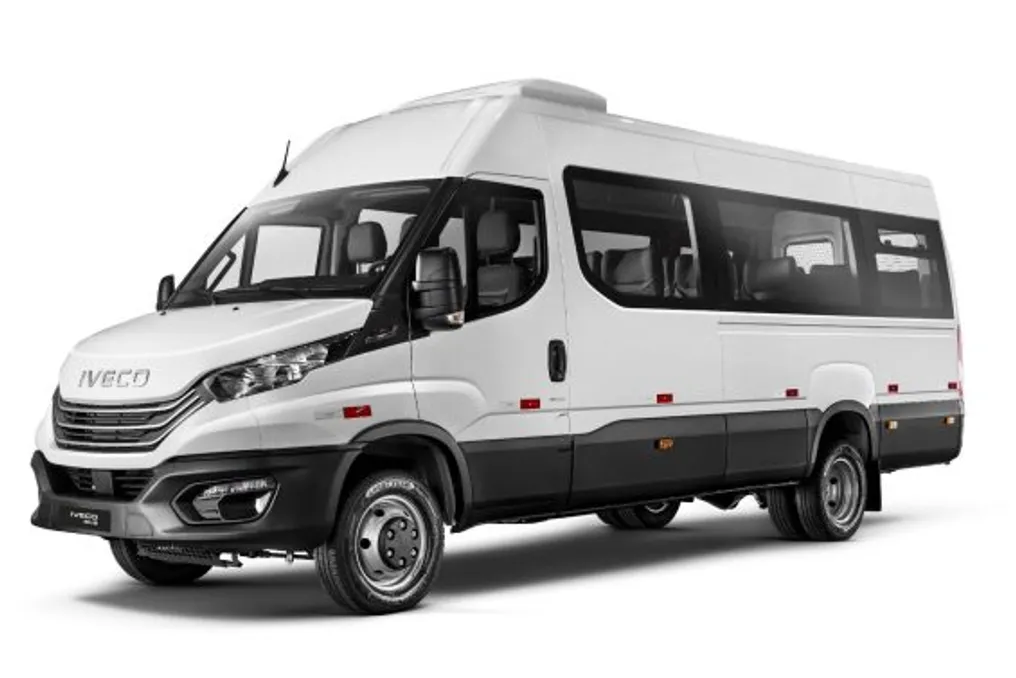
Iveco Bus has begun commercializing the Daily Minibus Hi-Matic line in Brazil, marking the debut of an automatic transmission in its minibus. The new model was presented during the Lat.Bus 2026 fair, held in São Paulo, and its first units have already been delivered to clients, such as Ilha Vans e Utilitários, based in São Luís (MA).

The Daily Minibus line is available in two main versions, 45-180 and 50-180, and can be configured in four types: Freight, Tourism, Executive, and Vetrato. The standardization of the brand nomenclature indicates the gross vehicle weight (either 4.5 tons or 5 tons) and the vehicle's power, respectively.

The major innovation introduced is the ZF 8HP automatic transmission, which has eight gears and belongs to the same family used in vehicles from brands like BMW and Jeep. This system offers three operating modes: Eco Mode, focused on optimizing fuel consumption; Kick Down, which downshifts when the accelerator is pressed fully to facilitate overtaking; and Creep Mode, which allows the vehicle to move slowly just by releasing the brake pedal, assisting in maneuvers.

The mechanical unit uses the 3.0 turbodiesel FPT F1C engine, which generates 180 hp and 43.8 kgfm. According to Paulo Kazuto, an Iveco Bus product marketing specialist, these smooth transitions provide greater comfort to the driver and contribute to reducing component wear.

Mauricio Yamamoto, who serves as head of Iveco Bus in Latin America, emphasized that making the automatic transmission available across the entire product range expands the options available to customers. Iveco reports that the Daily Minibus is the only chassis-built van produced in Brazil because its body is mounted on an independent structure, similar to a truck, thus combining the drivability of a van with the robustness of a minibus.

Manufactured in Sete Lagoas (MG), the model boasts one of the largest interior spaces for passengers within its category, according to the brand itself. Additionally, the Daily Minibus was recognized in the Best Dealership Award from Quatro Rodas magazine, ranking among vans that show the lowest depreciation.

Lexus ES 500e, the brand's first fully electric sedan, arrives in Brazil with a price of R$ 549,990
Read more
autopapo.com.br

Lexus ES 500e, the brand's first fully electric sedan, arrives in Brazil with a price of R$ 549,990

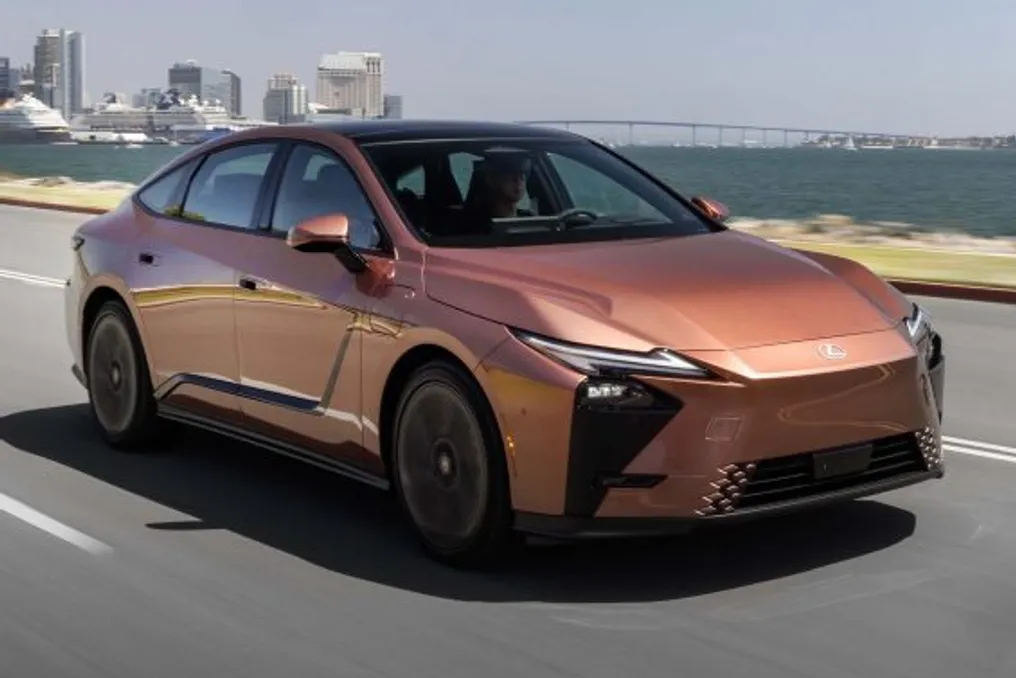
Lexus has begun selling the new ES 500e in Brazil, marking the arrival of the brand's first fully electric sedan. This top version of the eighth-generation ES is available at all dealerships for the price of R$ 549,990.

This price represents an increase of R$ 150 thousand compared to the ES 350h, a hybrid model launched in August for R$ 399,990. Lexus emphasizes that the ES is the best-selling car in its world history.

Previously, the company had already made the electric SUV RZ 500e available in the Brazilian market, which was launched in May for R$ 499,990.

Built on a renewed platform, the sedan features larger dimensions compared to the previous generation, measuring 5.15 meters in length and 2.95 meters in wheelbase.

The electric system uses DIRECT4 all-wheel drive, combining a front motor generating 227 hp and 27.3 kgfm with a rear motor of 98 hp and 17.3 kgfm. The combined power reaches 343 hp.

With a battery capacity of 74.7 kWh, the vehicle offers a range of up to 378 km, according to the cycle established by Inmetro. Furthermore, on fast DC chargers, the recharge process from 10% to 80% is completed in just 28 minutes.

Among the innovative features, the Interactive Manual Drive stands out, allowing the driver to simulate gear changes; in M mode, the driver can control power delivery through the paddles located behind the steering wheel.

The ES 500e also incorporates the Lexus Safety System+ 4.0 driver assistance package, which includes features such as automatic emergency braking, adaptive cruise control, and lane centering, in addition to being equipped with ten airbags.

Inside, the multimedia center features a 14-inch screen, the largest ever offered by the manufacturer, and the Mark Levinson audio system has 17 speakers.

Buyers have access to the LexusCare program, which extends the warranty at no additional cost for up to 10 years or 200,000 kilometers. This benefit is considered unprecedented among luxury brands in Brazil, according to Lexus itself.

To utilize this extension, the owner must perform maintenance at authorized dealerships after the expiration of the basic five-year warranty. Lexus has 15 dealerships in the country, and customers can also use the Toyota network for maintenance and service checks.

Popular