Significant changes may occur in the NEET UG, the largest medical entrance examination system. A target group, chaired by Nandan Nilekani, has been formed by the government of the country to enhance transparency and improve conditions for students in medical college admissions. Among the proposed measures are assigning weight to 12th-grade certificate scores, conducting the exam more than once a year, and implementing Computer Based Testing (CBT).
According to a report by Indian Express, these proposals emerged during consultative meetings with various states. It was noted that many states with differing political views insist on the necessity of giving due weight to 12th-grade marks in NEET. However, these proposals are currently under discussion, and a final decision from the government has not yet been made.
Currently, the ranking of candidates for admission to medical colleges via NEET UG is determined predominantly by the results obtained in the exam itself, which focuses students exclusively on preparing for this test. Some states argue that excessive reliance on a single entrance exam causes school education and 12th-grade studies to take a backseat.
The states have proposed including 12th-grade certificate scores in the NEET UG selection process with appropriate weight. According to the regions, this would encourage students to pay more attention to their schooling. Concern was also raised that due to the pressure of NEET preparation, many students after the 10th grade enroll in fictitious schools and spend most of their time in coaching centers.
Nevertheless, it has not yet been determined what percentage of weight will be assigned to the certificate scores or how they will be integrated with the NEET score.
Another potential change is increasing the number of attempts to take NEET UG. Currently, students are only allowed to take the exam once a year. An error or poor result within one session can negatively affect the entire preparation for medical university admission throughout the year.
The states have suggested conducting NEET UG multiple times a year. This could give students an additional opportunity to improve their results and reduce the pressure associated with a single attempt. However, it is not yet clear whether the exam will be held twice a year or more often. The mechanism for comparing results from two attempts and determining the admission score has also not been disclosed.
A third major change may concern the examination format. Currently, NEET UG is conducted using Optical Mark Recognition (OMR) sheets. During meetings with the target group, a proposal was put forward to transition to Computer Based Testing (CBT). According to the report, most states in South India, excluding Tamil Nadu, supported the shift to CBT. Nevertheless, an alternative idea was also discussed—providing students with both options (CBT and paper-based) initially to allow them time to adapt to the new format, similar to the transition to CBT in JEE.
The final decision on the exam format must be made by the Ministry of Health and Social Welfare. Furthermore, the states raised the issue of strengthening the infrastructure and accessibility of examination centers. It was proposed to establish at least one center in every district of the country so that candidates do not have to travel to remote cities. The need to create sufficient computer infrastructure for CBT and provide practice opportunities before the exam was also discussed.
The states also submitted suggestions to improve coordination between central examination agencies, state governments, and local administration, as well as timely preparation of examination materials.
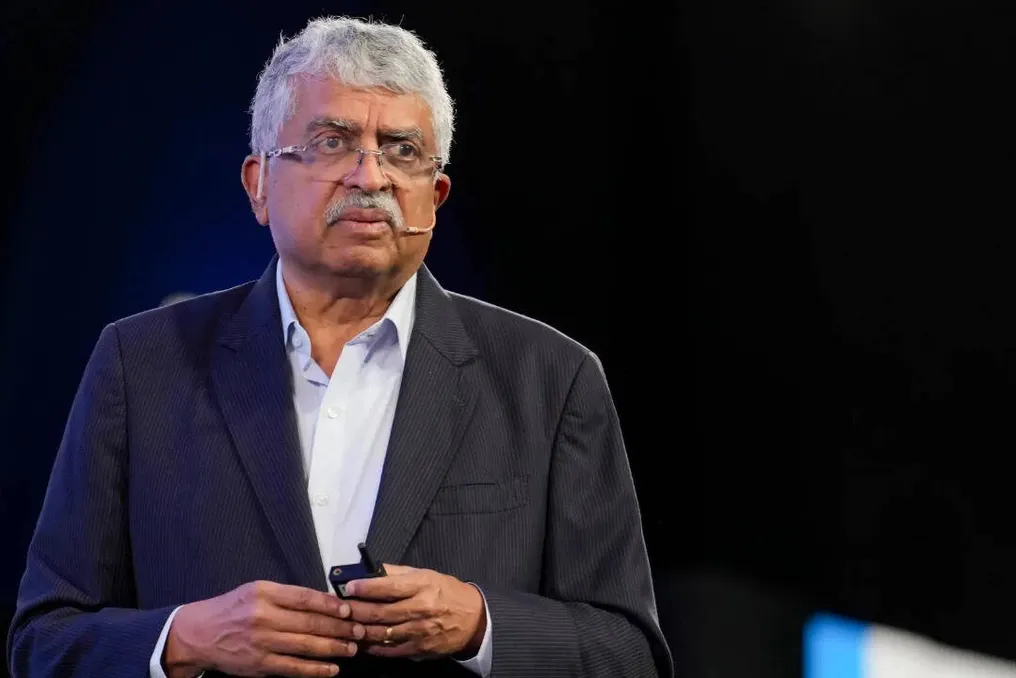
The central government established a high-level target group of six members in July 2026 to reform the examinations. It is headed by Nandan Nilekani, co-founder of Infosys. The committee includes former ISRO chairman C. Somnath, former intelligence bureau director Tapan Deka, IIT Madras director V. Kamakoti, former Secretary of Education Anita Karwal, and logistics expert Amrit Lal Mina.
The committee was tasked with developing recommendations to increase the transparency of the examination system, prevent leakage of examination materials, improve technology utilization, and reform national exams. The initial deadline for the report submission was set for October 2026, but it was extended to January 2027. The committee completed consultations with the states of South India, Jammu and Kashmir, and Odisha, and discussions with the states of North India are planned soon.