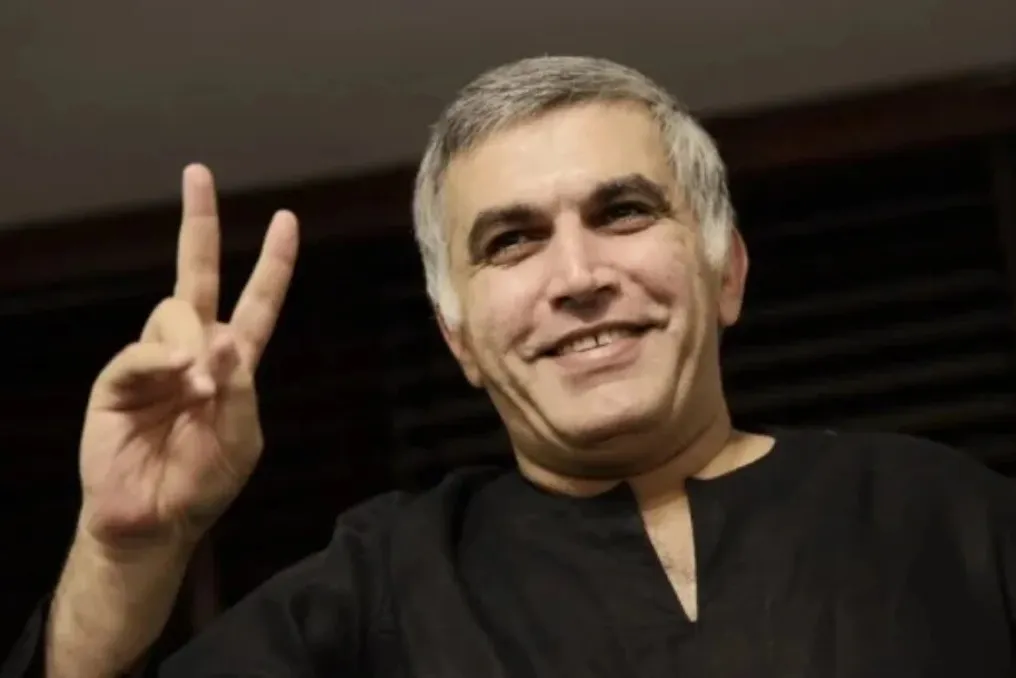
Bahraini activist Nabil Rajab died in Turkey at the age of 62
Read more
Middle East Eye
www.middleeasteye.net

Bahraini activist Nabil Rajab died in Turkey at the age of 62

The Bahraini human rights defender Nabil Rajab passed away in Turkey on Tuesday, at the age of 62. According to fellow activists, his death followed a heart attack.

Ebrahim Sharif, an activist and close family friend, told the Associated Press that Rajab's wife and daughter found him unconscious early in the morning at their home in Turkey.

Saed Ahmed Al-Wadai, Advocacy Director at the London-based Bahrain Institute for Rights and Democracy, recalled the activist, calling him a 'wonderful soul' who was 'noble, like his name [Nabil]'.

Al-Wadai wrote on X that 'Nabil defended our rights with dignity and paid a high personal price, just like his family, for defending his people's rights.' He added that Rajab faced imprisonment and state abuse for exposing human rights violations. Rajab left Bahrain after witnessing the murder of Saed Mohammed Al-Musawi, which was carried out as a result of torture.

Rajab left Bahrain at the beginning of the Iran war and fled to Turkey, fearing re-imprisonment by Bahrain for publishing a statement accusing the government of Al-Musawi's death, a former political prisoner.

Becoming one of the most recognizable figures in the country's democracy movement, Rajab dedicated much of his adult life to challenging authorities over political repression, torture, and restrictions on freedom of expression.

As president of the Bahrain Centre for Human Rights (BCHR), Rajab helped draw international attention to abuses in the Gulf state, documenting violations and advocating for the release of political prisoners.

His activism made him a frequent target of Bahraini authorities, who repeatedly arrested and prosecuted him for participating in demonstrations and criticizing the government.

He was released from prison in 2020 after serving a five-year sentence for his activities and received a non-appealable verdict.

Rajab was one of the most prominent activists emerging from the 2011 uprising in Bahrain, when thousands of demonstrators took to the streets demanding political reforms, greater accountability, and an end to discrimination.

His campaign extended beyond Bahrain, as Rajab criticized Western governments and regional allies for supporting the Bahraini authorities.

In 2015, upon leaving prison, Rajab told Middle East Eye that the situation was slowly changing as international partners acknowledged that 'Bahrain is a dictatorship that marginalizes and discriminates against its native population.'

He noted: 'Before, no one spoke about Bahrain, but today [in 2015] 47 Western countries criticize the human rights situation in Bahrain, and today you see awareness among people, among the media, that never existed before.'
Similar stories

Iranian Red Crescent Proposes BRICS Network to Support Women
Read more
www.tehrantimes.com

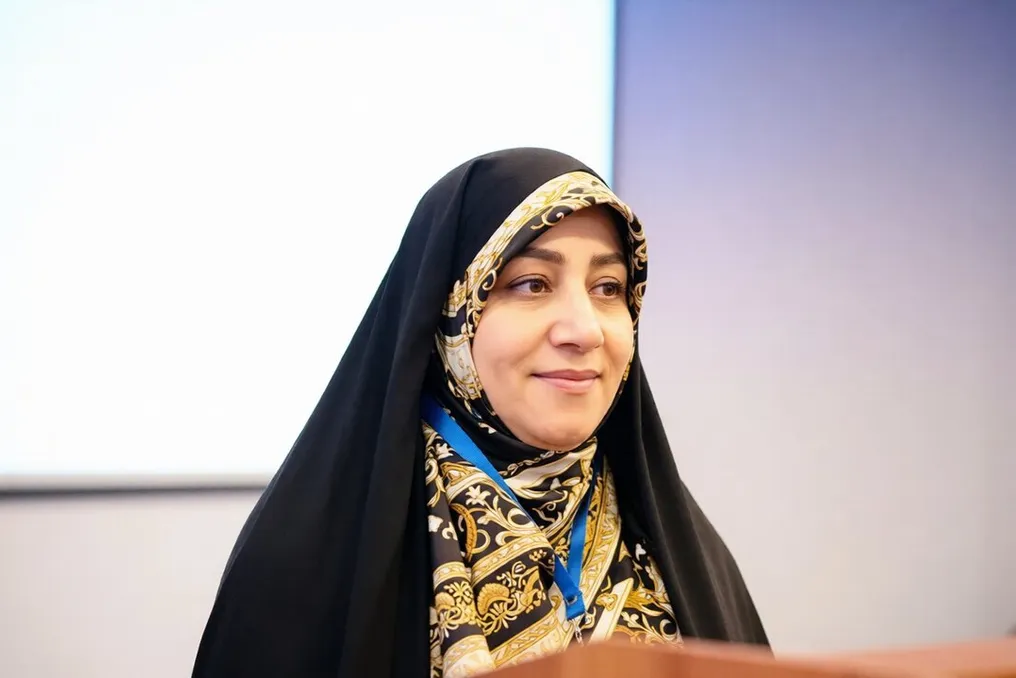
Iranian Red Crescent Proposes BRICS Network to Support Women

The Iranian Red Crescent Society (IRCS) has proposed the creation of a network within BRICS aimed at expanding opportunities for creative and sustainable women, as well as strengthening cooperation among women from member countries.

Raziyeh Alishvandi, Deputy Director of IRCS for International and Humanitarian Law, discussed the potential of BRICS member states. According to the IRCS website, the proposed network will serve as a platform for knowledge and experience exchange, organizing joint exhibitions, developing digital education, showcasing achievements and products of women, and facilitating small businesses' access to regional and global markets.

These statements were made during the International BRICS Women's Youth Forum, held in St. Petersburg, Russia, from November 19 to 21.

Alishvandi emphasized that investing in women's capabilities is an investment in the future of societies, as strong women not only build their own futures but also play a key role in strengthening the family, developing society, and advancing the national economy.

She expressed hope that interaction between BRICS countries will pave the way for expanded international engagement and the creation of new opportunities for connecting creativity, entrepreneurship, social solidarity, and sustainable development for women.

Furthermore, the official announced IRCS's readiness to share its national experience in women's empowerment. Speaking about a national plan called YAS, which stands for 'allies building the future,' she reported that this initiative was launched in 2024 to enhance the individual, social, and economic competencies of young women. The main goal is to transition from temporary, intermittent support to sustainable empowerment.

YAS aims to transform young women from passive recipients of support services into active, responsible, creative, and engaged members of society. This is achieved by providing life skills training, emergency and rescue assistance, mental health support, social participation, entrepreneurship, and sustainable employment.

According to her, thanks to IRCS missions in 31 provinces of the country, approximately 80,000 young women have benefited from the YAS initiative so far.

The International BRICS Women's Youth Forum was held under the theme 'Dialogue of Generations for the Future.' It served as a platform to unite socially active young women with leaders of women's organizations from BRICS countries to discuss a common agenda for the coming decade.

Discussions focused on key areas such as economic empowerment (women's entrepreneurship, the role of AI in creative industries, and enhancing economic resilience), social and cultural issues (healthcare, demographics, labor market, and preserving cultural heritage through creative activities), and international cooperation (strengthening ties, youth initiatives, and public diplomacy among BRICS nations).

In July, Nardjehs Abolqasemi, an official from the Vice Presidency for Women and Family Affairs, detailed Iran's macro-level policy regarding women and family at the BRICS Women's Working Group (WWG) meeting held in Kerala, India, on July 6-7.

She noted that women's empowerment requires a shift from ad-hoc measures to strategic and sustainable policies. In Iran, women's entrepreneurship and economic development are driving forces for strengthening national resilience and the foundation of the family. Therefore, policy is developed and implemented with a family-centric approach, Abolqasemi quoted IRNA.

Abolqasemi also highlighted the importance of four priority areas of the meeting: promoting women's participation in governance and leadership, advancing digital and financial inclusion, strengthening women's entrepreneurship and skill development, and enhancing women's role in combating climate change, food security, and nutrition.

Referring to the country's experience in developing the women's entrepreneurship ecosystem, she stated that Iran is focusing on creating models to support innovative enterprises led by women, developing modern skills, and utilizing the potential of the digital economy.

Iran's participation in the WWG meeting provided an excellent opportunity to share its own experience, expand joint efforts, and develop new initiatives to achieve economic justice and sustainable development among BRICS member states, Abolqasemi added.

Emphasizing the significance of developing specialized cooperation among BRICS countries, the official announced Iran's readiness to utilize its scientific, political, and executive capacities to effectively participate in developing innovative models for women's economic empowerment and expanding multilateral cooperation within BRICS.

The WWG meeting was held under the slogan 'Building Resilience, Innovation, Cooperation, and Sustainability,' reflecting a human-centered approach to global cooperation. The event gathered high-ranking government officials from BRICS countries to discuss key issues related to women's empowerment, women-led development, and improving cooperation within common priorities.

Popular