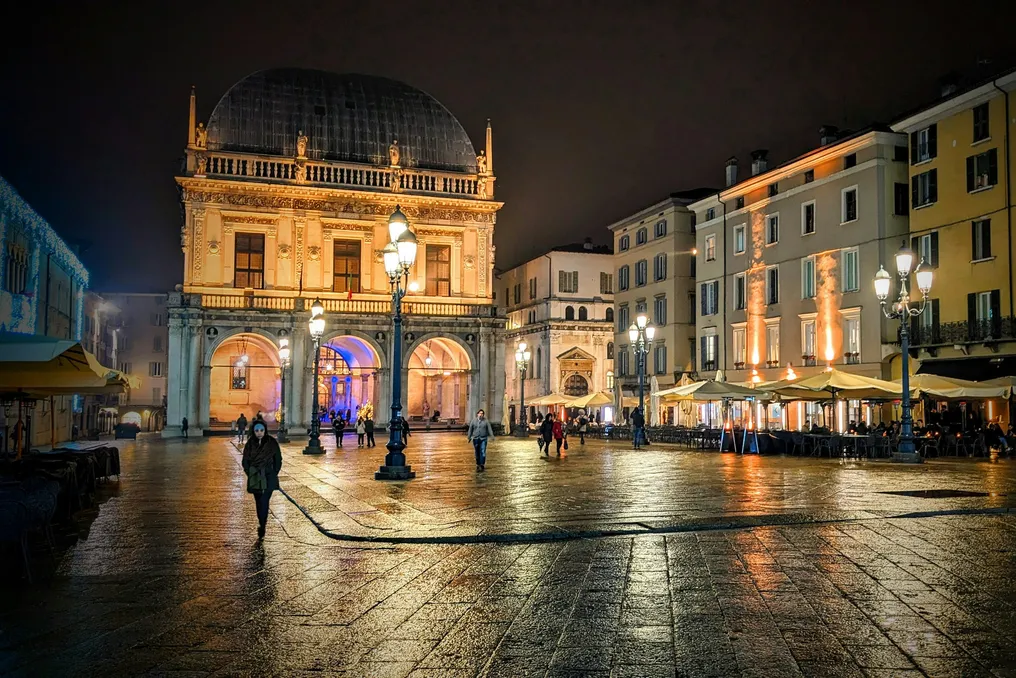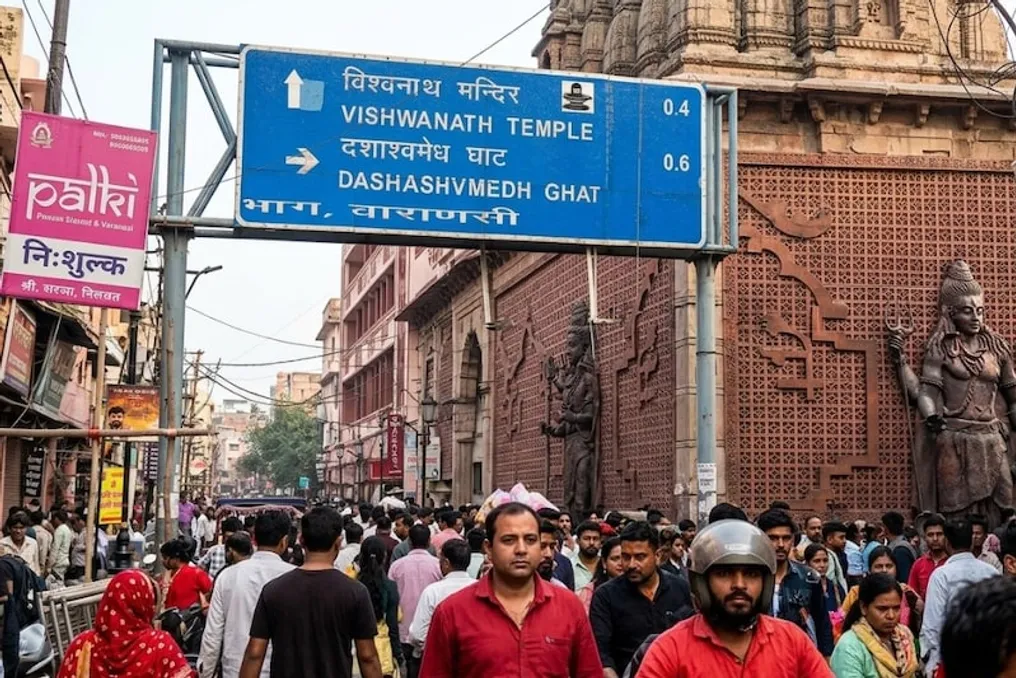
Curiosity about the origins of ancestors has driven the growth of genealogical tourism, known in Italian as 'turismo delle radici,' in the international market. This modality aims to convert immigration narratives into customized experiences, using religious records, surnames, and old documents to trace routes through the places where past generations resided.
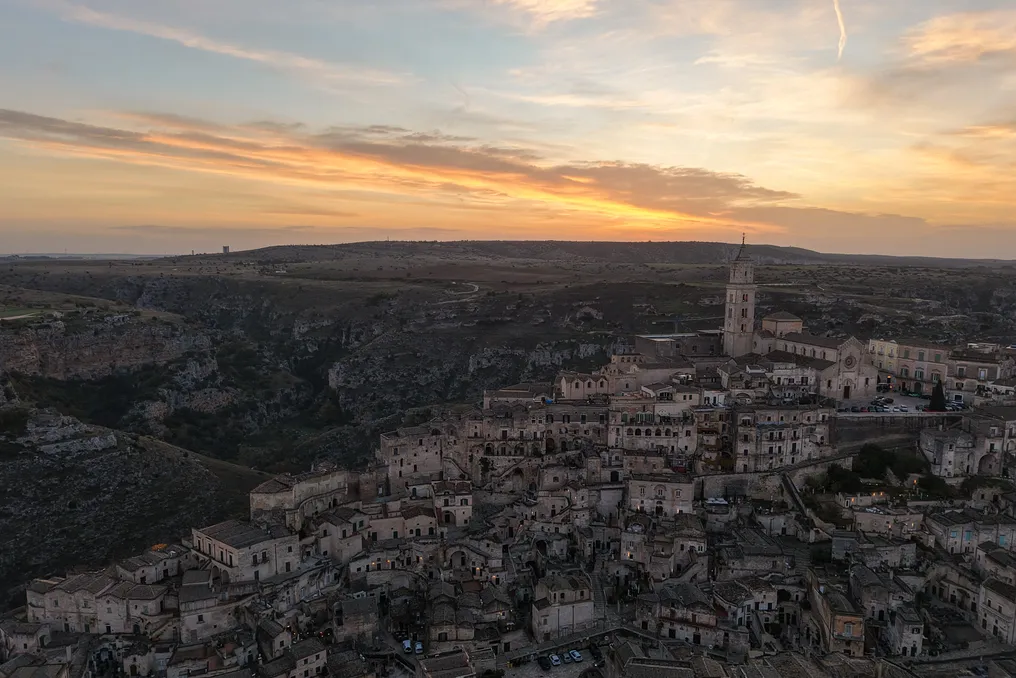
The topic was a central point in the discussions at the Roots-IN 2026 event, held in Matera, Basilicata, southern Italy, between November 11 and 12, with participation from VIAGEM E TURISMO. This genealogy-focused meeting served as a business platform connecting suppliers from various Italian regions with buyers from six nations that received the Italian diaspora: Brazil, Argentina, the United States, Canada, Mexico, and Australia. Furthermore, the fair offered lectures on genealogical research and hospitality in small villages.
Catia Dalmolin, an Italian-Brazilian historian and founder of Gens Turismo Genealógico, shared that her interest in helping families recover their histories arose after years dedicated to historical research and writing books about immigration. According to her, the beginning of the process involves presenting documents of the person who emigrated, allowing the investigation to advance through previous generations to identify professions, places of residence, and family movements.
The time required to complete the entire investigation can range from one month to one year, depending on the complexity of the story and the available documentation. Only after this verification phase is it possible to create an itinerary aligned with the ancestors' trajectory. However, the experience transcends the mapped records and locations; for Catia, genealogical tourism engages all five senses. She exemplified that emotion can arise from a plate of pasta reminiscent of grandmother's taste, illustrating that it is a complete immersion.
Genealogical research faces obstacles, as pointed out by Michele Cartusciello, director of the Museo del Cognome in Padula, Salerno. A common problem is the belief of some people that the surname unequivocally defines the city of origin. Often, families travel to places just to find someone with the same surname, only to later discover that their ancestors came from another municipality.
Cartusciello mentioned that errors in transcribing old documents are frequent, and convincing people to change an established perception of their origin is a considerable challenge. In the Brazilian context, he highlighted the importance of disembarkation records at the Port of Santos and the documentation maintained by the Immigration Museum in São Paulo. He also cited the existence of many records in Argentina, contrasting with Uruguay, where documentation is scarce because the migratory route often passed through Argentina before heading to Uruguay. Similar situations occur in Bolivia, Ecuador, Colombia, and Venezuela.
Margherita Sarli, general director of the Basilicata Territorial Promotion Agency (APT), emphasized during Roots-IN that tourism institutions cannot meet all the demands of this audience alone. It is crucial to involve parishes, communities, and local residents, since many visitors seek stories and people, not just tourist spots.
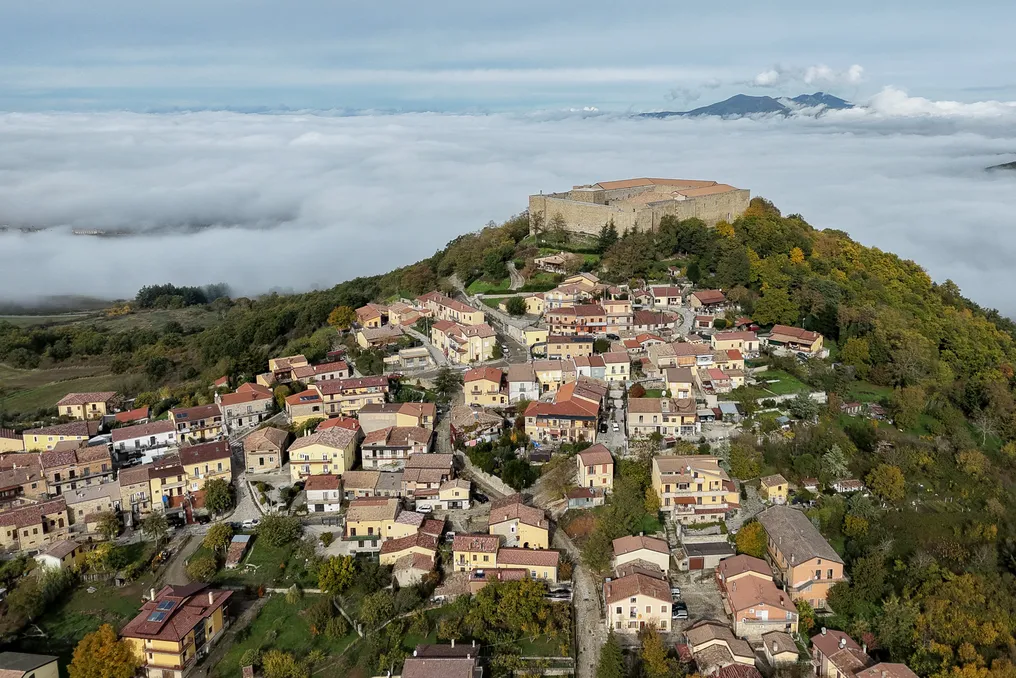
This aspect gives great economic potential to smaller regions. For Catia Dalmolin, almost any Italian city can host these visitors, but smaller villages offer deeper experiences, especially those that maintain traditions and family structures. Some clients, due to strong ties formed with the visited places, even acquire properties in their ancestors' villages.
For Basilicata, origin tourism represents an opportunity that goes beyond merely increasing tourist flow. Marcello Pittella, president of the regional council, stated that the region has about 120 thousand Lucanians living abroad, and strengthening ties with descendants can foster new investments and the return of people to their homeland.
For this potential to be realized, it is essential to go beyond mere family historical interest; the segment demands specialized professionals, access to documentary archives, and a local network capable of meeting unique needs. In summary, root tourism allows not only discovering one's origin but also understanding the way of life, the paths traveled, and the legacy left by past generations, elevating Italian regions to a level of living historical narrative.