Rising air pollution in Delhi poses a serious danger to everyone, but it becomes a critical threat for people suffering from cancer. According to doctors, due to the pollution, patients cannot receive treatment on time, which increases the risk of disease progression. Furthermore, exposure to pollutants causes breathing problems and coughing in these patients.
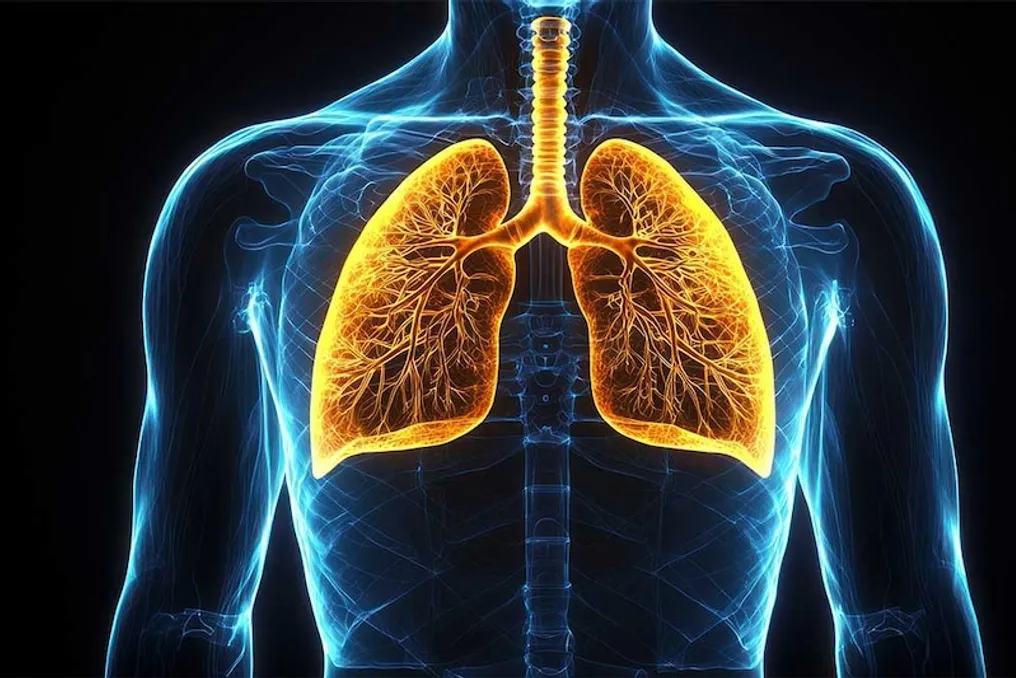
Doctors note that gases and fine particles in polluted air cause inflammation in the lungs. This inflammation can lead to persistent coughing. Studies show that oncology patients exposed to pollution have worse treatment outcomes than those in clean environments.
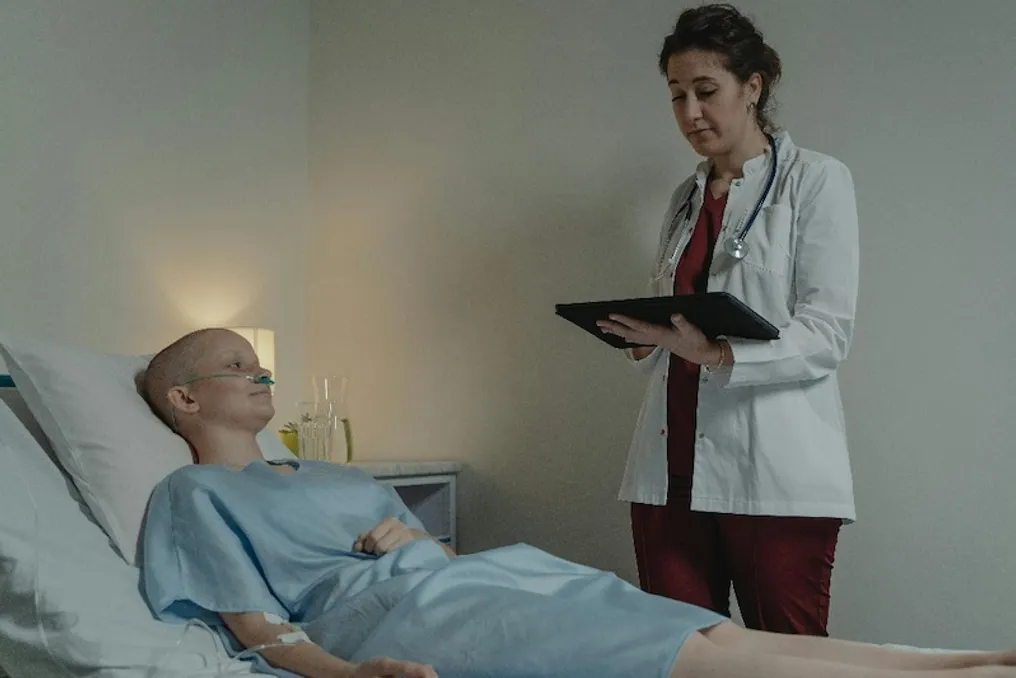
Dr. Parvin Jane, Senior Consultant and Head of Oncology at Akash Healthcare, explains that due to pollution, many cancer patients experience incessant coughing and difficulty breathing. Under such conditions, administering chemotherapy becomes extremely difficult, leading to treatment delays and worsening prognosis for patients. If symptoms such as coughing and shortness of breath worsen, this also slows down the treatment process.
Dr. Jane emphasizes that pollution does not just cause coughing; it steals the most valuable time for cancer treatment. Every phase of the chemotherapy course must take place within the established timeframe. Any delay disrupts the entire treatment plan, and patients remain at risk of symptom exacerbation.
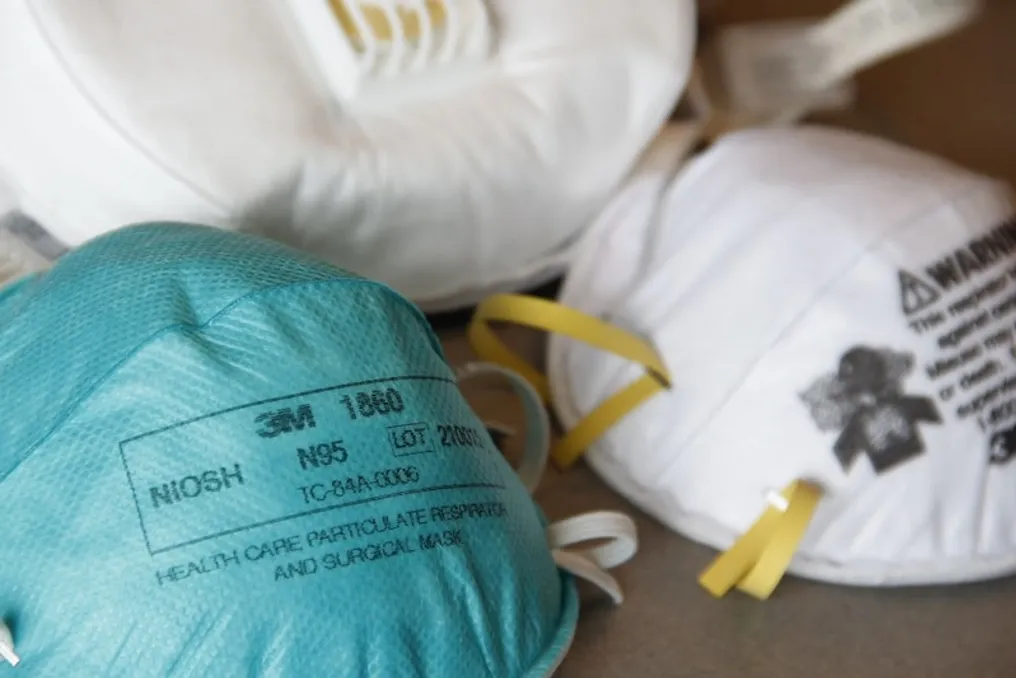
Cancer patients are advised to observe several precautions. Firstly, they should avoid going outside in the morning and evening, as pollution levels peak during these hours. Secondly, it is crucial to use a high-quality air purifier with HEPA filtration capable of reducing PM 2.5 concentration indoors. Thirdly, when going outside, one must wear a well-fitting N95 mask, as ordinary cloth or surgical masks are ineffective against this type of pollution.
Patients undergoing cancer treatment and chemotherapy, as well as individuals with respiratory problems such as asthma, COPD, and breathing difficulties, are at the highest risk. The elderly and children, as well as those already suffering from cough and shortness of breath, are particularly vulnerable. Patients should seek immediate medical attention if they notice an increase in coughing, shortness of breath, or wheezing.