Healthcare worker states that global solidarity is necessary to combat antimicrobial resistance
Read more
Tehran Times
www.tehrantimes.com

Healthcare worker states that global solidarity is necessary to combat antimicrobial resistance

A healthcare worker emphasized that antimicrobial resistance (AMR) represents one of the most serious threats to healthcare systems worldwide. He noted that this is not a distant threat but an immediate problem requiring universal cooperation and solidarity to contain it.

Estimates suggest that AMR causes approximately 1.2 million direct deaths annually, with the total number of deaths related to this phenomenon reaching nearly five million. Without taking effective measures, the number of deaths directly linked to AMR could rise to ten million by 2050.

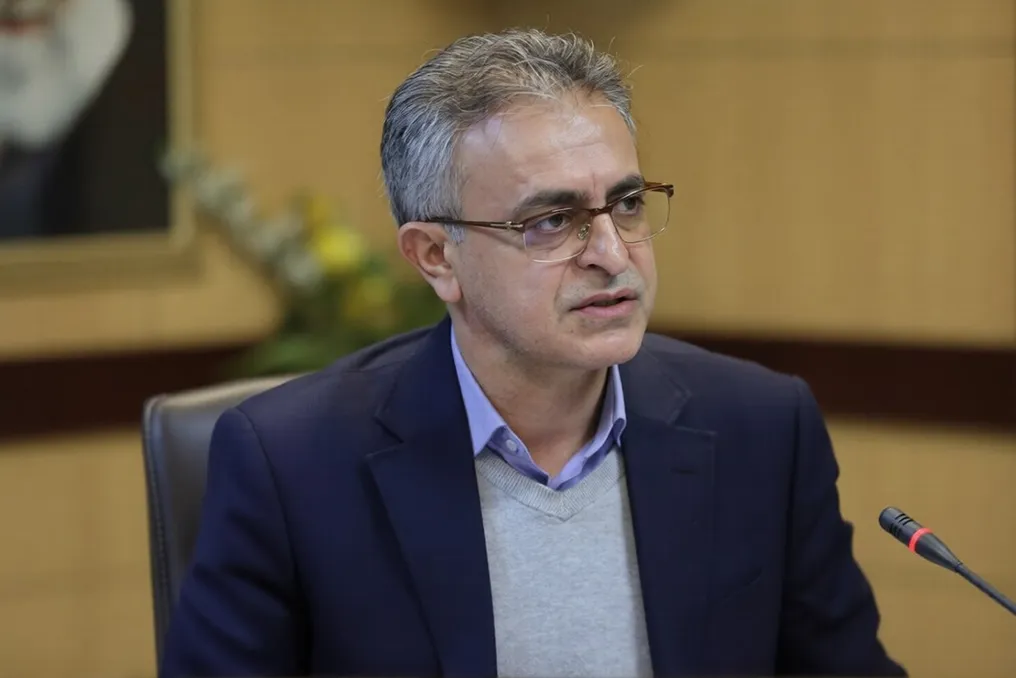
Kobad Moradi, head of the Infectious Disease Management Center of the Ministry of Health, highlighted the overuse of antimicrobial drugs and weaknesses in hospital infection control as the main factors exacerbating the crisis. He made these remarks on Monday during a webinar dedicated to AMR Awareness Week, which is held annually from November 18 to 24.

AMR occurs when bacteria, viruses, fungi, and parasites change over time and develop resistance to medications. This makes treating infections increasingly complex and increases the risk of disease transmission, severe illness, and death. As a result, antibiotics and other antimicrobial agents become less effective or completely useless, making the treatment of some infections difficult or impossible.

Moradi stressed that the consequences of AMR extend beyond human health, affecting food security, the economy, and environmental sustainability. He stated that no single country can tackle this threat alone, as resistant microorganisms can easily spread across geographical borders, underscoring the need for international solidarity and coordinated global action.

Mentioning the inclusion of AMR in the United Nations agenda, Moradi noted that this issue has moved beyond narrow technical discussions of the World Health Organization (WHO) and has become a subject of serious attention at the highest levels of the global political process. He added that specific goals and strategies have been defined to address this problem, including raising public awareness, strengthening surveillance systems, promoting research, and improving infection prevention measures.

The Global Action Plan on Antimicrobial Resistance was approved at the 68th World Health Assembly in May 2015. One of its key objectives is to raise awareness and understanding of AMR through effective communication, education, and training. The annual global initiative of AMR Awareness Week aims to increase understanding of antimicrobial resistance and promote best practices among the public, healthcare workers, and policymakers.

Similar stories

Central Asia Needs a Coordinated Antimicrobial Resistance Monitoring System
Read more
uzdaily.uz

Central Asia Needs a Coordinated Antimicrobial Resistance Monitoring System

Central Asian countries must establish a harmonized surveillance system for antimicrobial resistance (AMR) that integrates data from healthcare, veterinary, environmental research, and climate monitoring. Despite the growing global threat of antibiotic resistance, the lack of comparable regional data hinders the assessment of the problem's scale and the identification of pathways for the spread of resistant microorganisms.

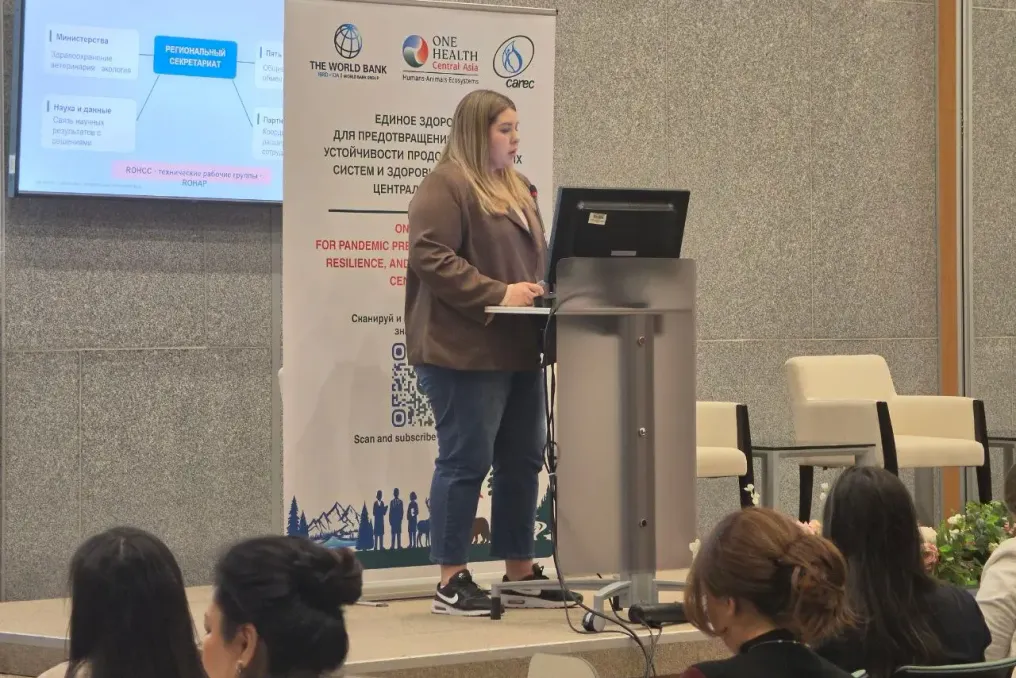
This was stated by Oksana Kravtsova, project coordinator at the Central Asia Regional Environmental Centre (CAREC), during an international conference on antimicrobial resistance held in Astana on November 19–20. In her presentation titled 'Climate Change as a Factor Contributing to Antimicrobial Resistance,' Kravtsova examined ecological mechanisms affecting the spread of antibiotic resistance, gaps in regional surveillance systems, and opportunities for cross-border cooperation under the 'One Health' approach.

According to Kravtsova, combating antibiotic resistance requires a comprehensive approach because resistant microorganisms and resistance genes can circulate among humans, animals, and in the environment.

Antimicrobial Resistance: 1.14 Million Deaths Per Year

Kravtsova cited data from the Global Burden of Disease 2021 study, published in the scientific journal The Lancet in 2024. According to this study, bacterial antimicrobial resistance was directly responsible for approximately 1.14 million deaths worldwide in 2021, with another 4.71 million deaths linked to bacterial AMR.

It is important to distinguish these figures: the first reflects deaths directly related to bacterial resistance, while the second covers a broader category of deaths caused by infections triggered by resistant pathogens. Under the baseline projection scenario, antimicrobial resistance could lead to cumulative 39.1 million deaths between 2025 and 2050.

Kravtsova emphasized the need to separate global estimates from regional indicators, as the figures presented reflect the global AMR burden but do not establish corresponding mortality rates in Central Asian countries. One of the main obstacles to making such assessments is the shortage of comparable data collected by medical, veterinary, and environmental institutions.

Water Temperature and Transmission of Resistance Genes

Kravtsova also addressed the potential influence of climate-related factors on the spread of resistant microorganisms. She referred to a study published in the Journal of Hazardous Materials in 2024. A laboratory experiment established that increasing water temperature from 5°C to 30°C is associated with an approximate 30-fold increase in the frequency of antibiotic resistance gene transfer.

This finding indicates that temperature conditions can significantly affect the horizontal transfer of resistance genes between bacteria. However, Kravtsova stressed the limitations of interpreting such experimental results. The observed increase applies to a specific laboratory system and does not imply a comparable rise in morbidity, mortality, or prevalence of resistant bacteria in the natural ecosystems of Central Asia.

She also noted that temperature is not the only factor contributing to antimicrobial resistance; important determinants remain antibiotic use, sanitation conditions, and access to healthcare.

Four Categories of Data for Integrated Surveillance

Kravtsova identified the fragmentation of information collected by various state agencies and institutions as one of the central problems of regional AMR surveillance. To form a comprehensive understanding of the issue, at least four categories of data must be integrated.

Healthcare Data

These include laboratory results for resistant pathogens, antibiotic prescribing practices, patient diagnoses, and treatment outcomes.

Veterinary Data

This data covers the use of antibiotics in livestock farming and the results of monitoring resistant microorganisms in animals.

Environmental Data

This helps track the presence of bacteria and antibiotic resistance genes in municipal and hospital wastewater, surface waters, and soils.

Climate Data

This includes information on temperature, precipitation, floods, and hydrological conditions that may affect the environmental spread of microorganisms.

According to a CAREC representative, effective integration of these datasets requires harmonized indicators, data quality standards, information exchange procedures, and common analytical approaches. Without such coordination, an increase in individual studies will not necessarily provide a complete picture of the spread of antibiotic resistance in the region.

Six Potential Environmental Pathways for Resistance

In her speech, Kravtsova named six types of natural and anthropogenic environments that can contribute to the accumulation and circulation of resistant microorganisms and resistance genes. These include municipal and hospital wastewater, rivers and other bodies of water, livestock systems, agricultural soils, wildlife, as well as glaciers and meltwater.

Transboundary water systems are particularly important for Central Asia. Kravtsova highlighted three main river systems—the Amu Darya, Syr Darya, and Ili—that connect territories of several countries. Potential environmental risks can arise from insufficiently treated wastewater discharges, runoff from agricultural and livestock areas, and changes in water use practices during droughts.

Floods and heavy rains can facilitate the movement of pollutants into surface waters. In conditions of water scarcity, the importance of sanitary protection measures and water purification quality increases, especially where water reuse occurs. Nevertheless, the existence of these environmental pathways does not confirm that transboundary spread of resistant bacteria has already been recorded in each of the mentioned river systems; specialized studies are required to determine the scale and direction of such movement.

Five Research Priorities for Central Asia

Kravtsova outlined five research priorities necessary for a deeper understanding of antimicrobial resistance in the region. The first priority concerns seasonal correlations between temperature, flooding, and antimicrobial resistance indicators. The second involves studying the movement of resistant bacteria and resistance genes through water, soil, livestock systems, and interaction with human populations.

The third priority calls for comparing microorganisms isolated from clinical samples, animals, and environmental sources, which can help identify possible links between different reservoirs of resistance. The fourth priority relates to behavioral factors, including antibiotic use practices and risk communication. The fifth priority is assessing the burden of antimicrobial resistance, including its impact on morbidity, mortality, treatment costs, and broader socio-economic consequences.

Advancing these research directions will require not only expanding laboratory investigations but also harmonizing methodologies across countries.

How Regional Cooperation Can Be Organized

Discussing possibilities for regional interaction, Kravtsova presented a model that includes four levels of coordination: the Regional Council, technical working groups, the Regional Secretariat, and national institutions. The Regional Council will promote the alignment of priorities among participating countries and government bodies. Technical working groups can provide scientific expertise, develop harmonized laboratory approaches, and organize joint events.

The Regional Secretariat will support cross-border dialogue, knowledge exchange, and the development of common cooperation procedures. National institutions will retain responsibility for data collection, epidemiological surveillance, response measures, and implementation. In Kravtsova's view, regional coordination should strengthen existing national systems, not replace them or create parallel administrative structures. The main focus, therefore, is on ensuring the compatibility of national surveillance systems and their ability to work together, rather than creating a separate supranational management system.

Significance for Uzbekistan

For Uzbekistan, the development of integrated surveillance is particularly relevant, given the country's dependence on transboundary water resources, the scale of irrigated agriculture, and the need to control antibiotic use in healthcare and animal husbandry. Data from medical laboratories, veterinary services, environmental monitoring, and hydrological observations can be analyzed together to identify possible links between antimicrobial resistance and environmental changes.

Risk assessment in the Amu Darya and Syr Darya basins will require not only national research but also comparable monitoring data from neighboring countries. Such cooperation is becoming increasingly important in the context of climate change. Rising temperatures, droughts, extreme rainfall, and floods can alter the survival and spread conditions of microorganisms. However, the extent of the influence of these factors on antimicrobial resistance in Central Asia is yet to be determined.

The approaches proposed by CAREC call for moving beyond isolated laboratory studies and fragmented institutional surveillance towards coordinated data analysis. This can help countries more accurately assess risks, define prevention priorities, and develop joint measures to combat antimicrobial resistance.
The Importance of Rational Antibiotic Use and the Threat of Antimicrobial Resistance
Read more
cgtn.com

The Importance of Rational Antibiotic Use and the Threat of Antimicrobial Resistance

Unpleasant symptoms such as sore throat, runny nose, or earache can disrupt the normal daily routine. When symptoms become uncomfortable, some people take leftover antibiotics from previous illnesses, believing that recovery will happen faster.

However, antibiotics do not work against all infections. For example, if a sore throat is caused by a virus, an antibiotic will not eliminate the cause. Improper or unnecessary use can have serious consequences that extend far beyond a single episode of illness.

This everyday decision is linked to a much larger threat—antimicrobial resistance (AMR). As microorganisms become resistant to drugs designed to treat them, infections become harder to treat. Antibiotic resistance is a key part of this problem, jeopardizing the medications upon which modern healthcare depends.

Therefore, World Antimicrobial Awareness Week, held from November 18 to 24, is important for everyone. This year's theme, 'One Health, One Action: Preventing AMR Now,' calls for coordinated action in human, animal, and environmental health.

UN Children's Day on November 20, which falls within this week, serves as a reminder that protecting children's health also involves the rational use of antibiotics so that effective medicines remain available for future generations.

A Threat That Concerns Everyone

A study published in The Lancet in 2024 showed that bacterial AMR was directly responsible for 1.14 million deaths worldwide in 2021. According to the basic assessment of this study, bacterial AMR could potentially cause a cumulative 39.1 million deaths between 2025 and 2050.

These figures serve as a warning, not an inevitable future. AMR threatens not only the treatment of infections. Antibiotics contribute to improving the safety of procedures such as major surgery, organ transplantation, cancer treatment, and intensive care. If effective antibiotics become harder to use, many areas of modern medicine could face increased risks.

Not Every Sore Throat Requires Antibiotics

In otolaryngology practice, one of the most frequent discussions is explaining why an antibiotic may not be necessary. Most acute sore throats are caused by viruses, against which antibiotics are ineffective. Some cases are caused by bacteria, such as Group A Streptococcus, and may require treatment. A doctor's assessment and, if necessary, testing help determine the likely cause.

Sinusitis is another common source of misunderstanding. Yellow or green discharge in the nose does not automatically mean a bacterial infection; the color of the mucus itself cannot establish the cause. The updated adult sinusitis guideline from the American Academy of Otolaryngology–Head and Neck Surgery in 2025 advises clinicians to consider bacterial sinusitis if symptoms persist without improvement for at least 10 days or worsen after initial improvement. In uncomplicated cases, observation with guaranteed follow-up may be appropriate.

Earache also does not always require oral antibiotics. Treatment depends on the underlying condition, not just the symptom. When a patient asks for antibiotics, a simple statement of 'You don't need them' is rarely sufficient. Doctors must explain what the examination shows, why an antibiotic is unlikely to help, and what might relieve the symptoms. Patients must also know when they should return if their condition worsens or does not improve.

Not prescribing an unnecessary antibiotic is not the same as inaction. It is a clinical decision based on probable benefit and risk. Similarly, when a bacterial infection requires antibiotics, treatment should not be delayed due to concerns about resistance. The goal is not to avoid antibiotics at all costs, but to use them when they are likely to benefit the patient.

Patients and Doctors Share Responsibility

Some patients take antibiotics without medical advice, reuse leftover medication, or share prescriptions. Doctors may also feel pressure due to limited consultation time, diagnostic uncertainty, or patient expectations and prescribe drugs 'just in case.' Instead, prescriptions should be guided by clinical data, appropriate testing, and local resistance patterns.

Hospitals can support responsible use through antimicrobial stewardship, professional education, surveillance, and effective infection prevention. Patients should seek professional help rather than self-medicate and follow their doctor's instructions when antibiotics are prescribed.

Good communication is crucial. When patients understand why an antibiotic is not needed, they are more likely to accept an alternative treatment plan. Doctors must listen to their concerns, explain decisions in simple terms, and provide clear recommendations for further action. Responsible prescribing should build trust between doctors and patients, not create conflict.

Why Global Cooperation Matters

AMR crosses national borders and links human, animal, and environmental health. Resistant microorganisms and resistance genes can spread through direct contact, food, water, and improperly managed waste.

The 'One Health' approach recognizes these connections. Reducing the unnecessary use of antimicrobials in human healthcare, veterinary medicine, and agriculture must go hand-in-hand with vaccination, sanitation, food safety, infection prevention, and responsible waste management.

No single country can tackle AMR alone. Governments and researchers must share surveillance data and scientific knowledge, develop faster diagnostic tests, new drugs and vaccines, and help ensure access to effective diagnosis and treatment in resource-limited regions. In May 2026, the World Health Assembly adopted an updated Global Action Plan on Antimicrobial Resistance for the period 2026–2036, emphasizing the need for coordinated action across various sectors.

Protecting Future Medicines Starts Today

Individuals can help by not taking antibiotics for a common cold without consulting a doctor. Doctors can prescribe cautiously and explain their decisions. Hospitals and governments can invest in prevention, surveillance, research, and collaboration.

Protecting antibiotics does not mean refusing treatment for patients who need it. It means using these medicines wisely today so they can continue to save lives tomorrow.

Next time you have a sore throat or a runny nose, the most helpful question may not be 'Which antibiotic should I take?', but rather 'What is causing my symptoms and what treatment will actually work?'

WHO calls for strengthening the fight against antibiotic bacterial resistance
Read more
noticiasaominuto.com

WHO calls for strengthening the fight against antibiotic bacterial resistance

The World Health Organization (WHO) acknowledged advances in combating antimicrobial resistance, but emphasized the urgent need to intensify efforts in areas such as prevention, diagnosis, and correct antibiotic use.

Jean-Pierre Niemazi, interim director of the WHO's antimicrobial resistance department, warned at a press conference in Geneva that antimicrobial resistance is widespread and poses a serious threat to the future of modern medicine.

The emergence of resistance occurs because bacteria have developed the ability to resist drugs created to fight them, rendering many of these substances ineffective. This process has been aggravated by the massive use of antibiotics in humans, animals, and food production, driving the development of Antimicrobial Resistance (AMR) and making it one of the leading causes of infection-related mortality globally.

Niemazi stressed that drug-resistant infections cause deaths for years without full awareness of this dimension. According to the WHO, resistant superbugs are directly responsible for over one million deaths and contribute to about five million annual fatalities.

A survey conducted by the WHO in 183 countries showed that nearly ten out of ten nations have a national action plan against this problem, a significant increase compared to the 79 countries registered in 2017. However, Pravasha Prakash, technical officer of the WHO's AMR department, reported that only 42 nations declare having a plan that is simultaneously funded, implemented, and monitored.

Prakash warned that although countries are progressing in various phases, efforts need acceleration to meet the goals set for 2030, including a 10% reduction in deaths caused by antimicrobial resistance worldwide.

One of the main weaknesses identified is access to adequate diagnostics. Sylvia Bertagnolo, head of the surveillance unit for resistance and laboratory strengthening, reported that only 36% of countries have a national reference laboratory capable of testing the resistance of all fungi and bacteria monitored by the WHO, while the goal for 2030 is 80%.

Bertagnolo explained that without laboratory tests, healthcare professionals are forced to treat patients without knowing the origin of the infection or which antibiotic will be effective.

Recent data from the organization's global surveillance system indicate that in 2023, one in every six confirmed bacterial infections in the laboratory—among those reported to the WHO—showed resistance to the antibiotics used in treatment.

In response to this situation, the WHO announced the creation of two new tools to help countries strengthen their diagnostic capabilities. One specifies the tests that must be available at each level of the health system, from primary care to specialized hospitals. The other compiles 73 laboratory procedures, covering everything from sample collection to the identification of pathogenic agents and the performance of antibiotic sensitivity tests.

Despite the advances in diagnostics, the organization maintains that this is not enough. The WHO also advocates for improving the use of existing antibiotics, given that the emergence of new treatments does not keep pace with the progression of resistances.

Additionally, the WHO reiterates that infection prevention, vaccination, improved access to water and sanitation, along with appropriate antimicrobial use, are the central methods for combating antimicrobial resistance. Niemazi concluded the warning by stating that, without a stronger reaction, 39 million deaths could be attributed to antimicrobial resistance by 2050.

Popular