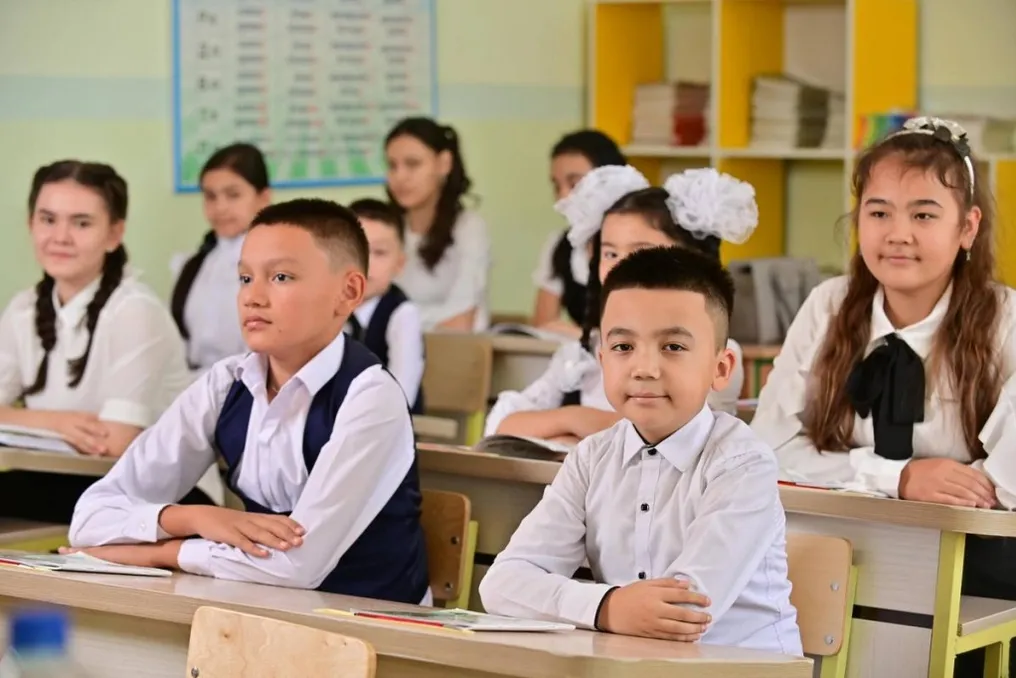
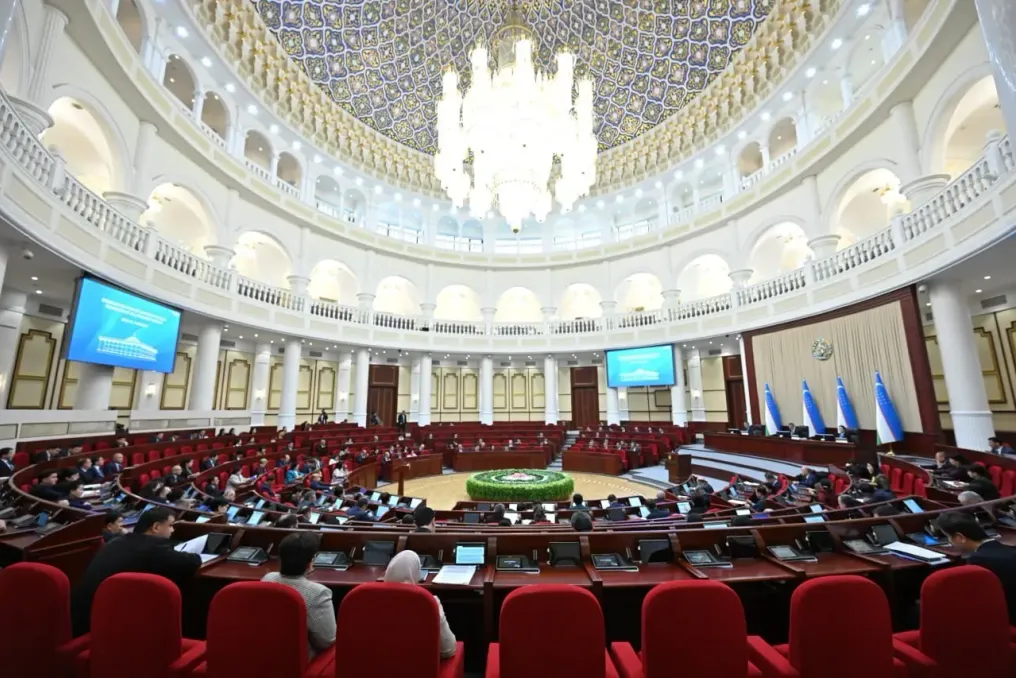
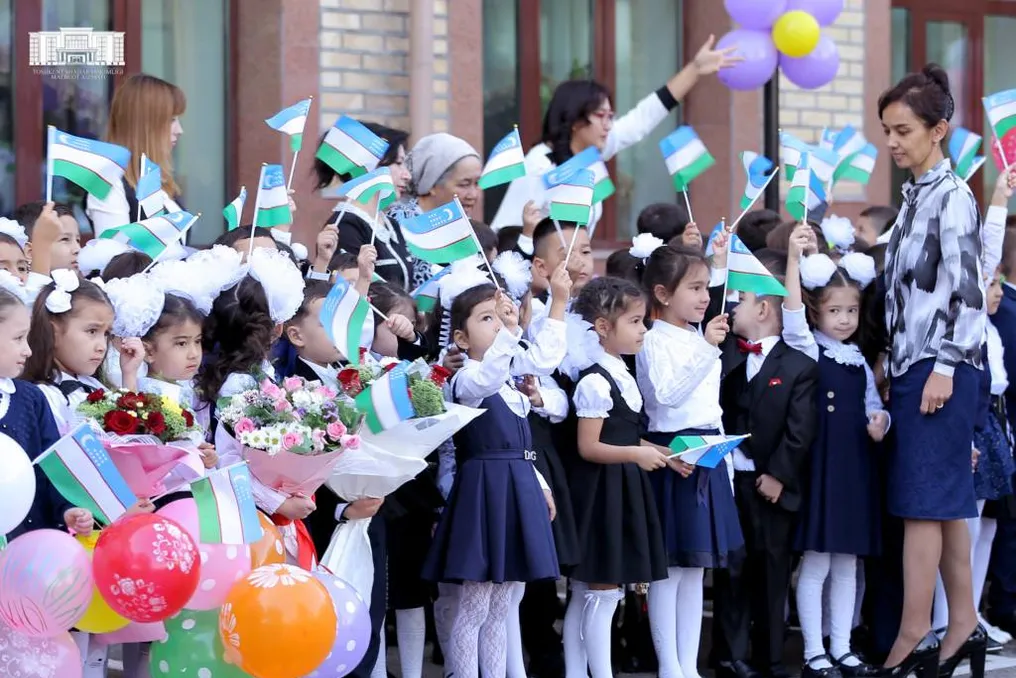
Uzbekistan plans to integrate one year of mandatory preparation for six-year-old children into the general secondary education system, leading to a transition to a 12-year learning model. The legislative chamber of the Oliy Majlis reviewed and approved the relevant bill in its first reading on November 17.
This document provides for the unification of preschool and school education, ensuring continuity of the educational process and establishing a total education duration of 12 years. It is important to note that this does not involve creating an additional 12th grade, but rather incorporating the existing one-year preparatory stage for six-year-olds into the structure of general secondary education, after which children will continue their studies from the first to the eleventh grade.
Goals and Objectives of the Reform
Mehri nisso Pardayeva, Deputy Minister of Education and Science, stated that previous efforts were focused on increasing population coverage, and now it is time to focus on the quality of education. According to her, the new structure is designed to improve children's preparation for primary school, reduce disparities in their initial knowledge and skills, and bring Uzbekistan's education system in line with global standards.
The bill introduces amendments to the laws 'On Education' and 'On Preschool Education and Upbringing.' Mehri nisso Pardayeva reported that the current coverage of six-year-olds preparing for school has reached 98%. According to the President's decree (UP-242) of November 10, 2026, this indicator must increase to 100% by 2027.
According to ministry estimates, in 2027, over 905 thousand children who were born in 2021 will reach the age of six. Existing preparatory groups and facilities can accommodate about 885 thousand children, which is 98% of the total number. To cover the needs of the remaining approximately 20 thousand children, additional places need to be organized, which is planned through the opening of 800 preparatory groups, mainly in Karakalpakstan, Tashkent, and Fergana region. In the other 11 regions, full coverage is ensured, according to the ministry.
The preliminary need for additional funding is estimated at 21.9 billion soms. This amount includes 1.8 billion soms for teacher salaries and 20.1 billion soms for equipping preparatory groups. Salary financing is planned to be carried out from budget funds allocated to the ministry, while equipment issues will be covered by attracting local authorities, including through the use of vacant school premises.
The ministry has also begun revising curricula and preparing and improving teachers' qualifications while developing necessary subordinate acts.
Payment Issues and Legal Status
During the discussion, deputy Saidullo Azimov of UzLIDEP raised the issue of potential inconsistencies between the bill and the Constitution. He recalled that Article 50 of the Constitution guarantees free and compulsory general secondary education. However, since the preparation of six-year-olds may take place not only in state schools but also in private kindergartens, the question arose whether parents should pay for the one-year preparation in non-state institutions.
Saidullo Azimov emphasized that if this is compulsory education, it must be free, and he demanded clarification regarding payment in private kindergartens. A ministry representative assured that the basic compulsory preparation would be completely free, although parents retain the right to use paid educational services.
The deputy also pointed out a contradiction in the bill regarding the legal status of the new stage: current legislation views preparation as a child's right, whereas the new model makes it mandatory. A representative of the ministry's legal service explained that the right to education belongs to the child, and the obligation to provide it lies with the parents.
Despite the explanations, Saidullo Azimov disagreed with this interpretation and proposed revising the wording for the second reading, insisting on a clear definition of the legal status of the preparatory year.
Infrastructure Problems and Birth Rate Growth
Saidullo Azimov also highlighted the readiness of school infrastructure for expanding mandatory preparation. He noted that some schools already lack premises, and some classes have more than 40 students. In his opinion, opening new preparatory groups under these conditions could increase the burden on educational institutions, as the infrastructure is not ready to ensure an optimal number of students per class, as in some private schools.
The deputy also pointed to the trend of rising birth rates: around 905 thousand children were born in 2021, 932 thousand in 2022, and 961 thousand in 2023. This implies an increasing need for places for six-year-olds in the future. Azimov requested a more detailed financial and economic justification for the reform from the ministry, especially considering that the explanatory note mentioned no additional costs, while the meeting presented cost estimates of nearly 22 billion soms.
Preparation Places and International Recognition
Ministry representatives clarified that the one-year preparation can take place in three types of institutions: preschool educational organizations, general education schools, and other social sphere facilities. If a child already attends kindergarten, they do not need to transfer to school; the education will continue in the kindergarten's preparatory group. For children who do not attend preschool institutions, groups will be organized in schools with suitable premises or at other social sphere facilities, with the organization and control remaining under the education system.
Regarding the compliance of the new model with international standards, ministry representative Erkin Murodov stated that the existing stages of education meet international norms, and adding a one-year program should not cause problems with diploma recognition abroad.
Nevertheless, deputy Nodir Jumaev noted that some foreign universities require graduates of Uzbek schools to complete a Foundation preparatory program because admission to several countries requires 12 years of prior education. He believes that transitioning to a 12-year system will help bring the duration of study closer to international requirements.