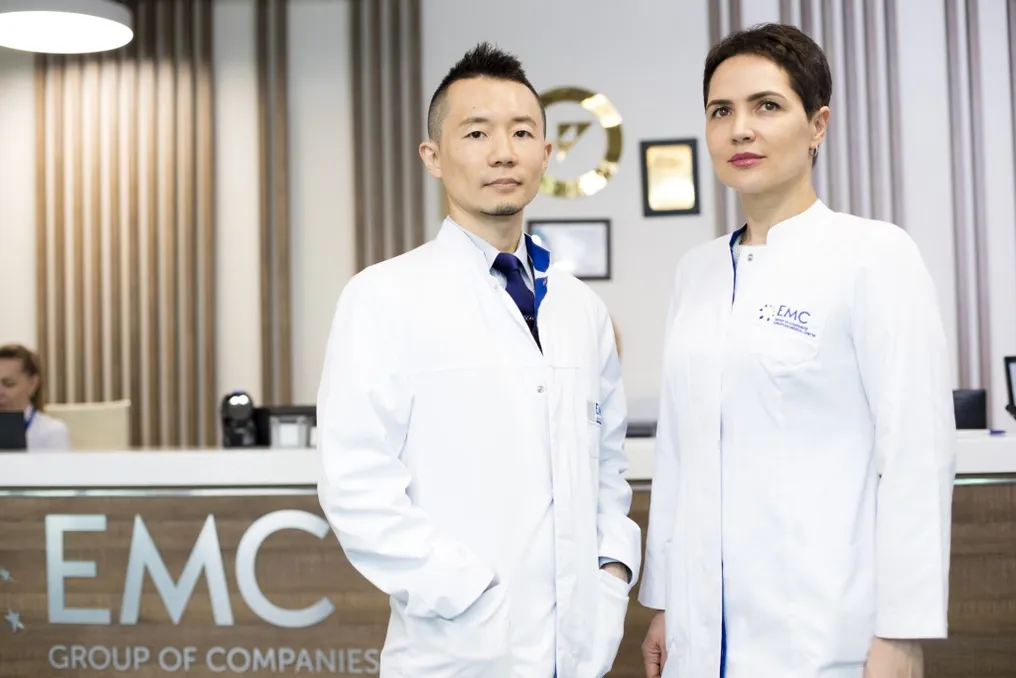
Amidst the rapid modernization of Uzbekistan, there is a growing demand for high-tech medical care and adherence to international safety standards. Many residents of Uzbekistan are now choosing Moscow for expert medical solutions, instead of traditional destinations like Turkey or India. The European Medical Center (EMC) is leading this trend—a multidisciplinary hospital with a thirty-six-year history, certified by the 'gold standard' of quality, JCI (Joint Commission International).
For patients from Tashkent, Samarkand, and other regions of the republic, Moscow represents not only a geographically close center but also access to modern diagnostic and treatment methods, as well as the absence of language and cultural barriers. EMC CEO Andrey Yanovsky emphasizes that the center's mission is to create a seamless patient journey, utilizing a digital ecosystem to transcend national borders. The process for a patient from Uzbekistan begins not with buying tickets, but with an online consultation, allowing them to receive an expert 'Second Opinion' within 24–48 hours.
The most sought-after services at EMC for citizens of Uzbekistan include complex fields such as oncology, cardiology, and neurosurgery. The center is equipped with advanced technology for modern diagnostic and therapeutic procedures. Among these is the Da Vinci Xi robot-assisted surgery, used in urology and gynecology, which allows patients to recover as early as the next day.
Radio-surgery and Varian Edge radiation therapy technologies are also employed, ensuring tumor destruction with submillimeter precision without damaging healthy tissues. Diagnostics are performed using nuclear medicine (PET/CT) to detect and assess the spread of diseases, including oncological ones, as well as to monitor treatment effectiveness.
EMC emphasizes a multidisciplinary approach: every complex case is reviewed by a consortium that includes specialists from various countries, including surgeons, radiologists, chemotherapists, and pathologists from France, the USA, and Israel. This comprehensive approach helps formulate an individualized treatment plan for the patient.
A popular service for the region is remote diagnosis auditing. Patients can send examination results, such as MRI/CT scans or histological slides, to EMC specialists for expert review. This allows for either confirming the initial diagnosis or correcting it, and sometimes finding a organ-preserving treatment option instead of radical surgery.
Medical tourism at EMC includes not only treatment but also full support for the patient and their family throughout the entire trip. The specialized EMC Assistance division handles all organizational matters for patients from Uzbekistan. This includes arranging medical invitations and visa support, airport pickup, and VIP class transfer.
Furthermore, accommodation in a five-star hotel setting is provided, taking into account religious and dietary needs, including the availability of Halal menus. Patients have access to a personal multilingual coordinator who provides round-the-clock support.
From an economic perspective, the cost of high-tech treatment in Moscow is lower than in Western European clinics, while the level of technical equipment at EMC often surpasses many European institutions. Andrey Yanovsky notes the center's transition from a disease treatment model to a longevity management concept, striving to provide the patient not just recovery, but many years of active life.
Thus, for the residents of Uzbekistan, the European Medical Center serves as a reliable partner, combining the highest medical achievements, lack of barriers, and attentive care.