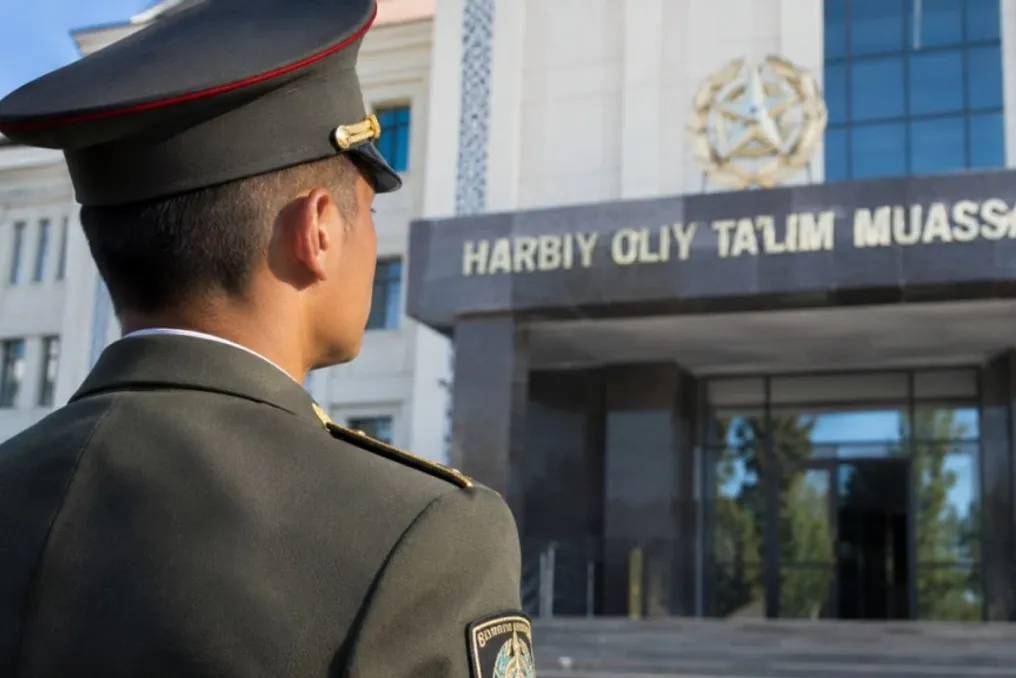
Proposal introduced in Uzbekistan for mandatory reimbursement of training costs by military university graduates
Read more
Podrobno.uz [uz]
podrobno.uz

Proposal introduced in Uzbekistan for mandatory reimbursement of training costs by military university graduates

Uzbekistan is considering the possibility of introducing a requirement for certain graduates of military educational institutions to reimburse the state for budget-funded training costs. This obligation may arise if graduates refuse military service after completing their studies or fail to comply with the terms of their contract.

This measure is enshrined in a draft resolution developed by the Ministry of Defense of the Republic of Uzbekistan and submitted for public discussion. According to this document, applicants and their legal representatives must be notified in writing about the potential need to reimburse state costs for cadet training even before enrollment, and they will be required to sign a corresponding receipt.

There are several situations in which a graduate will have to compensate for the incurred expenses. These include refusing military service before the term stipulated in the contract expires, or failing to fulfill the obligation to serve in an officer position for five calendar years. The reimbursement requirement also applies to graduates who are assigned to other ministries and agencies after graduation.

Additional grounds for collecting funds may include violating the terms of the contract, refusing to sign it, dismissal for negative reasons, or conviction for committing a crime. Public discussion of this draft is scheduled until November 27.

In the context of developing Uzbekistan's defense sector, it was previously reported that a department of artificial intelligence and a cybersecurity laboratory were being established in the army. The creation of these new units is driven by the characteristics of modern armed conflicts, where autonomous systems and electronic warfare means play a critical role. The AI Department will be responsible for integrating machine learning technologies into troop management processes, while the cybersecurity laboratory will focus on protecting information systems and preventing external threats. Furthermore, the agency will feature a Main Directorate of Digital Technologies, which will oversee the army's unified digital policy.
Similar stories

Uzbekistan plans to merge school graduation exams with university entrance tests
Read more
podrobno.uz

Uzbekistan plans to merge school graduation exams with university entrance tests

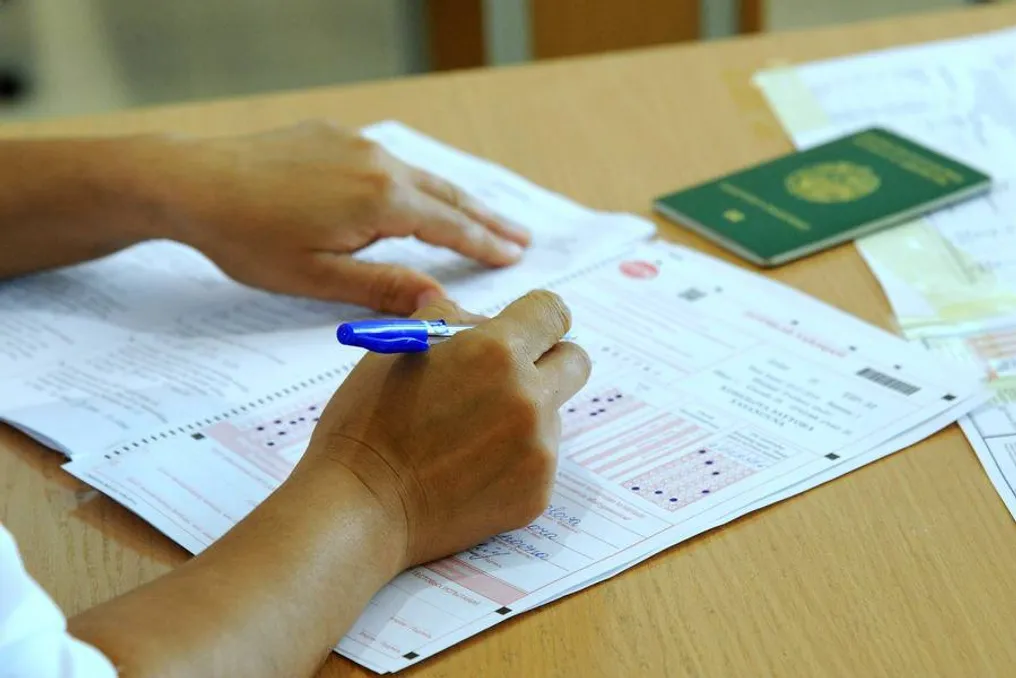
Uzbekistan is preparing to transform the higher education admission system by integrating the results of school graduation exams with entrance examinations. According to the new plan, graduates will be able to use scores obtained in one exam for both obtaining a school completion certificate and for university enrollment.

The Ministry of Education and Science is developing a new methodology for assessing students' knowledge. To account for public opinion, the department has also initiated an anonymous survey among parents, teachers, and students themselves.

Proposal for a unified state exam

The introduction of a standardized state exam for 11th-grade students is planned. The results of this exam will be relevant for admission to both technical colleges and universities. This will eliminate the need for students to undergo two identical stages of knowledge testing—one for completing school and the second for entering university.

Changes will also affect younger grades. Fourth-graders will take diagnostic tests in subjects such as mathematics, reading, and natural sciences; however, these tests will not affect their promotion to the next grade. In the seventh grade, an assessment of logical thinking and professional inclinations will be conducted, and in the ninth grade, a main state exam will be introduced, which will be considered for admission to technical colleges and academic lyceums. Furthermore, the option to continue studying in the tenth grade will be preserved.

Initially, the new system will be tested at the end of the 2027 or 2028 academic year in Tashkent and Navoi region. The trial results will not affect student admission. The rollout of this system nationwide is scheduled for the end of the 2028 or 2029 academic year.

Currently, the process is in the stage of public discussion and development, and the final rules for conducting exams and university admissions have not yet been approved. It should be noted that previously, deputies of the Legislative Chamber of the Oliy Majlis supported Uzbekistan's transition to a 12-year model of school education.

Inmates in Uzbekistan will be allowed to enroll in universities and study remotely starting in 2027/2028
Read more
podrobno.uz

Inmates in Uzbekistan will be allowed to enroll in universities and study remotely starting in 2027/2028

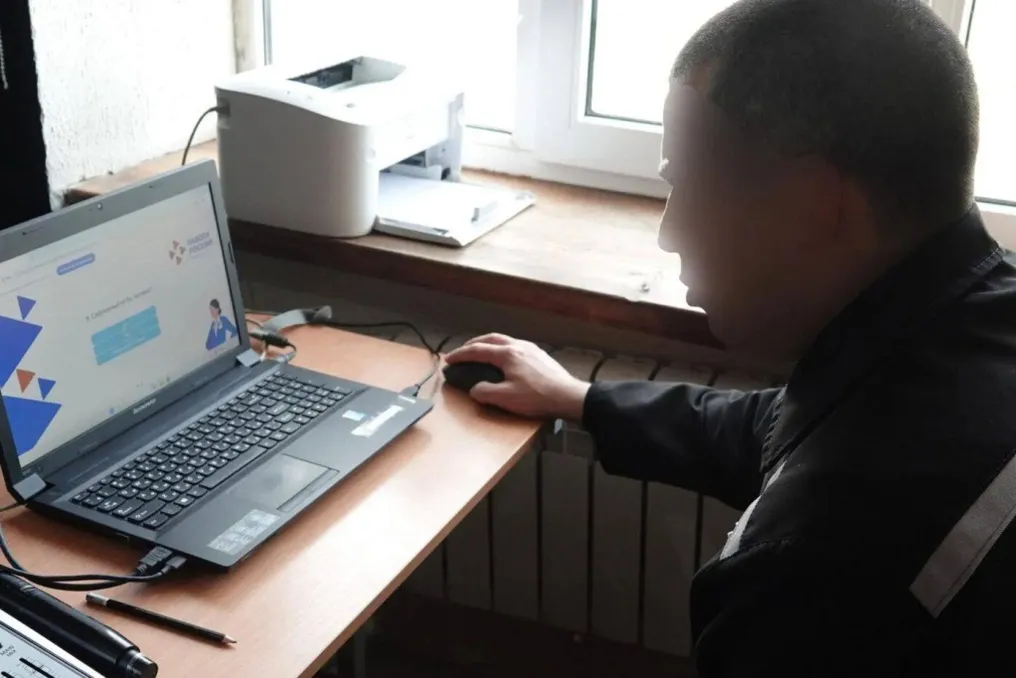
From the new academic year 2027/2028, convicted citizens of Uzbekistan will have the opportunity to enroll in higher education institutions and study in a distance learning format on a paid contract basis.

This decision was enshrined in a corresponding decree signed by the President of Uzbekistan, Shavkat Mirziyoyev. The training process will be implemented within the framework of a program called 'Yangi Hayot' (New Life).

For those who enroll in universities, special rooms equipped with video conferencing equipment will be allocated in correctional facilities. This will ensure the possibility of attending lectures remotely without leaving the confines of the correctional institutions.

Before the start of the 2027/2028 academic year, it is planned to equip 310 classrooms and 420 practical training rooms in institutions where convicts are held. By 2030, training programs in at least fifty specialties in demand in the labor market will be launched.

The authorities expect that through annual professional training for fifteen to twenty thousand convicts, they will manage to reduce the rate of recidivism by 30 percent. Additionally, activists among young inmates will be identified and rewarded every three months with payments equivalent to three basic calculation units.

The remote competition 'Yosh Kitobxon' (Young Reader) will be organized in all colonies, and libraries will gain access to the electronic system 'Mutolaa' (Reading). It should be noted that previously in Uzbekistan, the 'Ikkinchi Imkon' (Second Chance) project operated, which allowed young people in custody to study foreign languages and modern professions.

Popular