National Medical Commission instructed state medical institutions to join the cashless treatment scheme for traffic accident victims
Read more
The times of India
timesofindia.indiatimes.com

National Medical Commission instructed state medical institutions to join the cashless treatment scheme for traffic accident victims

The National Medical Commission (NMC) has required all state medical colleges and associated hospitals across the country to participate in the PM-RAHAT scheme developed by the Center. The goal of this initiative is to ensure cashless treatment for victims of road traffic accidents during the critical 'golden hour.'

The NMC appealed to deans, directors, chief physicians, and medical leaders to give top priority to this issue and take the necessary steps to facilitate their institutions' participation in the program.

Similar stories

World Bank to provide $100 million to Samarkand region for healthcare development
Read more
podrobno.uz

World Bank to provide $100 million to Samarkand region for healthcare development

The World Bank's Executive Directors Council approved the allocation of a concessional loan on November 17th for the modernization of the healthcare system in the Samarkand region. This program includes updating polyclinics, training medical personnel, and integrating digital solutions.

The total loan amount is $100 million. These funds will be directed towards implementing the SHIFO-1 program, which is planned until December 2028. It should be noted that the total cost of the entire program reaches $525 million, of which the government of Uzbekistan will provide financing amounting to $425 million.

Within this project, the modernization of over 400 family polyclinics is planned. Furthermore, training and certification of more than 6,4 thousand medical workers are provided for, including 1,25 thousand family doctors and 5 thousand nurses. These changes are expected to increase access to medical care for 4.3 million people living in the region.

Significant attention will be paid to digitalization. The national medical platform D-MED will receive an addition in the form of an electronic patient registry and tools for monitoring their condition. This will allow for screening for cardiovascular risks for 330 thousand adults and monitoring the treatment of another 250 thousand patients.

According to World Bank forecasts, improving the quality of medical services, strengthening public health, and training qualified personnel will contribute to the creation of approximately 28.8 thousand new jobs with higher pay levels.

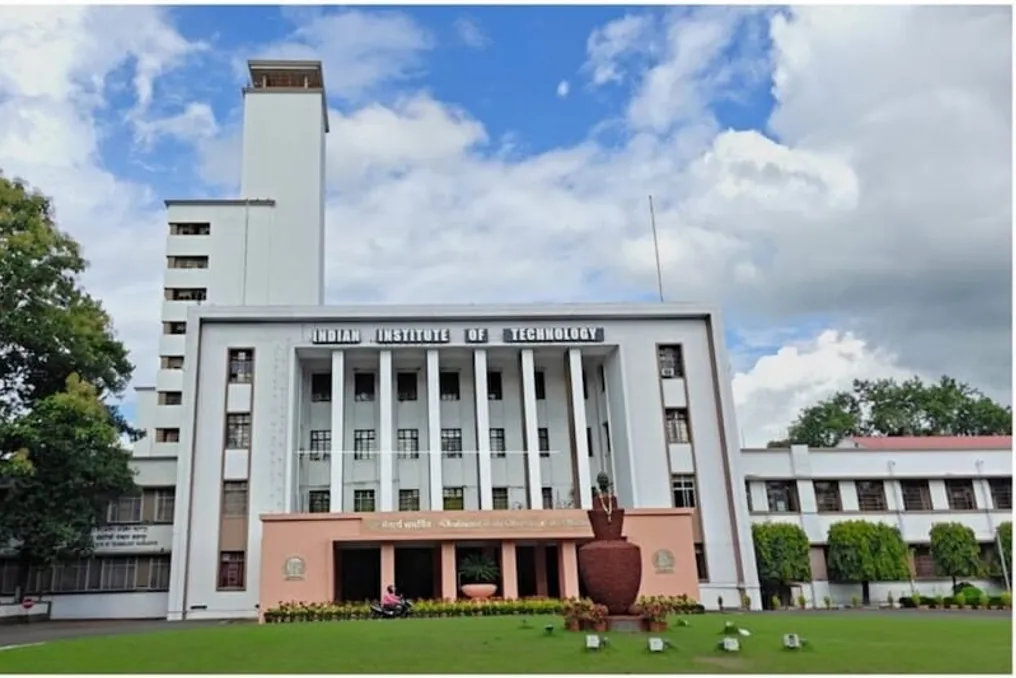
IIT Kharagpur begins medical education for doctors after engineering, admission via NEET PG
Read more
www.aajtak.in

IIT Kharagpur begins medical education for doctors after engineering, admission via NEET PG

The Indian Institute of Technology (IIT) is traditionally associated with training outstanding engineers and technology innovators. However, this picture is changing: IIT Kharagpur, one of the most prestigious and pioneering institutions in the country, has taken a historic initiative by venturing into medical education.

This institute became the first IIT in the country to receive accreditation from the National Medical Commission (NMC) to launch a postgraduate medical education (MD) program. The institute is fully prepared to accept the first batch of students for the MD program at its 'Dr. B. C. Roy Centre for Multidisciplinary Medical Research' starting from the 2026–27 academic semester. This move marks the beginning of a new era of postgraduate medical education within the IIT system.

The Director of IIT Kharagpur, Suman Chakrabarti, shared his vision for this historic initiative. He noted that the first IIT in the country is making a significant step in shaping the future of medical education. He emphasized that the institute's goal is not limited to training specialists but is focused on creating an ecosystem where engineering talent combines with clinical excellence, artificial intelligence (AI), and translational research.

Chakrabarti added that they aim for their graduates to become not only excellent doctors but also innovators capable of finding solutions to humanity's most serious healthcare problems. The first intake of 2026–27 will pioneer this new path.

For this first postgraduate medical cohort in IIT history, the institute has launched MD programs across six different disciplines. Each discipline has two available seats, totaling a limit of 12 spots. These disciplines include: General Medicine, Radiology, Physiology, Pathology, Community Medicine, and Biochemistry.

Those aspiring to pursue medical education at the country's first IIT must undergo the NEET-PG online counseling procedure. According to official information, these programs will be available for selection during the second round (Round 2) of counseling for the 2026–27 academic semester. Candidate selection will be based on the official counseling schedule, eligibility criteria, and the established seat matrix. Students selected in this cohort will have the honor of becoming the first generation of postgraduate medical students in the history of the Indian IIT system.

Popular