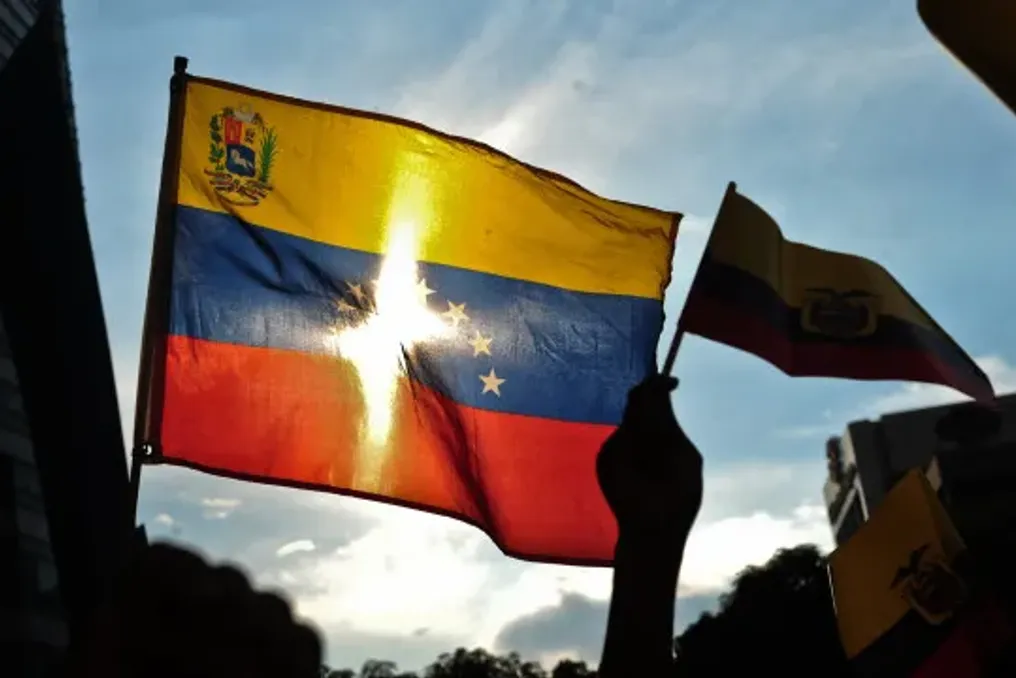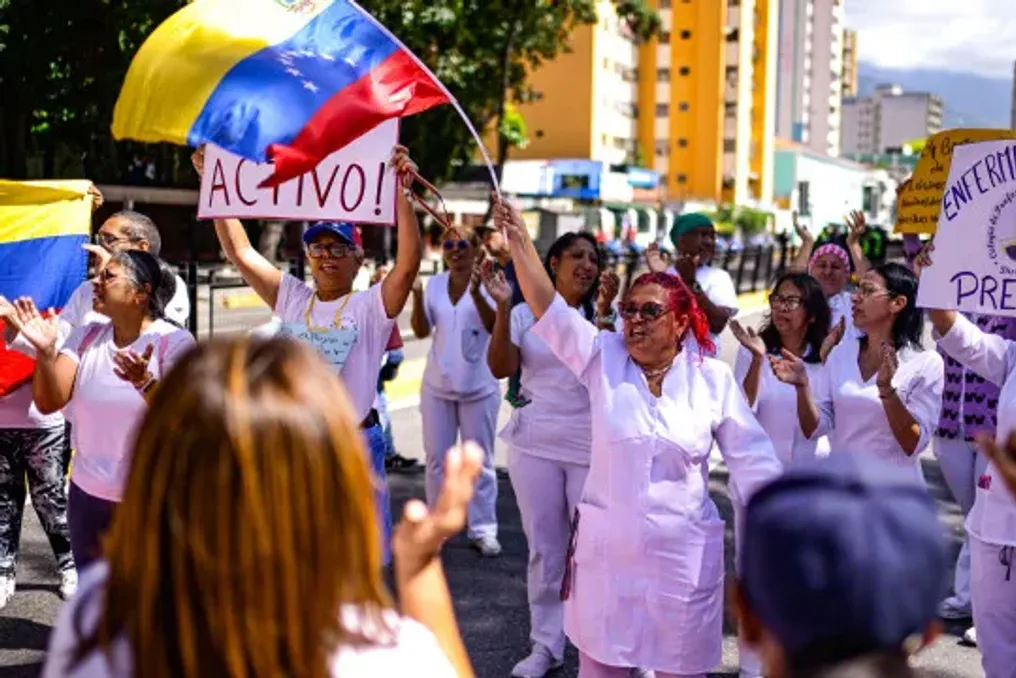
Employees in the health, education, and university sectors in Venezuela participated in a twelve-hour partial strike, the first since Delcy Rodríguez assumed the role of interim president of the country. The main objective of the workers was to pressure for salary increases and the receipt of an adequate Christmas bonus.
According to data compiled by local unions and labor associations, the stoppage achieved an average national participation rate of 80%. Participation was even higher in public universities, reaching 90%, while in hospitals, adherence varied between 60% and 80%, at which point only essential emergency services were maintained.
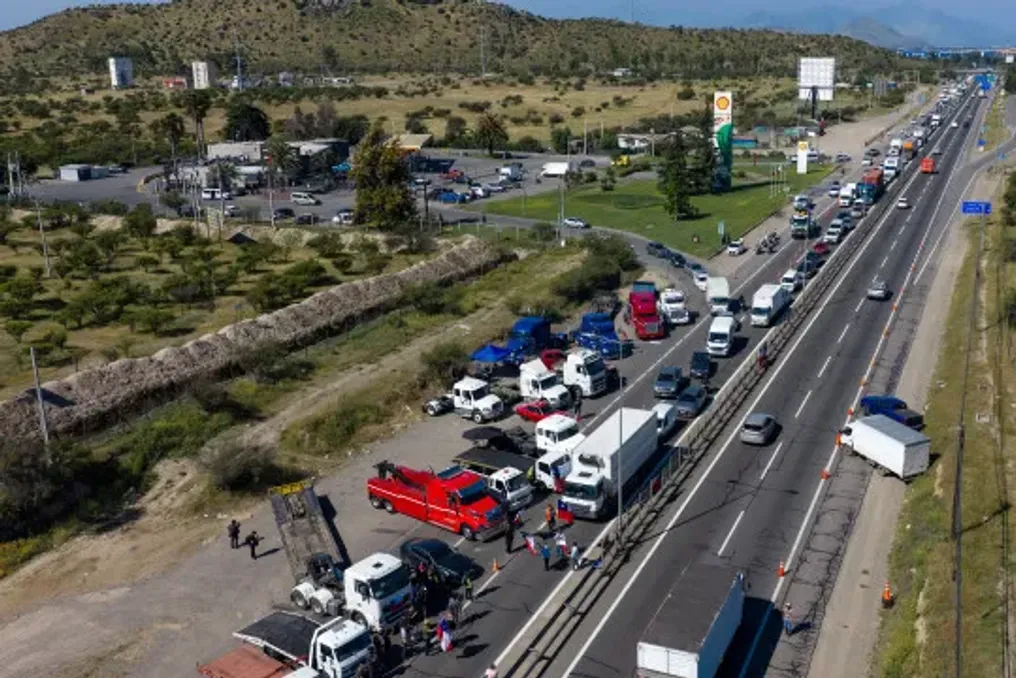
In Caracas, protesters, including retirees and pensioners, blocked important traffic routes, such as the Francisco Fajardo highway near the Central University of Venezuela (UCV), and the road connecting the capital to the neighboring coastal state of La Guaira, in the city of Catia.
Mauro Zambrano, a union leader in the hospital sector, told journalists that the workers were on the streets and that the strike would continue because they would not accept a symbolic subsidy. He warned that otherwise, highway blockades would become daily.
In the Venezuelan capital, peaceful and simultaneous protests occurred in various locations, such as Plaza Venezuela, San Martin, Catia, Plaza O'Leary, Caricuao, Altagracia, and Antímano. During these events, posters displayed phrases such as 'infamous salaries,' 'salary increase now,' and 'we demand decent wages.' The private television channel Venevisión broadcast images of these protests, which were also reported by the local press in other states, including Aragua, Anzoátegui, Apure, Barinas, Carabobo, Zulia, Bolívar, and Lara.
The local press reported that more than 120 union and professional organizations supported these actions. Protesters contest the fact that the minimum wage and basic pension have been frozen since March 2022 at 130 monthly bolívares, which is equivalent to approximately 12 cents of the euro at the current official exchange rate. This amount contrasts significantly with the monthly income of 240 dollars (218.22 euros) obtained in the private sector.
Furthermore, they reject the fractional payment of 150 dollars (136.40 euros) regarding the Christmas bonus, demanding the full amount of 960 dollars (873 euros), as stipulated in collective agreements.
Deyanira Romero, representative of the University Workers' Union, told journalists that this stoppage is just the beginning and that they will not give up the streets, potentially escalating into a general strike. She warned the government to consider the workers if it wishes to prevent such a strike.
Teachers claim that the sector is in a 'humanitarian emergency' and appeal to interim president Delcy Rodríguez, arguing that the country has sufficient financial resources to offer decent salaries and bonuses to workers. Among the retirees, criticisms focused on the devaluation of the purchasing power of pensions and state subsidies. They reported receiving a benefit of 1,600 bolívares, which corresponds to 2.5 dollars (2.27 euros), an amount considered insufficient even to buy a kilo of bones, and they demand complete security, adequate pensions and housing, in addition to food and medicine assistance.
This movement represents the first strike since January 2026, when Delcy Rodríguez assumed the interim presidency of Venezuela, following a US military intervention that resulted in the detention of then-president Nicolás Maduro by the United States.