In a village near the Sambhar salt lake in Rajasthan, a farming family demonstrated incredible resilience and perseverance. Where previously they had to order five cisterns monthly for drinking water, the family managed to find a source of fresh water by digging a well on their field.
The residents of the small village, located near the world-famous Sambhar salt lake, depended on cisterns for every drop of fresh water. However, thanks to the strong faith and diligent work of one farming family, they achieved the impossible. Ganesh Kumawat and his family, residing in Pipla Ki Dani (Nagroupa) within the Grampanihata Barauti, not only discovered a source of fresh water on their land but also planted 300 white sandalwood trees on an area of about two bighas, laying the foundation for a unique legacy for future generations and a green innovation project.
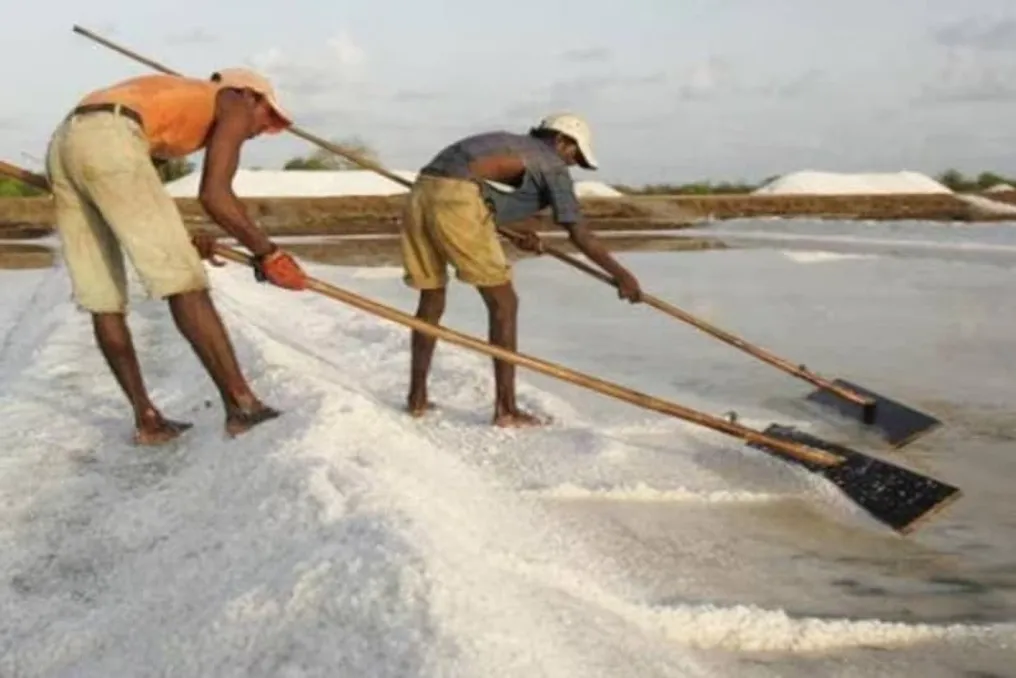
Sambhar Lake contributes about 7.5 percent to global salt production; however, due to groundwater salinization in surrounding areas, rural residents face serious difficulties in obtaining drinking water. Ganesh Kumawat's family also had to order at least five cisterns of water monthly from a location 10 kilometers away. During the coronavirus pandemic quarantine, when daily life slowed down, the father, Bhagirat Kumawat, and mother encouraged all four sons to dig a well on the field. Since the land was salty, the sons doubted that their labor and money would be wasted. Nevertheless, the parents' words—'Try it, who knows, maybe God placed fresh water in our land'—gave them the strength to move forward.
When all four brothers finished digging the well and water started flowing, the entire family was overjoyed because the water in the well was completely fresh. This single step permanently freed the family from dependence on drinking water cisterns. Ganesh Kumawat decided not to limit himself to traditional agriculture but to turn this achievement into a lasting legacy for coming generations. He ordered high-quality white sandalwood saplings from a nursery in Mandan, Tosham village, Bhiwani district, Haryana state, and planted them on approximately two bighas of his field. After about two years of hard work and future planning, there are now about 300 white sandalwood trees growing in this sandalwood grove. Thanks to a modern irrigation system (drip irrigation) and constant care, these plants are growing actively.
According to this incident, Ganesh Kumawat stated: 'For us, this well is not just a source of water made of brick and stone, but a symbol of our parents' unwavering faith. Although the water problem in our village is not yet fully solved, we hope that our small attempt will inspire other farmers. When these sandalwood saplings grow into mighty trees, our future generations will know that their beginning was laid with the blessing of their parents and positive aspiration.'