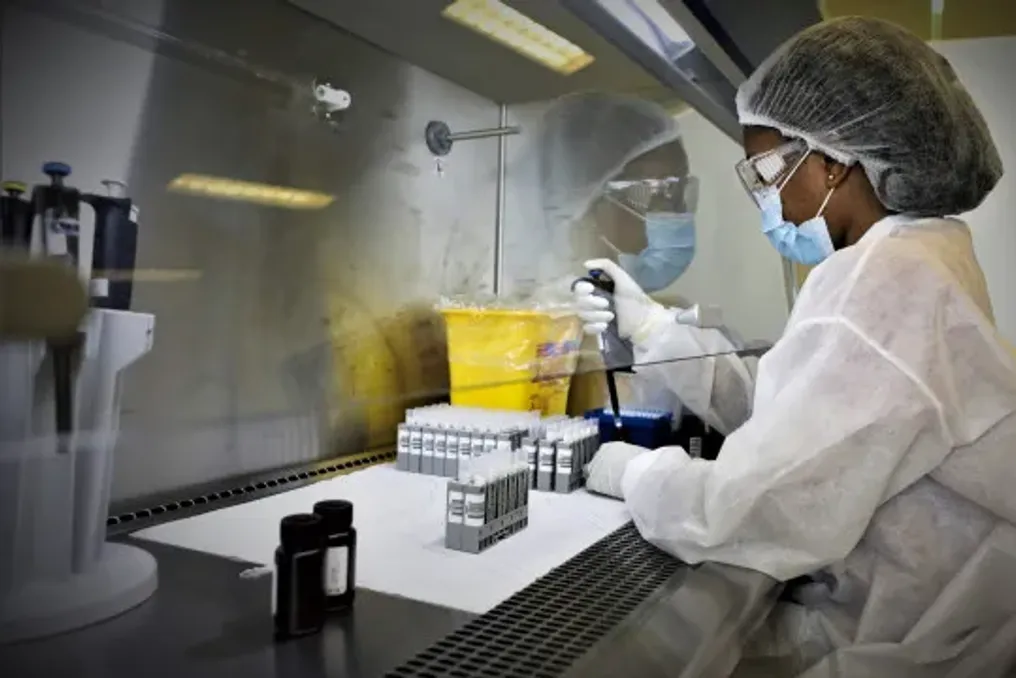
The Mozambican National Institute of Health (INS) has been able to detect the circulation of influenza virus and typhoid bacteria before an increase in cases occurs by using wastewater analysis. This method allows for the identification of potential disease outbreaks two weeks before they begin to be observed in hospitals, and the institute plans to expand monitoring to other diseases.
The Director of INS, Eduardo Samo Gudo, presented this information during the opening of the institute's renovated facilities in Maputo. He emphasized that this work is critically important for timely response to outbreaks and interrupting chains of infection.
Currently, the system tracks the spread of influenza viruses and the bacteria causing typhoid fever, and it is preparing to include polio and other diseases in the monitoring. The expansion is being carried out gradually, as each new pathogen requires pilot testing and verification of detection methods.
Daily wastewater samples are collected at Wastewater Treatment Plants (ETAR) and in collectors along the Maputo Bay. The Director acknowledged that applying this model faces difficulties in areas without centralized sanitation systems, where latrines predominate, requiring additional procedures for sample collection. However, in urban areas, collectors allow for the monitoring of large populations from a relatively small number of collection points.
Samo Gudo also noted INS's contribution to changing international recommendations for polio vaccination. The institute conducted research showing that during an outbreak and limited global vaccine supply, administering one-fifth of the standard dose maintains sufficient effectiveness. These results prompted the World Health Organization (WHO) to revise recommendations for such scenarios.
Regarding tuberculosis, the director reported that INS research has led to the development of methods that simplify and accelerate the diagnosis of the disease. These findings have been adopted by the Ministry of Health and integrated into WHO guidelines, helping to guide public health strategies both within and outside Mozambique.
INS has delegations in the provinces of Maputo, Sofala, Zambezia, Nampula, Cabo Delgado, and Tete, as well as public health laboratories in all provinces of the country. These units conduct high-complexity tests, engage in epidemiological surveillance, scientific research, and analysis related to outbreaks and epidemics, while the delegations provide administrative, financial functions, and human resource management.
During the same ceremony, Minister of Health Ussene Isse spoke in support of strengthening scientific research as the basis for developing state policy and responding to the country's health challenges, including those related to extreme weather events and changes in the epidemiological profile. He added that the renovation of the INS delegation strengthens national capacity in research and surveillance. The Minister stated: 'Research questions must stem from the real problems of our population.'
The facility renovation was funded by the Global Fund and the United Nations Development Programme (UNDP) with an amount of two million dollars (1.8 million euros).