New hybrid lemon varieties grown in Uzbekistan have attracted the attention of companies from Italy and Japan. These unique citrus fruits present special opportunities for the market.
Similar stories
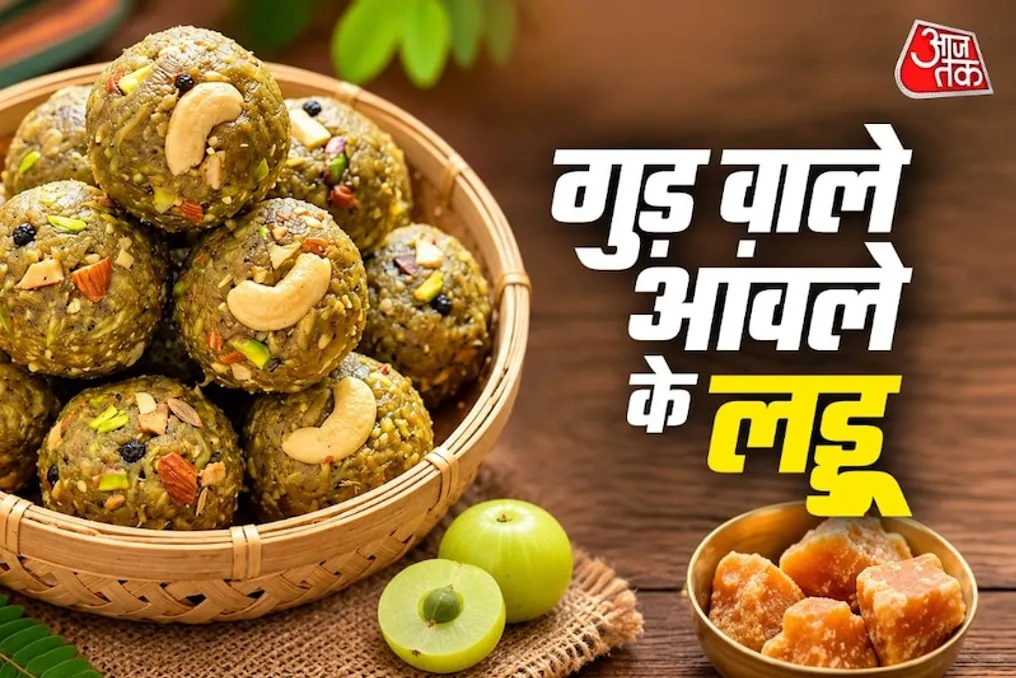
Amla Laddu Recipe: A Healthy and Delicious Winter Dessert
Fresh amla is easily found in markets during the winter period. Amla is considered very healthy for the body. People usually consume it raw, prepare pickled snacks (achar), or jam (murabba) from it. However, if you want to make something more original and tasty from amla, try making laddu.
It is extremely important to take care of your health during the cold season. Many fresh fruits and vegetables, including amla, are available in the market during this season. Amla contains various nutrients, including Vitamin C, so including it in the diet is considered beneficial. Typically, people drink amla juice or eat it as pickles and jam. But have you tried amla laddu?
These laddus are not only delicious but also simple to prepare. They are made using cane sugar (gur), natural ghee (desi ghee), and dried fruits. You can prepare them once and store them, consuming them as desired. Next, we will tell you how to make amla laddu at home and what ingredients you will need.
First, wash the amla thoroughly. Then dry and grate it. After that, prepare a syrup from cane sugar on low heat in a saucepan. When the syrup starts to thicken slightly, add the grated amla. Continue stirring constantly so that the amla and sugar mix well.
When the mixture becomes thick, add cardamom powder (elaichi), dried ginger (sonth), coconut flakes, and any chopped dried fruits to taste. Then add natural ghee (desi ghee) and mix all the components thoroughly. When the mixture cools down a bit, shape small balls from it by hand to get the laddus. After complete cooling, they should be stored in a clean and airtight container.
You can eat them in the morning for breakfast or at any other time of the day. The slight sourness of amla, the sweetness of cane sugar, and the taste of dried fruits make these laddus special. If you crave something sweet in winter, these laddus can be the best choice for you.
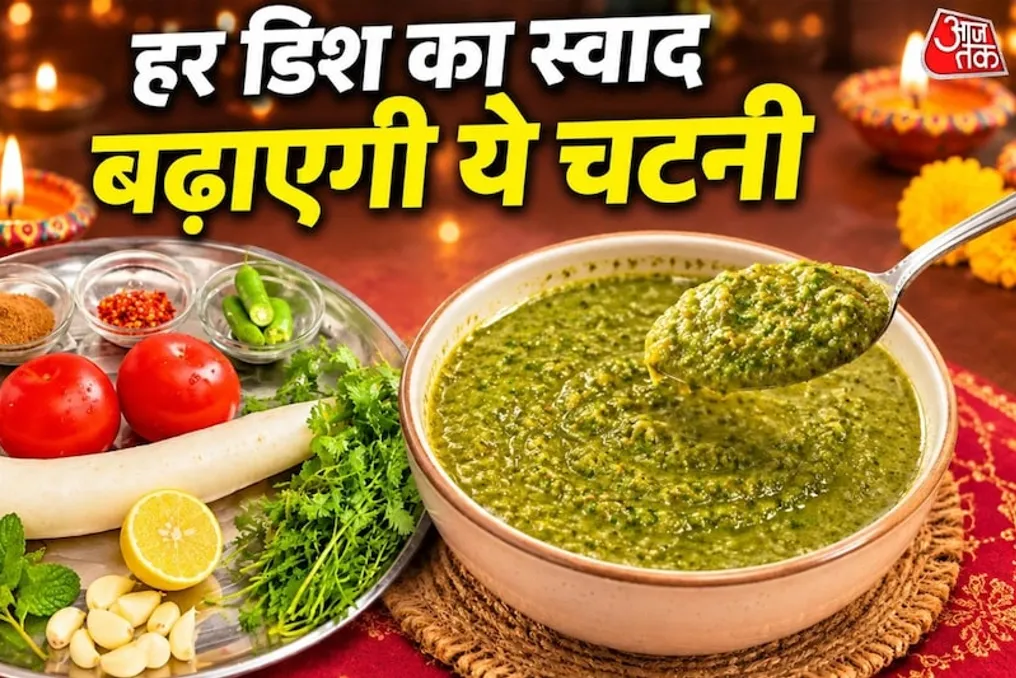
Recipe for Spicy and Zesty Turnip Chutney to Serve with Puri and Paratha During Holidays
During festive days when various hearty dishes such as puri, paratha, and sweets are prepared, having a spicy and zesty sauce significantly enhances the enjoyment of the meal. Although traditionally garlic-mint and coriander chutneys are made, this time it is recommended to try making a zesty turnip chutney. Turnips are beneficial for digestion, and their spicy and zesty flavor pairs excellently with hot puris, parathas, or dishes made from dal and rice.
Below is the simplest instruction for preparing this chutney, along with secret tips.
For preparation, you will need: 2 medium turnips (grated), one bunch of mint (optional, for color and flavor), 3-4 green chili peppers (or to taste), 6-8 cloves of garlic (optional, to enhance flavor), 1-2 tablespoons of lemon juice (for tanginess) or a little amchur powder, 1 teaspoon of roasted cumin seeds, half a cup of finely chopped cilantro, salt to taste (black or regular). For preparing the tadka (tempering), you will need a little mustard oil, fenugreek seeds, and asafoetida.
To improve the taste and prevent wateriness, it is necessary to squeeze the juice from the grated turnip. First, sprinkle the grated turnip with a small amount of salt and leave it for 5 minutes, then thoroughly squeeze out all the bitter juice. Furthermore, when grinding the turnip in a blender, it should not be made into an overly fine paste; slight roughness will preserve its true flavor.
First, prepare the turnip: peel and grate it. Salt it, leave it for five minutes, and then completely squeeze out the excess moisture with both hands. Next, place the squeezed turnip, green chili peppers, garlic, mint leaves, cilantro, roasted cumin, lemon juice, and salt into the blender jar. Blend in pulses without adding water to achieve a slightly uneven consistency (it is important not to turn it into a puree).
Optionally, you can prepare the tadka: heat a little mustard oil in a small pan, add fenugreek seeds and asafoetida, and then pour this mixture over the finished chutney, mixing well.
The ready, easily digestible, spicy, and zesty turnip chutney is ready. It should be served during holidays with hot puris, parathas, or appetizers.
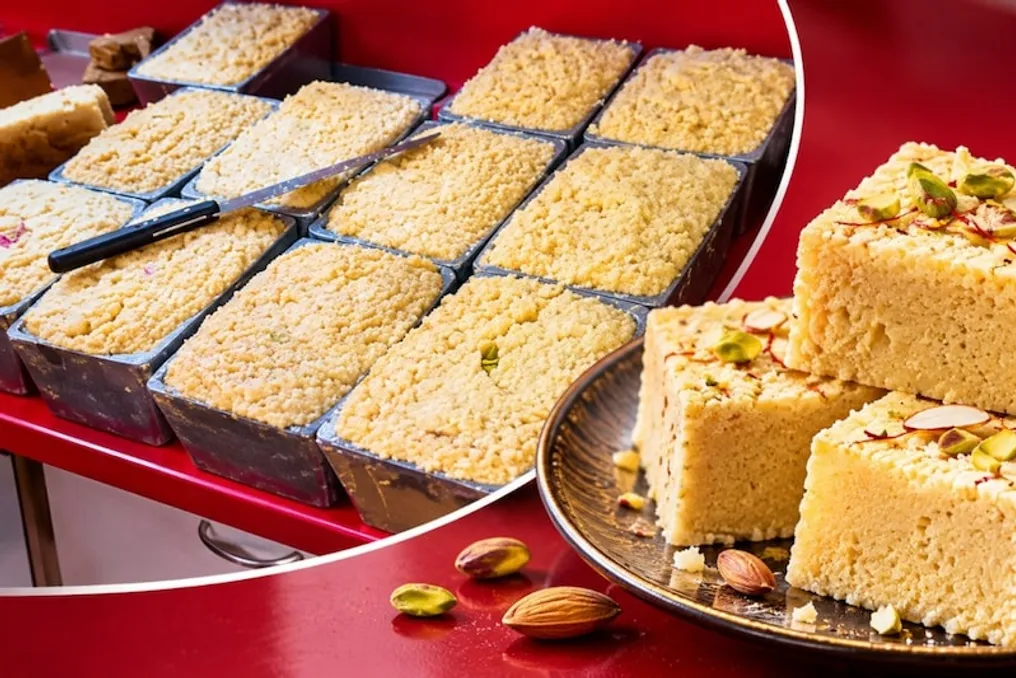
Alwar's honey cake is in demand abroad due to its unique taste
During the Diwali festival, people greatly enjoy the milk cake from Alwar. Its grainy texture distinguishes it from other sweets. The milk cake, which is made from milk, sugar, and saffron, is supplied not only within the country but also abroad, including Europe, America, Saudi Arabia, Canada, Nepal, Bhutan, and other countries. Furthermore, there is a growing demand for dried fruit sweets, as consumers prefer them to dairy products to avoid impurities in milk and whey.
Although the demand for all types of sweets is always high during festivals, the Lakkand from Alwar is considered particularly special. This Lakkand is exported not only across different states of the country but also internationally. It has a light brown outer shell, while the inside is tender and sweet.
Lakkand merchant Ashish Taneja shared the recipe for this dessert, which can be made at home. It requires 2 liters of milk, two hundred fifty grams of sugar, three to four tablespoons of ghee, lemon juice, and cardamom powder, as well as dried fruits. He explained that to prepare the Lakkand, the milk must first be brought to a boil. The milk is continuously boiled in an iron or steel pot. Then, it is curdled by adding lemon juice or khatkiri to form light granules. After this, sugar is added, and the mixture is cooked for a long time until it thickens. When the mass becomes sufficiently thick, it is placed in a setting mold.
Today, hundreds of vendors in Alwar prepare milk cake. This sweet was first introduced in 1947. Baba Takurdas, who arrived in Alwar after migrating from Pakistan, once heated milk. During the process, it curdled, and he added sugar to it, after which he prepared and allowed it to set in a container. When he tasted it after cooling, the flavor was significantly improved. Over time, this sweet was named Lakkand. Politicians, actors, and businessmen visiting Alwar come here to taste and highly appreciate the milk cake. Today, the third generation of Baba Takurdas is involved in making this milk cake.