There is a growing shift in how people interact with culture, brands, and entertainment. Today, the value of an experience extends beyond the event itself; it lies in the atmosphere, the level of hospitality, the people encountered, the brands discovered, and the moments that create a lasting connection. In the global landscape of marketing and entertainment, experiences are becoming a key element for attracting audiences, building relationships, and creating commercial value for businesses.
In South Africa, this phenomenon represents an interesting opportunity for the experience economy. Events are transforming from simple entertainment moments into platforms that unite traditionally independent industries such as tourism, fashion, music, food production, media, creative production, and branding. Behind every successfully executed experience lies an entire ecosystem, including partners, suppliers, creative workers, and commercial participants who contribute to something much larger than the event itself.
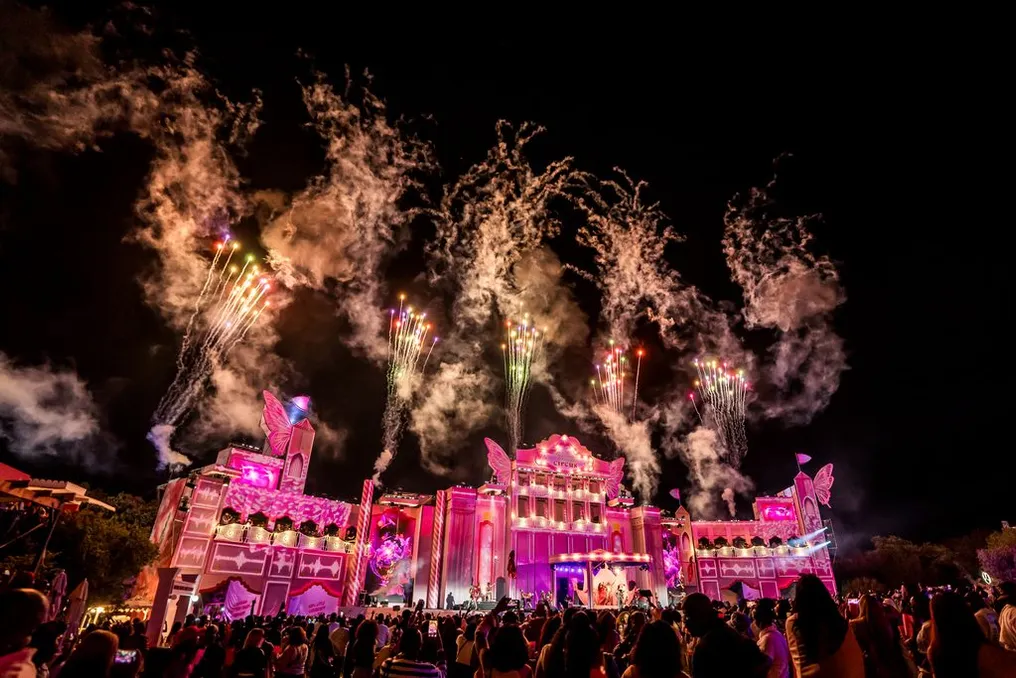
The Luxurious Marble Circus festival demonstrates what this fusion can look like. Initially conceived as the creation of a unique South African spectacle, the festival has evolved over three past editions into a multi-dimensional platform for entertainment and hospitality. The growth of this project is confirmed by an 82% increase in ticket sales between 2024 and 2026, when attendance grew from 8,011 to 14,555 people.
At the 2026 event, LMC gathered 17 partner brands representing 24 different brands across 26 themed zones. These partnerships created conditions allowing the audience to interact with brands in a deeper way: 89% of surveyed guests were able to name a brand without a hint. Furthermore, 45% of guests who named a brand reported not discovering anything new, yet new partners such as Motherkind, hopnōsis, and Samurai Farai gained recognition among those who discovered something new.
This serves as an indicator of how experience platforms can create opportunities for discovery, brand awareness, and engagement that go beyond traditional advertising.
Commercial activity has also expanded into the festival's hospitality sector. According to the 2026 partner review, Playground guests spent an average of R1,217 per day, more than double the average recorded at any other event in the organizers' portfolio. Drink expenses in various hospitality zones ranged from R970 in Playground in the Field to R2,592 in The Royal Lounge. Additionally, the festival sold 180 accommodation packages, adding another layer of experience outside the event grounds.
These financial figures provide insight into the expenditures that can arise when entertainment, food, drinks, and hospitality are combined in one place.
There is also a cultural dimension and heritage that must be considered. The involvement of Samurai Farai as the first LMC Culture Curator, alongside Emporium and live art on the main stage, indicates an intention to expand the space for creative self-expression within the festival. Heritage initiatives attracted R1.036 million, funds which came from six partner brands and 12 suppliers. These funds support projects such as the National School of Arts, fashion internships through the Vega initiative, and the organization of Food & Trees for Africa.
Overall, all these achievements point to something more than just festival growth; they represent a practical example of how an experience platform can connect audiences, brands, and business. Next year's dates have already been announced: September 18 and 19. Visitors can learn more about The Luxurious Marble Circus.