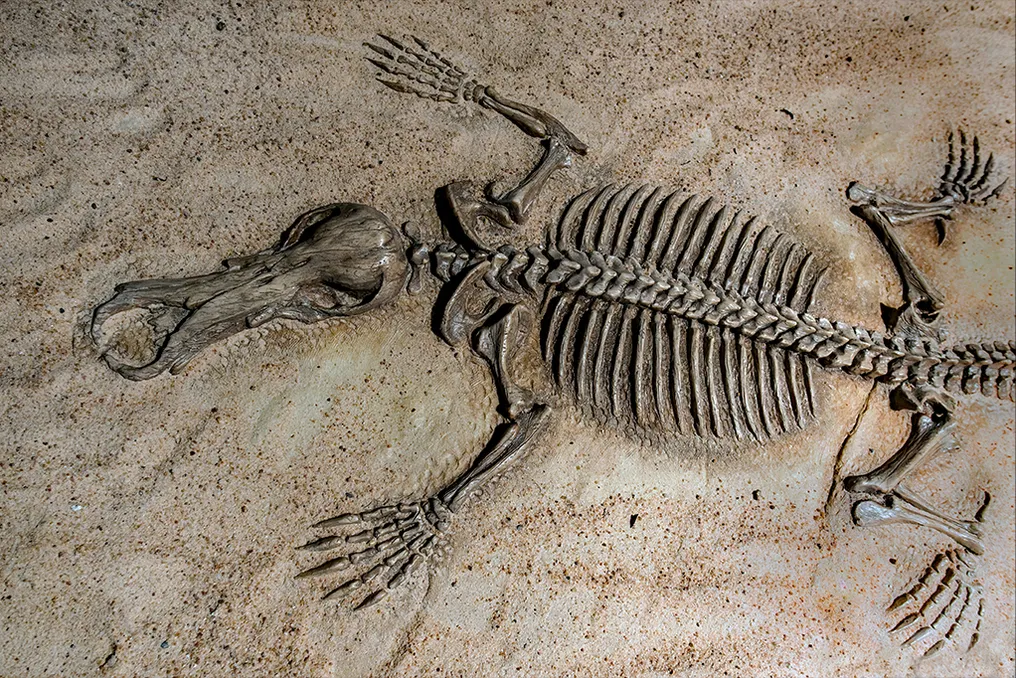
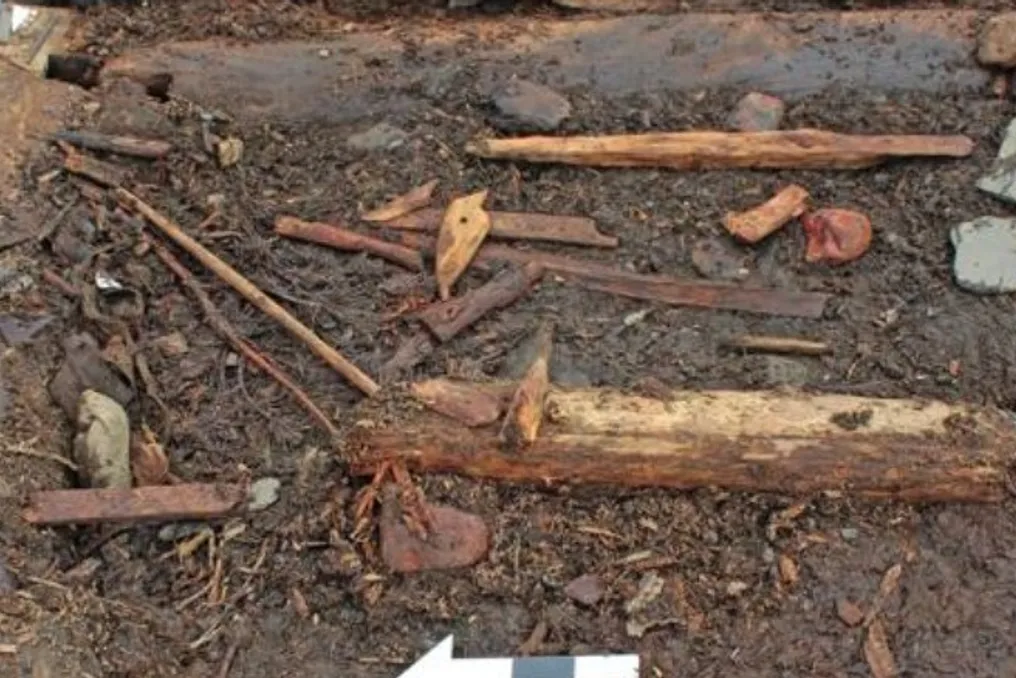
Archaeologists discover evidence of large-scale ochre production by ancient Australians
Read more
N+1
nplus1.ru

Archaeologists discover evidence of large-scale ochre production by ancient Australians

Researchers have discovered an extensive accumulation of processed ochre at one of the earliest human sites in Australia—the Majedbebe monument. Archaeologists have detailed the find resulting from excavations conducted more than ten years ago.

During these works, about six thousand fragments of paint were collected, weighing over 46 kilograms in total. According to the authors of the article published in Humanities and Social Sciences Communications, a significant portion of this material formed in the cultural layer approximately 65 thousand years ago.

Similar stories

Fossilized elephant jaw fragment found in Raisen, linked by scientists to the Ice Age
Read more
www.aajtak.in

Fossilized elephant jaw fragment found in Raisen, linked by scientists to the Ice Age

In the village of Patai, located in the Davari area of Raisen district, Madhya Pradesh state, near the Narmada River, children discovered a strange shape resembling a large-toothed jaw. When local residents began clearing the ground, they saw this fragment. Some villagers initially mistook the find for a deity and began conducting worship rituals.

However, after photographs and videos of the object were sent to scientists, it turned out that the story was different. Initial assessment by specialists indicates that it could be the fossilized jaw of a giant elephant that lived in prehistoric times.

A few days ago, a group of children playing by the banks of the Narmada started digging the ground and discovered something unusual. After they removed the soil, a large structure with teeth appeared before them. The children reported this to the village, and soon a crowd of local residents gathered, trying to understand the nature of the find.

Due to its unusual appearance, some residents considered the object an image of a god and began worshipping it. Among the older generation of the village, there were old legends linking this place to events of the Mahabharata era, as well as beliefs about elephant sacrifices during ancient yags. Nevertheless, no historical or scientific evidence was presented to support these beliefs.

Photographs and videos of the discovered object were sent to biologist and archaeology specialist Dr. Ravi Upadhyay. He preliminarily concluded that it is the fossilized upper jaw and molar teeth of a prehistoric elephant. According to Dr. Upadhyay, it could be the jaw of a giant elephant that inhabited Earth during the Ice Age.

He specified that elephants of that era could reach a height of 4–5 meters and weigh about 22 tons. Although the exact origin and age of this fossil material have not yet been established, initial assumptions date it to the period between 11 and 25 thousand years, while another estimate suggests an age of 24 thousand to half a million years. Thus, it remains unclear how ancient this fossil is and which specific elephant population it belongs to.

Dr. Upadhyay also noted that this is not the first instance of finding traces of ancient creatures in the Narmada valley. About five years ago, eggs and associated fossils of flying dinosaurs were found in this region. These samples were sent to the laboratory for study. Furthermore, in the village of Richawar, near the Narmada, ancient statues were discovered during excavations and preserved.

Local residents report that large bones and other artifacts from the past have been found along the river multiple times. Dr. Upadhyay believes that a thorough examination of this section of the Narmada valley may reveal other animal fossils, which will require research by a team of scientists.

After the information about the find reached the district administration, Raisen Collector Rohit Sisonia took the situation very seriously. He reported that the location where the object was found is under protection, and contact has been established with scientists for further analysis. Photographs and videos were provided to them for necessary checks.

The Collector ordered that Tehsildar Jaypal Uike be sent to Davari that same night, and a guard was appointed to prevent any damage to the object. The administration aims to preserve this site until the scientific examination is complete. Meanwhile, the residents of Patai village continue to visit the place where the children found this unusual shape, which they previously perceived as a deity.

Brazilian fossils from 115 million years ago may show traces of dinosaur blood
Read more
super.abril.com.br

Brazilian fossils from 115 million years ago may show traces of dinosaur blood

Evidence that dinosaurs inhabited Earth is abundant, ranging from massive bones and serrated teeth to feather impressions, fossilized eggs, and petrified feces. However, a crucial element for understanding the life of these animals—blood—is rarely found in fossil records.

For decades, scientists have searched for blood traces in dinosaur fossils. Such investigations require rigorous exclusion of any possibility of contamination by blood from other species or the presence of structures that merely mimic blood cells.

Recently, a study involving the Regional University of Cariri (URCA) and the Federal University of Rio de Janeiro (UFRJ) reported the identification of what appear to be fossilized red blood cells in a Brazilian dinosaur dated to 115 million years ago. The analyzed material comes from a leg bone of an Aratasaurus museunacionali, which inhabited the Chapada do Araripe region, on the border between Ceará, Pernambuco, and Piauí.

According to the researchers, this dinosaur was about three meters long and weighed approximately 34 kg. After its death, the body sank into an aquatic environment, where a layer of microorganisms grew over the carcass, burying it and allowing the preservation of its remains.

Paleontologist Alexander Kellner, director of the National Museum of UFRJ and co-author of the article published in the Proceedings of the National Academy of Sciences, stated that finding biochemical traces linked to biological components in a fossil older than 100 million years helps expand knowledge about what can be preserved over time. He emphasized that this offers a chance to investigate the history of these animals beyond their anatomical and skeletal characteristics.

Under the microscope, the team detected several microscopic structures located within vascular channels, which previously functioned as conduits for blood vessels in the bone. The morphology, size, and location of these structures were consistent with red blood cells.

This hypothesis gained greater support after chemical tests confirmed the presence of heme, a compound inherent to hemoglobin, the protein responsible for oxygen transport in blood.

Kliti Grice, the research author, explained to Live Science that the red blood cell-like structures were mineralized with hausmannite, a manganese oxide mineral (Mn3O4). Mineralization is the process by which fragile biological structures, which degrade easily, are replaced by more durable substances, allowing for the formation of fossils.

The researchers believe that this early mineralization contributed to stabilizing or replicating microscopic biological structures before they were completely destroyed, and that aspects of the associated chemistry survived, albeit modified.

However, not all experts agree that this discovery truly represents traces of blood. There is a reason for the skepticism: blood cells do not fossilize easily. Without the rigidity provided by bones and teeth, they decompose rapidly after death, leaving few traces for future studies.

For such cells to survive, exceptional conditions are necessary, such as anoxic environments that inhibit microbial activity, or minerals capable of stabilizing their structure. Even under these circumstances, proving their origin is a challenge, as certain minerals can imitate the rounded shape of cells under a microscope, generating distrust in any claim of 'ancient blood.'

Mary Schweitzer, a paleontologist at the North Carolina State University, USA, who did not participate in the study, raised objections. She pointed out to Live Science that the structures do not correspond to the expected appearance of red blood cells in non-mammalian animals. Unlike what occurs in mammals, birds, and reptiles, the Aratasaurus museunacionali did not exhibit this characteristic mark.

Additionally, it is possible that the microstructures found are remnants of fungi or other microbes that colonized the bones after death but before fossilization. However, if this were the case, the team found no signs of filaments, spores, biofilms, or other associated structures.

For the authors, the divergence of opinions is welcome. The Aratasaurus museunacionali fossil has been under investigation for at least 18 years, since its discovery in 2008. A notable aspect is that this specimen survived the 2018 fire that devastated the National Museum of UFRJ and part of its collection. Its name literally means 'lizard born of fire.'

Kellner informed Science that during this period, he sought a collaborator capable of analyzing the biomolecules and microstructures present in the National Museum's fossils. It was in this context that Grice emerged and accepted the challenge last year.
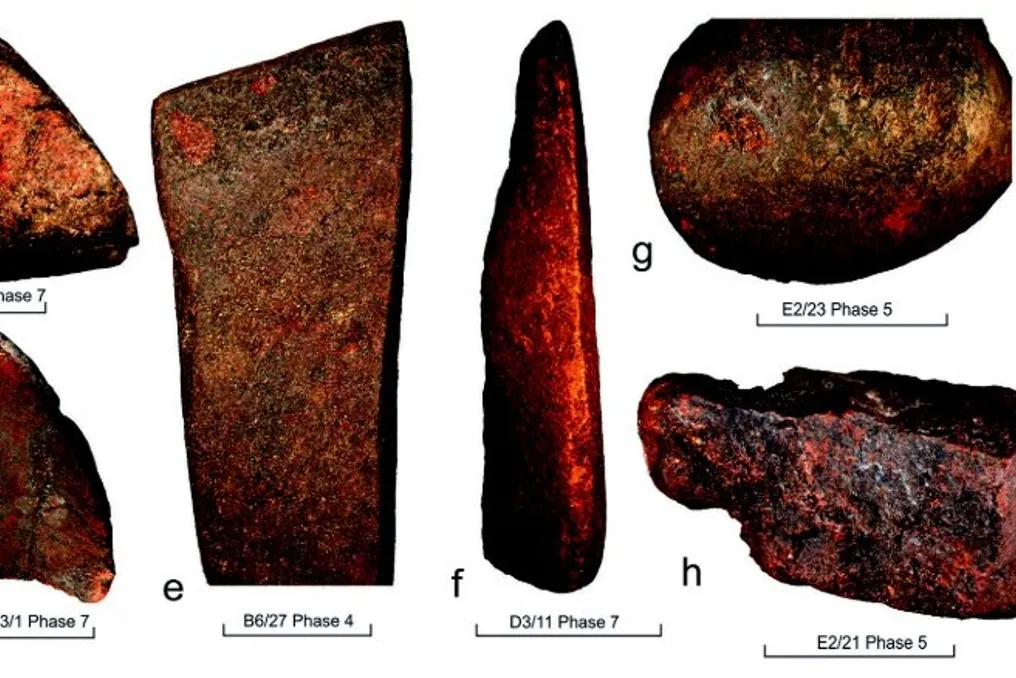
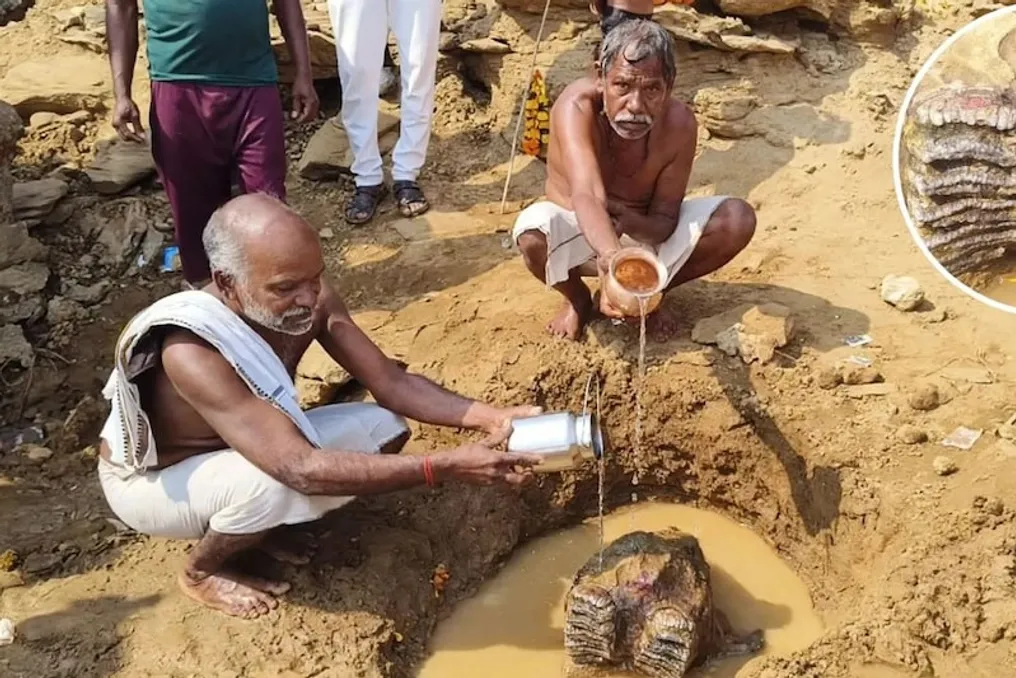
Scientists determine that an ancient shaman from the Magadan region is a descendant of the Pomor people
Read more
nplus1.ru

Scientists determine that an ancient shaman from the Magadan region is a descendant of the Pomor people

Russian researchers presented the results of studying a recently discovered burial containing the remains of an ancient shaman. This person lived in the 18th century on lands that are now part of the Magadan region.

Using genetic analysis performed on a tooth sample, scientists were able to isolate DNA and find out that the closest ancestors of this shaman belonged to different populations. It is assumed that through his paternal line he had roots among the inhabitants of the Russian North, while his maternal ancestors were related to the Koryaks and Evenks.

Data on these discoveries were published in the scientific journal 'Theory and Practice of Archaeological Research.'

Popular