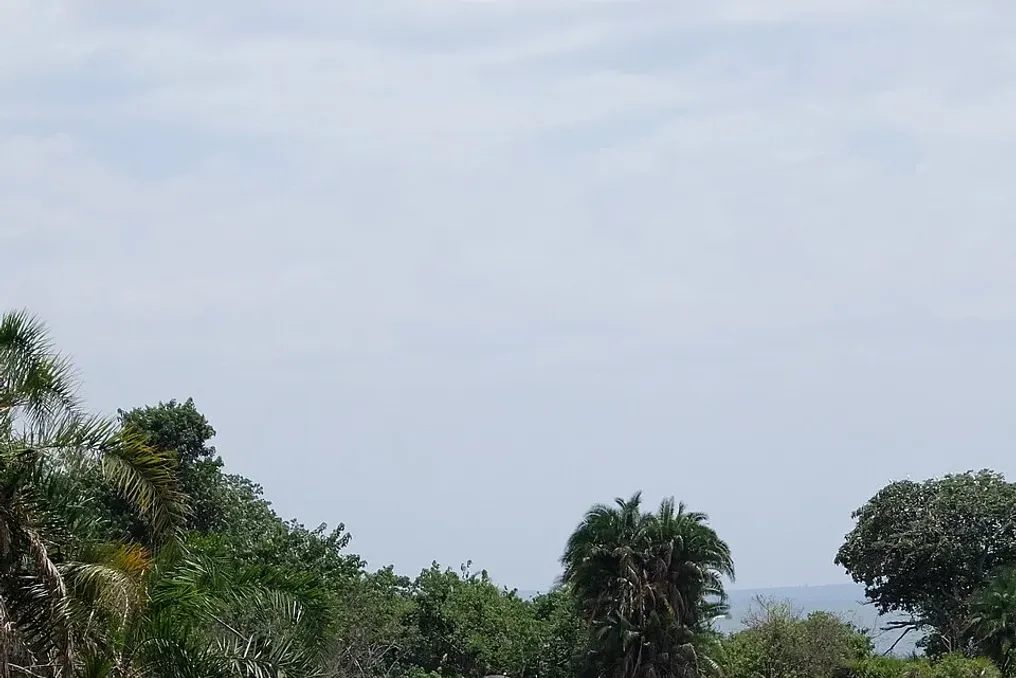
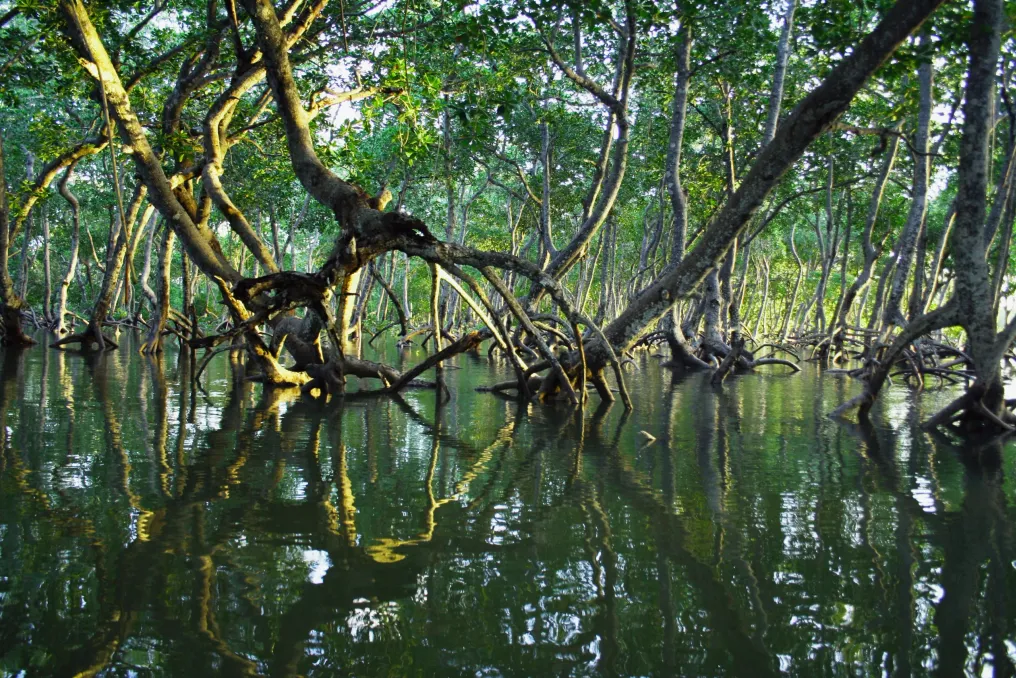
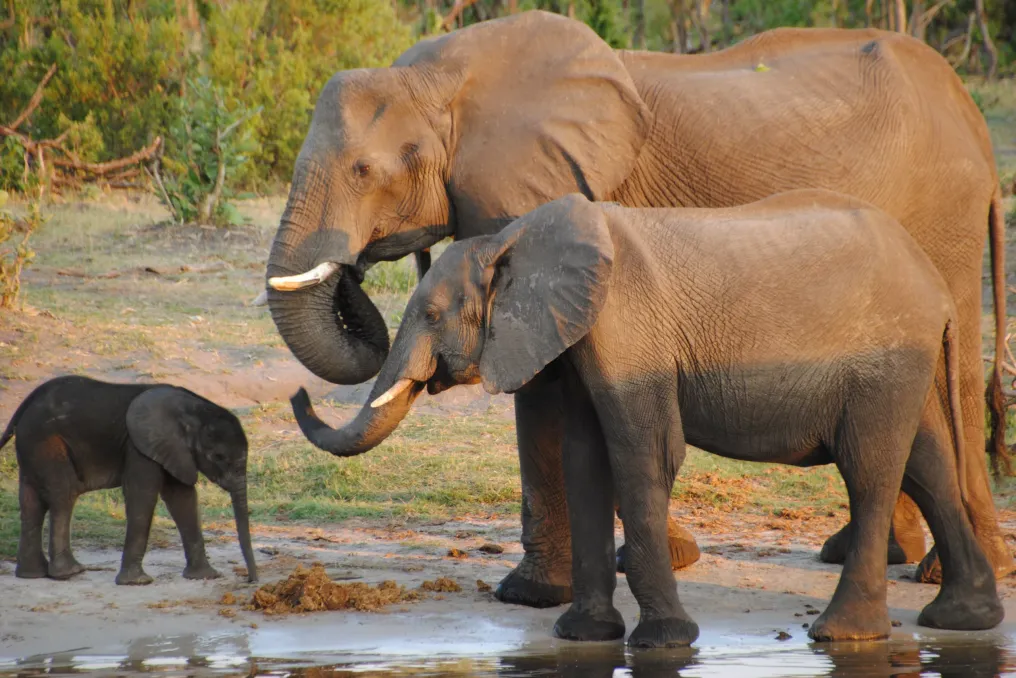
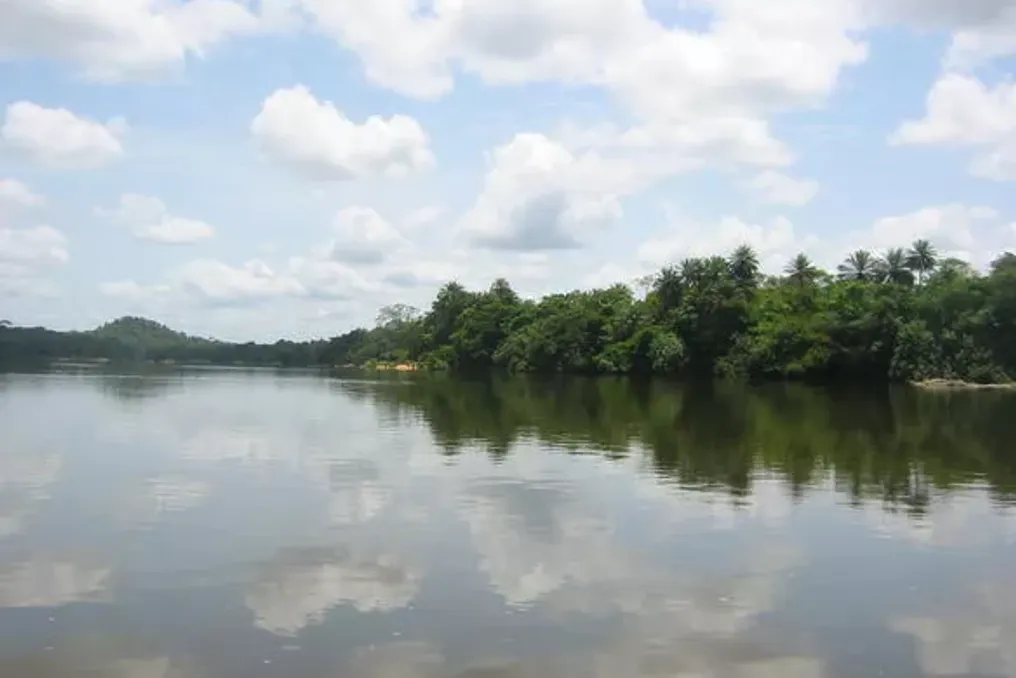
In northern Botswana, elephants roam ancient forests, lions patrol open grasslands, and seasonal watercourses dictate wildlife congregation points. Savuti is one of the most notable safari destinations within Chobe National Park.
This region is renowned for its impressive elephant populations, large prides of lions, and seasonal zebra migrations. The Savuti landscape is diverse, featuring open swamps, mopane woodlands, and the enigmatic Savuti Channel, creating a varied backdrop for wildlife viewing.
Of particular interest is the interplay between the fauna and the environment in this part of Botswana. Elephants modify vegetation by eating and knocking over trees, while water level fluctuations influence animal movement across the territory.
Geography and Ecosystem of Savuti
Located in the western part of Chobe National Park, Savuti is part of the broader Savuti-Mabwe-Linyanti ecosystem. Its landscape combines open grasslands, forest masses, seasonal wetlands, and sandy plains, supporting a high diversity of wildlife.
A distinctive feature is the Savuti Channel—a waterway that has alternated between full and dry states over decades. When water reaches the Savuti swamp, it transforms the surrounding scenery, attracting grazing animals and forming vital feeding grounds for birds.
The unpredictable nature of the channel has also left behind a striking landscape of dead trees along the banks, serving as a reminder of the drastic water level changes in this part of Botswana.
Wildlife and Activities
Elephants are among the most recognizable inhabitants of Savuti. Large herds and impressive bulls move through the region, feeding on grass, leaves, and tree bark. Their dietary habits and movements impact the surrounding vegetation, opening up forest areas and creating opportunities for other species.
The region is also known for its predators. Lions are a major attraction, as this area is particularly famous for its large prides. Leopards, cheetahs, spotted hyenas, and African wild dogs can also be encountered.
For visitors, safari tours offer the chance to observe these animals in their natural habitat. Early morning and late afternoon excursions are considered the most productive times, when temperatures are lower and animals are more active.
The surrounding grasslands also support zebras, giraffes, buffaloes, wildebeest, and various antelope species, making every trip a chance to see something new.
Seasonal Migration and Visiting Features
One of the most spectacular events in Savuti is the seasonal migration of zebras between the Linyanti region and the Mababe Depression grasslands. With the onset of the first summer rains, large herds move south in search of fresh grass. Their movement attracts predators, creating conditions for dramatic wildlife encounters.
The timing of the migration depends on rainfall, but it usually occurs around November and December, and as the dry season approaches, the animals return to the northern water sources. This seasonal spectacle interests photographers and wildlife enthusiasts wishing to visit Savuti during the warmer months.
Safari in Savuti is largely focused on exploring diverse habitats and observing wildlife. The main activity involves organized safari tours in open 4x4 vehicles, which transport visitors through swamps, forest trails, and surrounding plains. Experienced guides help identify animal tracks, interpret fauna behavior, and locate more elusive residents of the region.
Birdwatching is another enjoyable experience. The swamps and grasslands attract numerous local and migratory species, especially during the wet months. Raptors, waterfowl, and colorful summer migrants add to the region's appeal.
The Goha Hills are also an interesting landscape feature. These rocky outcrops rise above the surrounding plains and are associated with the ancient art of the San people. Visitors staying in suitable lodges can inquire about excursions to this area.
Photography is an integral part of the experience, whether capturing elephants in the forest, lions resting on the grass, or the changing colors of the swamps at sunset.
Travelers staying in private concessions bordering Chobe National Park can also access additional activities such as walking safaris and night drives. These activities are regulated by the rules and facilities of the specific concession and are not permitted in the Savuti national park section itself.
Savuti can be attractive year-round, although the experience varies by season. The dry season, typically from May to October, is popular for wildlife viewing as animals concentrate around remaining water sources and accessible watercourses. August to October can be particularly productive for elephant sightings, although temperatures rise towards the end of this period.
The wet season, from November to April, transforms the landscape with fresh grass, seasonal ponds, and greener vegetation. It is also an excellent time for birdwatching and seeing zebra migrations.
Travelers should note that rainfall can affect road conditions, especially on sandy and remote routes. Conditions also depend on whether the Savuti Channel is flowing, so it is advisable to check with accommodation providers before traveling.
Accommodation in Savuti ranges from public campsites to private safari camps and lodges. Options include tented and more traditional safari lodges, many of which offer organized safari tours, meals, and other activities as part of packages.
The region is remote, which is part of its appeal. Savuti can be reached by road, though the journey includes long stretches of sandy and sometimes difficult terrain. Self-driving requires a four-wheel-drive vehicle and experience traveling in remote areas.
Alternatively, visitors can arrange transfers via light aircraft from locations such as Kasane or Maun, organized through a chosen lodge or safari operator.
Savuti is also well-suited for inclusion in a broader Botswana safari, especially when combined with the Chobe Riverfront, Linyanti, or Okavango Delta. Savuti's appeal lies in the wonderful combination of wildlife, changing landscapes, and a sense of seclusion. From vast elephant herds and powerful predators to seasonal swamps and migrating zebras—the region offers a safari experience that changes with the environment.