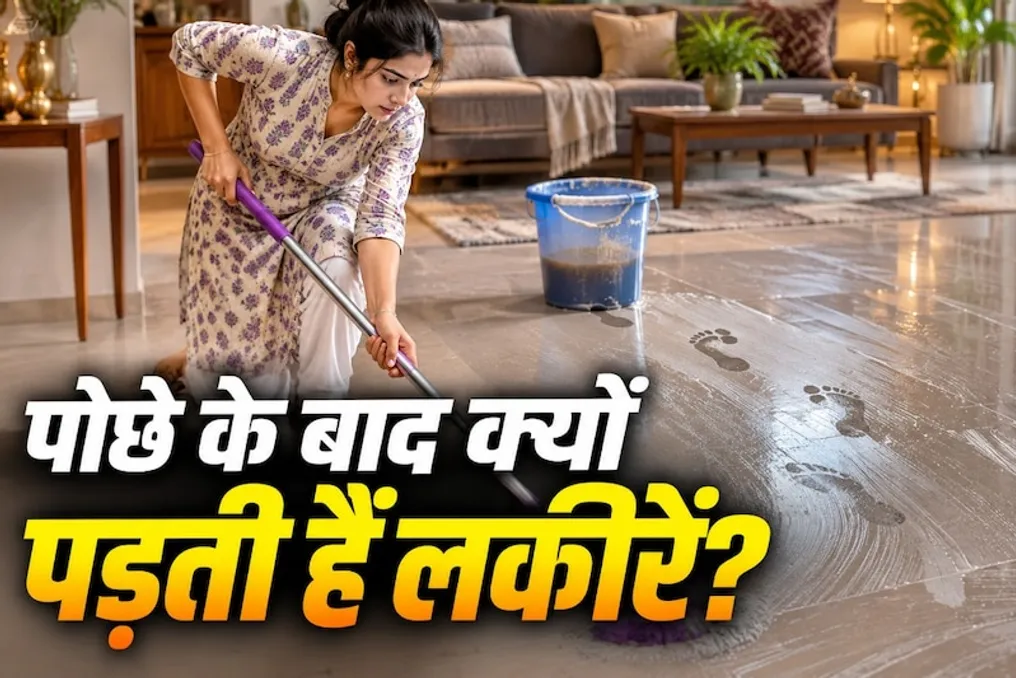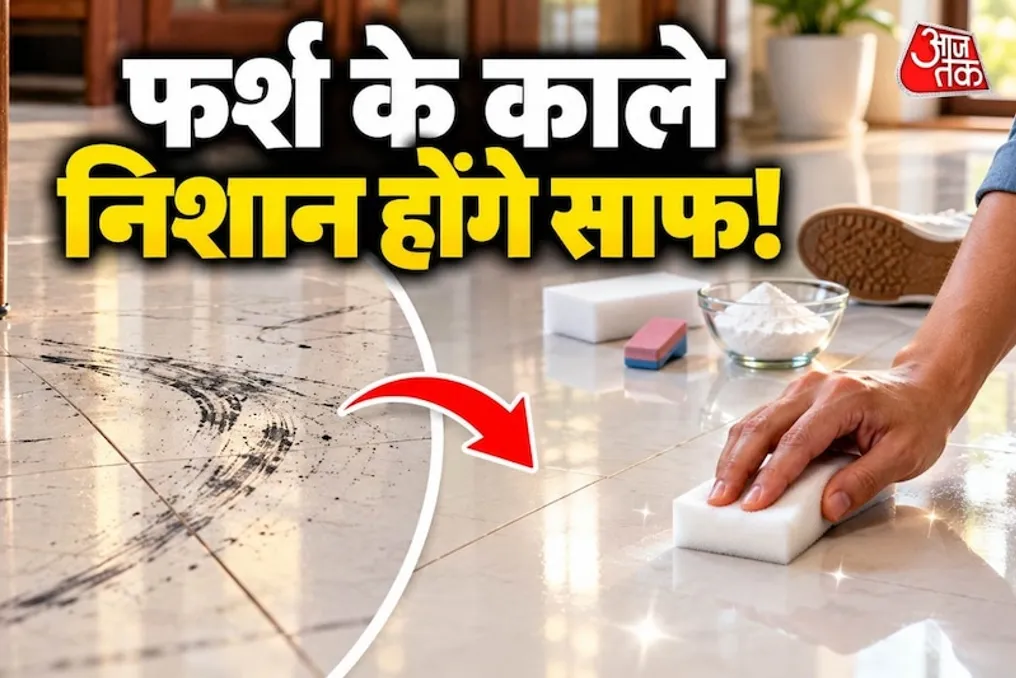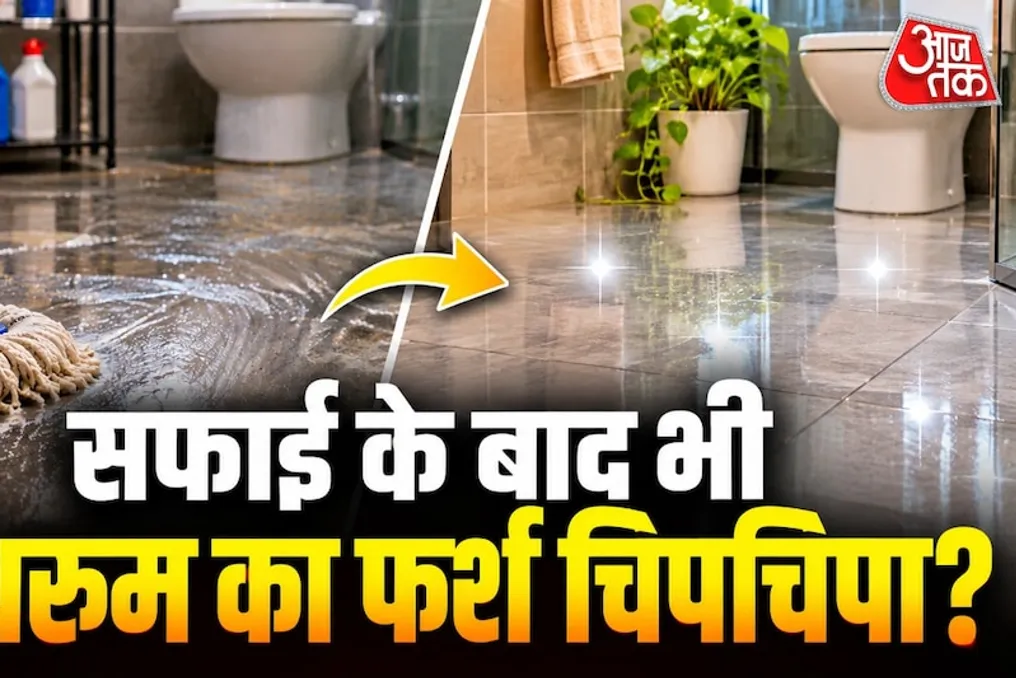
Even with regular household cleaning, whether it's mopping floors or cleaning kitchen tiles, some areas can remain dirty and sticky. The bathroom is one such place. People clean and sweep the bathroom daily using mops and cleaning agents, but the floor still doesn't shine.
If you feel stickiness when walking on the bathroom floor, the cause might not just be dirt. Often, a small mistake during cleaning becomes the source of this problem. The issue is that excessive use of soap, cleaning agents, or polishes can create a film on the floor that causes stickiness even after drying. However, this problem can be solved by paying attention to several simple points.
Firstly, many people believe that more cleaning agent will provide better cleanliness, but this is not true. An excess of cleaner can leave a layer on the floor that becomes sticky after drying. Therefore, you should always mix the cleaning agent in water according to the instructions on the bottle. If the floor is already sticky, it needs to be washed again with clean warm water.
Secondly, you should avoid using large amounts of soap. Some people add a lot of soap or dishwashing liquid to the water for mopping. Instead of cleaning the floor, this can lead to the formation of a soapy film, causing the floor to stick to your feet after drying. It is recommended to use soap in limited quantities; about one tablespoon of dishwashing liquid per bucket of water should be enough. After cleaning, be sure to wipe the floor with clean water.
Thirdly, polishes and waxes can also contribute to stickiness. Frequent application of these products creates multiple layers on the floor, to which dust and dirt adhere, making the floor dirty and sticky. Therefore, you should avoid applying polishes or waxes unnecessarily. When working with wooden floors, always use products suitable for that type of finish.
Furthermore, you cannot simply mop sticky areas. If oil, soap, or any greasy substance spills on the bathroom floor, you should not immediately wipe it up with a mop. This can spread the grease across the entire floor. It is better to first clean the area with a cloth dampened with warm water and a small amount of dishwashing liquid. Then wipe with clean water and remove moisture with a dry cloth.
It is also important to use vinegar correctly. Although some use vinegar to remove grease from the floor, it is not suitable for all types of surfaces. Vinegar should especially be avoided on natural stone, such as marble and granite, because its acidic composition can damage the shine and coating of the floor. Before use, ensure that the vinegar is safe for your type of floor.
Another reason for stickiness is a dirty mop and water. If you repeatedly mop the floor in the same dirty water, dust and dirt will settle on the floor again, and it will not look clean even after cleaning. Therefore, the water must be changed as soon as it gets dirty. Mops with sponges should be thoroughly rinsed and wrung out, and if disposable wipes are used, they should be changed regularly.
To prevent the bathroom floor from being sticky, it is necessary to remember these recommendations.